African Leaders and Youth Launch Mass Restoration Drive for International Day of Forests 2026
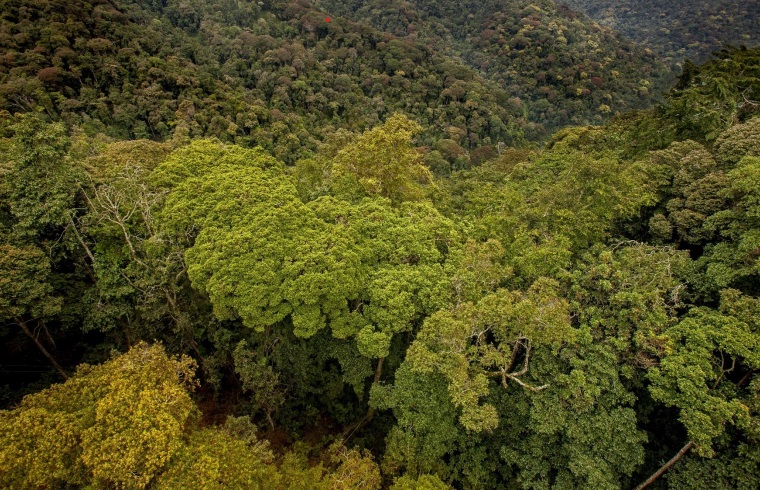
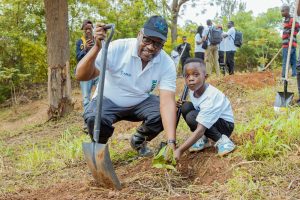
NAIROBI, Kenya – Across the African continent today, a sea of green took center stage as nations marked the International Day of Forests. Under the 2026 global theme, “Forests and Economies,” governments, environmentalists, and local communities launched massive tree-planting campaigns aimed at bridging the gap between ecological survival and economic prosperity.
From the rain-soaked Congo Basin to the arid landscapes of the Sahel, the message was clear: Africa’s forests are not just “lungs” for the planet, but the backbone of its future economy.
Economic Resilience Through Restoration
In Kenya, the focus was on the 15 Billion Tree Growing Programme. Highlighting the “Forests and Economies” theme, the Kenya Forest Service (KFS) emphasized that restoring the Mau Forest Complex is as much about water security for tea plantations and tourism as it is about biodiversity.
“We cannot have a thriving economy on a dying planet,” said a spokesperson for the Ministry of Environment. “Every seedling planted today is an investment in our agricultural stability and our carbon credit potential.”
Further south, Rwanda celebrated a milestone, announcing that over 43.6 million trees have been successfully planted during the 2025/2026 season. In the Eastern Province, farmers are increasingly turning to climate-resilient species like Calliandra, which provide livestock fodder while restoring soil health—a direct boost to local dairy and meat economies.
New Protections in the Congo Basin
The Central African region, home to the world’s second-largest rainforest, saw significant policy shifts. The Democratic Republic of Congo (DRC) utilized the day to highlight its newly promulgated Land Use Planning Law. This landmark legislation aims to curb the chaotic expansion of mining and agriculture that has long threatened the nation’s pristine canopy.
Meanwhile, Gabon reinforced its status as a “Green Superpower” by expanding its Payments for Environmental Services (PES) framework. This system ensures that rural communities receive direct financial incentives for keeping forests standing, turning conservation into a viable profession.
The Shadows: Mining and Deforestation
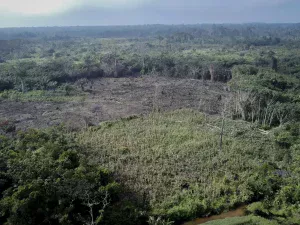
Despite the celebrations, the day served as a sobering reminder of the hurdles ahead. Reports from Ghana revealed a grim statistic: forest land lost to illegal mining (galamsey) has surged to over 9,000 hectares this year. Activists used the occasion to protest the “ecocide” of vital reserves, calling for stricter enforcement to protect the cocoa-growing regions that rely on forest-regulated rainfall.
The 2026 celebrations saw an unprecedented level of youth involvement. In cities like Lagos, Accra, and Addis Ababa, “Green Tech” hubs hosted workshops on using drone technology and AI to monitor reforestation projects.
The UN Food and Agriculture Organization (FAO) also launched its “4 WINS” initiative across several African nations, specifically targeting women’s leadership in forest-based businesses. The goal is to ensure that the $1.6 billion global forest economy directly benefits the rural African women who have historically been its primary stewards.
As the sun sets on International Day of Forests 2026, the continent looks toward a year of accountability. With Africa losing an average of 3 million hectares of forest annually, the success of today’s promises will be measured not by the number of seeds put in the ground, but by the number of trees that survive to see next year.

SUBSCRIBE TO OUR NEWSLETTER