Rwanda Strengthens Mental Health Support as Over 4,000 Trauma Cases Recorded During Kwibuka 31

Dr. Darius Gishoma, the Division Manager of the Mental Health Division at the Rwanda Biomedical Centre (RBC).
As Rwanda prepares to begin the 32nd commemoration of the 1994 Genocide against the Tutsi, health authorities have raised concern over the continued psychological impact of the tragedy, revealing that thousands still experience trauma symptoms each year during the remembrance period.
The Rwanda Biomedical Centre (RBC) announced that 4,192 people experienced trauma-related episodes during Kwibuka 31 in 2025, underscoring the enduring emotional toll nearly three decades after the genocide.
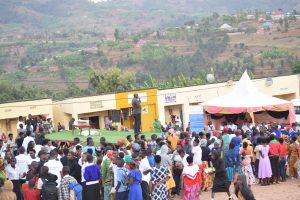
According to RBC, 2,666 individuals were affected at commemoration sites, while 1,526 others experienced symptoms from their homes and were later taken for treatment.
Speaking during a press briefing held on April 2, 2026, Dr. Darius Gishoma, head of the Mental Health Division at RBC, said trauma affects both survivors and younger generations born after the genocide.
“Even those who did not directly experience the genocide are affected,” he said, noting that 10 percent of those who experienced trauma last year were youth aged between 18 and 30, while 90 percent were above 31 years old.
He explained that the figures reflect a broader reality: trauma is not limited to commemoration events alone.
“If we take the example of Kwibuka 31, those affected at commemoration sites were 2,666, but we also received 1,526 people who developed symptoms from their homes during April,” he said. “This shows that the impact remains significant.”
However, Gishoma noted a gradual decline in cases over the years, pointing to progress in national healing efforts.
“Between 2010 and 2015, we would receive over 4,000 cases from commemoration sites alone. Today, we receive just over 2,000,” he said. “This shows the resilience of Rwandans, though the journey of healing continues.”
Health experts also warned about the link between trauma and existing medical conditions. In 2025, 1,755 of those affected had pre-existing illnesses, including heart disease, diabetes, cancer, and hypertension, which can worsen during emotional distress.
Authorities are now urging families and communities to play a more active role in supporting vulnerable individuals.
“We call upon families and neighbors to stay close to those who are prone to trauma during this period,” Gishoma said. “Visit them often and remind them they are not alone.”
RBC says it has strengthened preparedness for Kwibuka 32 by coordinating mental health services across all levels of healthcare, ensuring that trained professionals are available both at commemoration sites and in health facilities. Support will include not only clinical care but also counseling and community-based interventions.

Dr. Chaste Uwihoreye, a trauma healing expert, highlighted that young people are increasingly affected due to identity-related questions.
“Young people are naturally curious, especially about their family history,” she said. “Some seek to understand what happened to their relatives, but in the process, they may encounter painful information that becomes overwhelming.”
He emphasized that such individuals also receive psychological support to help them process the country’s history in a healthy way.
Meanwhile, Julienne Murorunkwere from AVEGA Agahozo said community-based initiatives, including dialogue sessions among genocide widows, have played a key role in reducing trauma during commemoration periods.

“These discussions help strengthen members and have shown positive results over time,” she said, though she noted that limited resources remain a challenge, particularly in improving housing conditions for vulnerable survivors.
RBC has also called on the public to avoid behaviors that may trigger trauma among survivors and to ensure that those affected receive timely and appropriate care.
As Rwanda enters the 100-day commemoration period starting April 7, officials stress that while progress in healing is evident, sustained support and collective responsibility remain critical to helping survivors and communities cope with the lasting scars of the genocide.


About The Author


SUBSCRIBE TO OUR NEWSLETTER