Senegal’s President Fires Prime Minister Ousmane Sonko, Dissolves Government Amid Deepening Rift
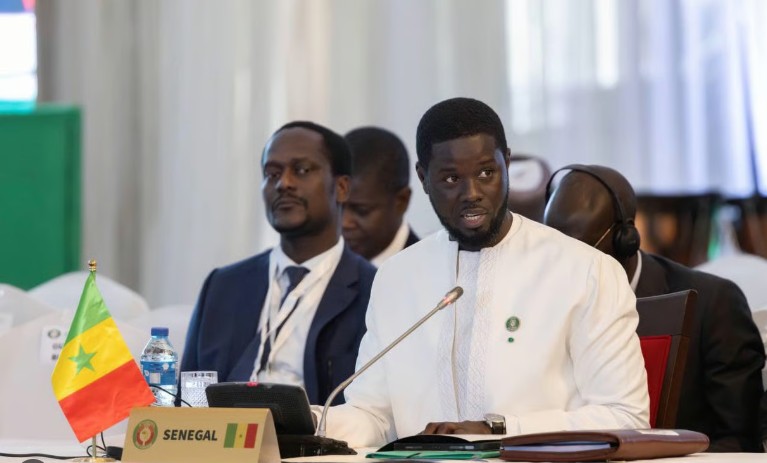
Dakar, Senegal — In a dramatic political shake-up, President Bassirou Diomaye Faye has dismissed Prime Minister Ousmane Sonko and dissolved the entire government, ending a once-unbreakable alliance that propelled the reformist PASTEF movement to power in 2024.
The decision was announced late Friday evening, May 22, 2026, via a presidential decree read on state television by the secretary general of the government, Oumar Samba Ba. The decree terminates Sonko’s functions as prime minister and dismisses all ministers, with the outgoing government instructed to handle day-to-day affairs until a new cabinet is formed.
From Allies to Rivals
Faye and Sonko rose to prominence together as key figures in the opposition against former President Macky Sall. After Sonko was disqualified from the 2024 presidential race due to legal issues, he threw his full support behind Faye under the popular slogan “Diomaye mooy Sonko” (“Diomaye is Sonko”). Faye won a decisive victory in March 2024, becoming Senegal’s youngest president, and promptly appointed Sonko as prime minister.
Their partnership symbolized a new era of “rupture” with the past — promising anti-corruption measures, economic sovereignty, and youth empowerment. However, simmering tensions over policy direction, economic challenges, and internal party control had been building for months.Recent reports highlighted disagreements over handling Senegal’s debt crisis, stalled IMF negotiations, and differing visions for governance. Sonko, known for his fiery populist style, had grown increasingly vocal in criticizing perceived weaknesses in the administration, while Faye sought to assert presidential authority.
Reactions and Immediate Fallout
Sonko responded calmly from his residence in Dakar. In a brief statement, he said he would “sleep with a light heart,” signaling acceptance of the decision while maintaining dignity.
Supporters of the prime minister expressed disappointment, with small protests reported near universities and among youth groups in Dakar. Online reactions among PASTEF loyalists are divided, with some accusing Faye of betrayal and others viewing the move as necessary for stability.
Political analysts warn that the rift could destabilize the ruling coalition ahead of future elections in 2029 and complicate efforts to secure international financial support amid economic pressures.
What’s Next?
President Faye is expected to name a new prime minister and cabinet in the coming days. The move comes as Senegal prepares to host the 2026 Youth Olympic Games in Dakar and navigates broader regional challenges in West Africa.This unexpected development marks a significant turning point for Senegal’s young democracy, testing the resilience of institutions that have long been praised as among the most stable in the region. Further updates will depend on how the PASTEF party navigates the fracture and whether the transition remains peaceful. This article is based on reports from the Associated Press, Reuters, and local Senegalese sources as of May 23, 2026.
About The Author


SUBSCRIBE TO OUR NEWSLETTER