Countries Commit to Expanding Precision Medicine Access Worldwide
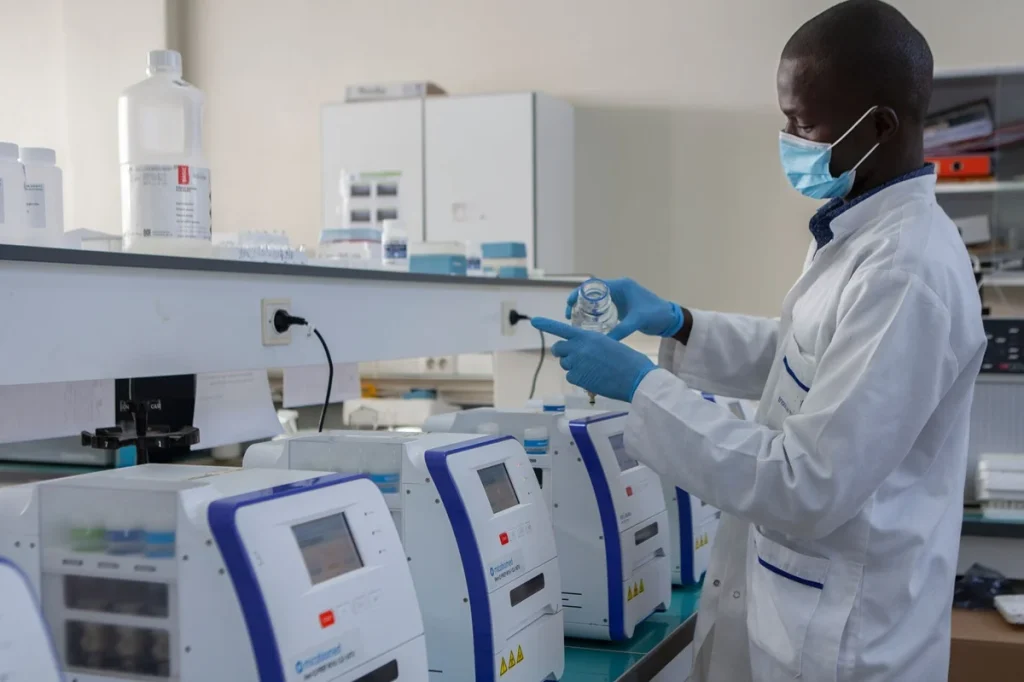
Member States attending the Seventy-ninth World Health Assembly have endorsed a new resolution on precision medicine, marking a major step toward integrating personalized healthcare into national health systems while ensuring equitable access to emerging medical innovations.
The resolution, titled Precision medicine: a path towards targeted, personalized and equitable care, seeks to strengthen health systems through the responsible use of clinical, molecular, genomic and other health data to improve disease prevention, diagnosis and treatment.
Precision medicine tailors healthcare interventions to individual characteristics and biological differences while incorporating ethical and legal safeguards. Health experts say the approach has the potential to improve outcomes across a wide range of diseases and stages of life, including cancer, rare diseases, infectious diseases, maternal and child health, mental health, and noncommunicable diseases.
The adoption of the resolution comes amid rapid advances in genomics, diagnostics, data science and digital health technologies. However, the World Health Organization (WHO) warned that access to these innovations remains highly unequal, with many low- and middle-income countries still lacking adequate representation in medical research and health data systems.
According to WHO, the imbalance risks widening global health disparities if urgent action is not taken to ensure broader and fairer access to precision medicine technologies.
“Precision medicine is not an aspirational idea for health delivery in the future – it is already transforming lives across the world. But its benefits remain out of reach for too many and the research driving progress is concentrated in high-income countries,” said Dr Meg Doherty.
She added that the resolution provides global health leaders, ministries of health and WHO with a clear mandate to expand access to innovations ranging from infant screening programmes to genomic databases.
Under the resolution, Member States committed to strengthening national policies, infrastructure, workforce capacity and governance systems to support the safe, ethical and equitable integration of precision medicine into healthcare systems in line with universal health coverage goals.
The commitments also include improving affordability, promoting inclusive research and data systems, enhancing regulatory frameworks and data governance, and encouraging collaboration across countries and sectors.
WHO has been tasked with providing technical and normative support to countries, coordinating existing guidance and facilitating regional and global collaboration. The organization will also develop a Global Strategy on Precision Medicine aimed at guiding equitable and context-appropriate implementation worldwide.
As part of immediate next steps, WHO plans to map existing guidance and frameworks and conduct extensive consultations with stakeholders globally. The organization also intends to support countries through tools such as a maturity model that will help governments assess their readiness and capacity to implement precision medicine based on national contexts.
WHO Chief Scientist Dr Sylvie Briand said the resolution places people-centered healthcare and innovation at the heart of future medical progress.
“By uniting people-centered healthcare with innovation, precision medicine has the potential to transform lives. This resolution helps ensure those advances serve the shared goal of health for all,” she said.
About The Author


SUBSCRIBE TO OUR NEWSLETTER