Rwanda School Feeding Program Aims to Curb Malnutrition by Tapping into Local Farmers
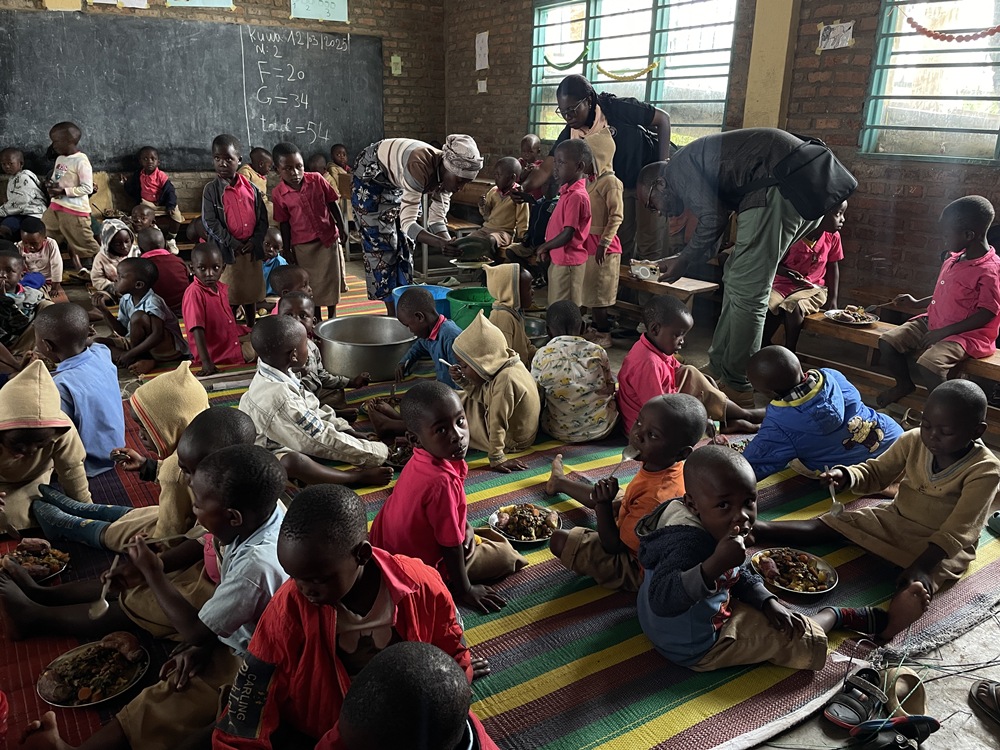
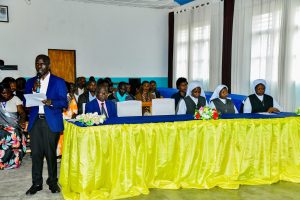
Photo credit: Food Systems Transformation through School Feeding Programme, University of Rwanda
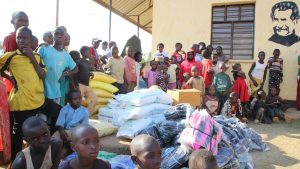
KIGALI, RWANDA—Rwanda is leveraging its national school feeding program, which provides meals to nearly 4.8 million students, as a dual-pronged strategy to enhance child nutrition and drive local economic transformation.
While the ambitious program is one of the country’s largest investments in child wellbeing, officials are now sharpening their focus on improving meal quality and strengthening sourcing ties with local agricultural systems to combat persistent malnutrition.
Despite the school meals providing an estimated 35 to 40% of students’ daily nutritional intake requirements, approximately one-third of children in Rwanda continue to be affected by malnutrition, according to Sam Ngabire, National Coordinator of the Home-Grown School Feeding Project for the Ministry of Education.
This ongoing challenge is shifting the program’s focus from simply expanding meal access to incorporating more diverse, micronutrient-rich foods and formalizing connections between schools and farmers.Research for Stronger Meals
A University of Rwanda-led research initiative, spanning 43 schools, is actively working to integrate nutrient-dense crops into school menus through school farm trials and local supply chains. Crops under investigation include iron-rich beans, pro-vitamin A maize, orange-fleshed sweet potato, carrots, and red amaranths.
“We needed to come up with an approach that’s connecting agriculture, nutrition and market at the same time,” explained Dr. Manirere, the research lead for the project.
The educational benefits of the feeding program are already clear. Brother Pierre, Headteacher at GS Jean de la Mennais school in Burera District, reported a 25% reduction in absenteeism and noted improvements in classroom engagement. He reflected that the initiative, “What was once seen as a simple feeding is now recognized as a driver of education, nutrition and economic development,”.Home-Grown Success Stories
Several organizations are demonstrating successful “farm to plate” models that diversify school meals while boosting farmer livelihoods.
- Solid’Africa procures food directly from over 7,000 local farmers. Through advance purchasing agreements, participating farmers have experienced income increases averaging 61%. The organization operates two centralized kitchens, distributing 17 different ingredients—including vegetables, beans, and fortified maize—to serve approximately 30,000 children daily, in addition to 130,000 hospital patients annually. Founder and President Isabelle Kamariza noted that efficiency and early coordination with farmers are essential for making nutritious meals affordable at scale. “The food is not expensive. It is a matter of partnering with local farmers early on in the procurement process to figure out how to lock-in prices at scale,” Kamariza said.
- Gardens for Health International (GHI) supports school feeding activities across 180 schools. The organization integrates school gardens linked to feeding programmes, which contribute about 60 to 80% of the vegetables used in school meals, according to Executive Director Esther Mukundane. These gardens also serve as hands-on learning spaces, and GHI has trained thousands of community members, leaders, and teachers to extend nutrition and agriculture awareness beyond the schools and into households.
A Push for Collaboration
To formalize best practices and ensure continued progress, the new Rwanda Community of Policy & Practice (CoPP) has been launched. The platform is designed to strengthen collaboration and shared learning among the many initiatives operating across the country.
Nicole Umuhoza of the University of Rwanda stressed the need for unified efforts. “Let’s join forces and close this gap because we really believe that school feeding can be a channel to food system transformation for Rwanda,” she emphasized.
About The Author


SUBSCRIBE TO OUR NEWSLETTER