EAC Chief Urges Removal of Border Bottlenecks to Boost Regional Trade
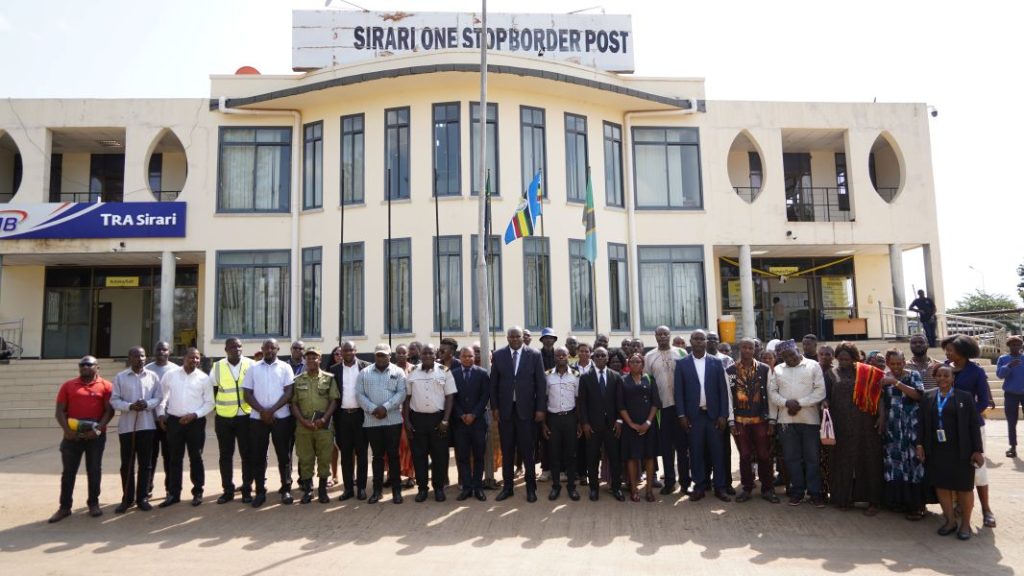
The Secretary General of the East African Community (EAC), Amb. Stephen P. Mbundi, has called on Partner States to eliminate domestic administrative bottlenecks that continue to hinder cross-border trade, saying the move is essential if the bloc is to achieve its target of increasing intra-EAC trade to 50 per cent by 2030.
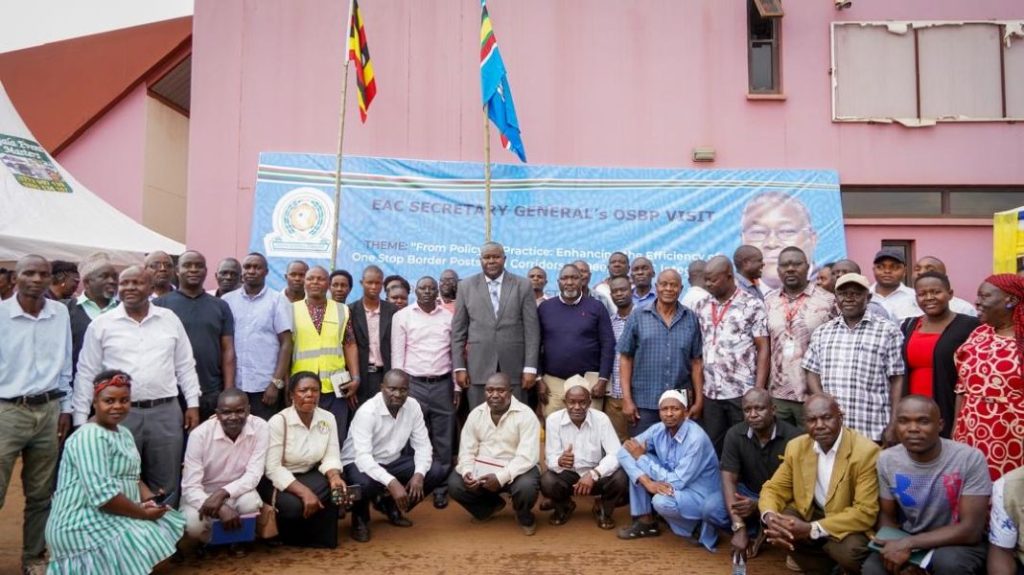
Mbundi made the remarks during a high-level implementation mission to the Sirari-Isebania (Tanzania-Kenya) and Busia-Busia (Kenya-Uganda) One Stop Border Posts (OSBPs) held on July 4 and 6, 2026. The visit marked his first official assessment of regional border operations since assuming office.
Conducted under the theme “From Policy to Practice: Enhancing the Efficiency of One Stop Border Posts and Corridors to Deepen EAC Integration,” the mission evaluated the implementation of regional trade facilitation programmes and identified measures to improve the movement of goods, services and people across the region.
During the visit, Mbundi toured border facilities, inspected cargo clearance operations and met government officials, customs and immigration authorities, transporters, freight forwarders, traders, business associations and local communities.

He said the EAC’s flagship trade facilitation initiatives, including the One Stop Border Post concept, Coordinated Border Management, the Single Customs Territory and the EAC Customs Bond, have significantly improved border operations by reducing clearance times, lowering transaction costs and simplifying customs procedures.
At the Sirari-Isebania border, officials reported growing trade volumes, which Mbundi said reflected increasing confidence in regional trade facilitation measures. He also highlighted the border’s strategic importance in linking the Maasai Mara and Serengeti ecosystems, noting that efficient border management could strengthen East Africa’s position as a single tourism destination.
At the Busia border, one of the region’s busiest crossings, he observed that efficient border operations support thousands of traders, transporters and service providers, including persons with disabilities, while contributing to job creation and regional economic growth.
Despite the progress, stakeholders identified several persistent challenges, including inadequate border infrastructure, the lack of modern cargo scanners, congestion, inconsistent implementation of 24-hour border operations, overlapping regulatory procedures, domestic taxes that increase business costs and slow integration of digital systems.
Cross-border traders, particularly women and youth, also called for greater awareness of the Simplified Trade Regime, easier access to trade information and stronger support to help small businesses transition into formal regional trade.
Mbundi said the next phase of regional integration should focus on eliminating non-tariff barriers, harmonising domestic regulations and accelerating digital integration among customs, immigration and other government agencies.
He also urged businesses to view the EAC as a single market rather than separate national economies and directed the EAC Secretariat to work with Partner States on strengthening border management, expanding infrastructure and improving trade facilitation.
“The success of East African integration will not be measured by the number of agreements we conclude. It will be measured by how easily our people trade, travel, invest and create opportunities across the region,” Mbundi said.
He added that similar assessment missions will be conducted at other One Stop Border Posts as the Community works towards its 2030 regional trade target.

About The Author


SUBSCRIBE TO OUR NEWSLETTER