Modern Irrigation Technology Transforms Fruit Farming in Gisagara District
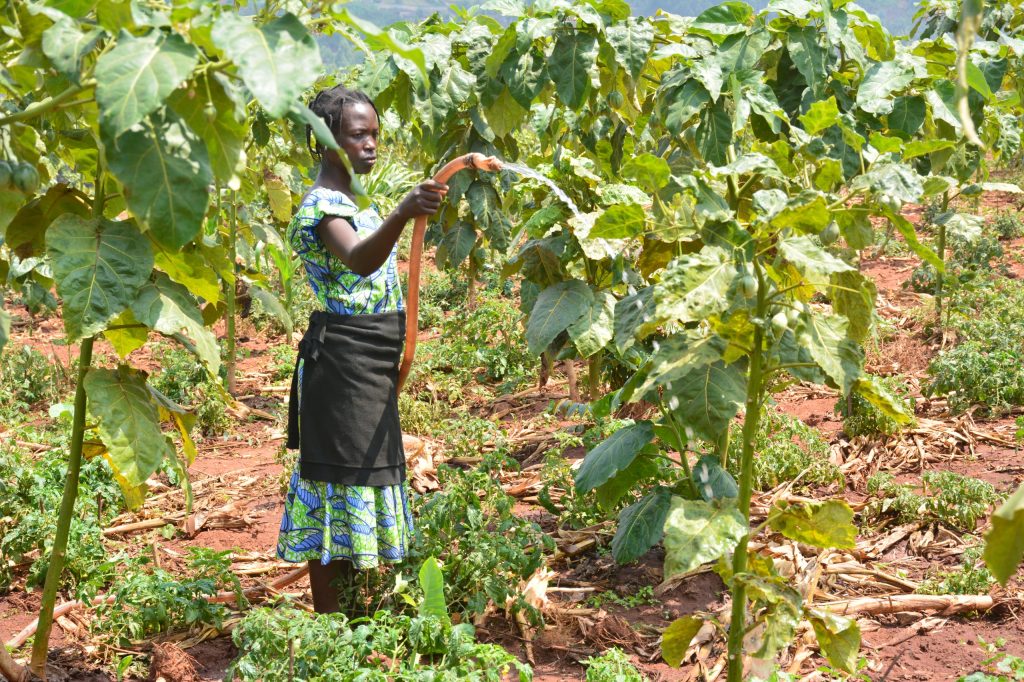
GISAGARA, Rwanda – Modern irrigation technology is helping unlock the potential of commercial fruit farming in Gisagara District, creating new opportunities for agricultural production, employment, practical education and sustainable economic development.
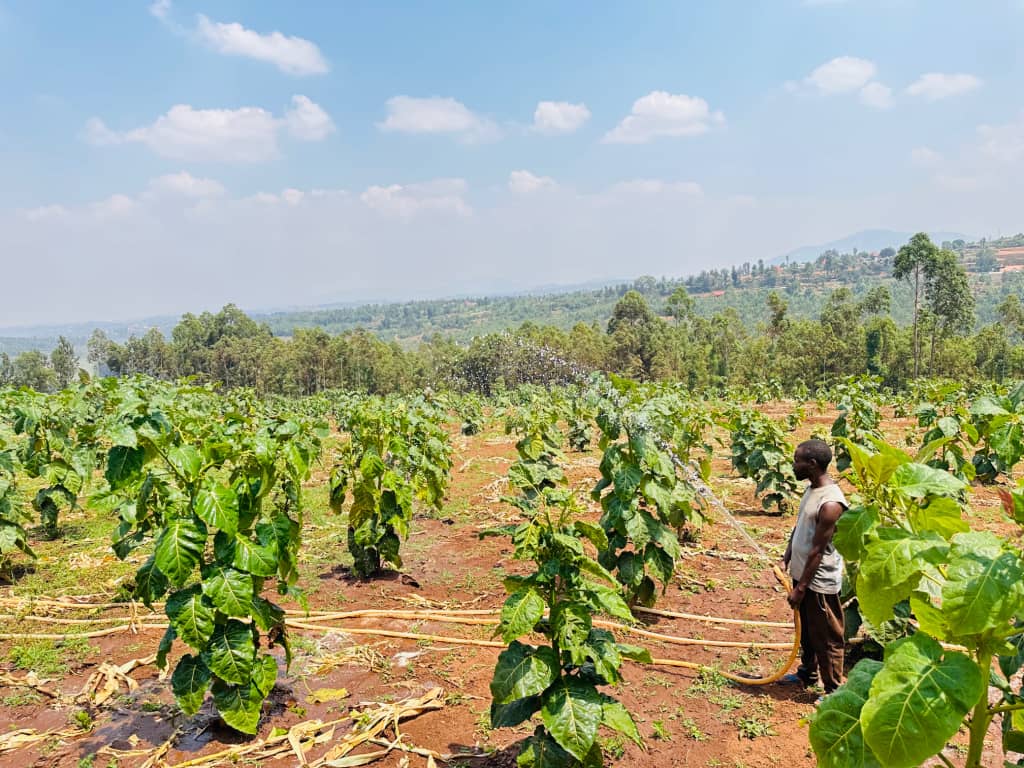
One of the notable examples is a 10-hectare fruit plantation at the Catholic University of Rwanda (CUR) in Save Sector, where previously underutilized land has been transformed into a productive agricultural investment through irrigation, innovation and modern farming practices.
The plantation benefited from the Small-Scale Irrigation Technologies (SSIT) programme under the Sustainable Agricultural Intensification and Food Security Project Phase II (SAIP II), which supports farmers and institutions to access modern irrigation systems and strengthen climate-resilient agriculture.
The plantation currently hosts approximately 16,000 tree tomato plants and 5,000 passion fruit vines, creating a promising foundation for commercial fruit production.
Turning Underutilized Land into a Productive Farm
The project demonstrates how reliable access to water can help institutions and farmers overcome one of the major constraints to agricultural production and turn available land into productive enterprises.
Under the SSIT programme, beneficiaries cultivating between 0.5 and 10 hectares can receive support to acquire irrigation equipment. Farmers cultivating between 0.5 and 5 hectares are supported with diesel-powered irrigation systems, while those cultivating between 5 and 10 hectares qualify for solar-powered systems.
Beneficiaries are required to have farmland located near a reliable water source and contribute part of the cost of the irrigation equipment through a cost-sharing arrangement.
As a beneficiary cultivating 10 hectares, the Catholic University of Rwanda received a solar-powered irrigation system, including installation. The investment was valued at approximately RWF 96 million, with the university contributing about RWF 24 million and the programme financing approximately RWF 72 million.
The availability of irrigation water has improved the management of the plantation by ensuring that crops receive sufficient water throughout their growth cycle, creating better conditions for commercial fruit production.
An Investment in Education and Agriculture
For the Catholic University of Rwanda, the plantation is not only an agricultural enterprise but also an opportunity to strengthen practical education.
Ndayishimiye Jean Damascene, Chief Accountant at the university, said the investment requires proper management and protection because of its importance to the institution’s development.
“This is a major investment that required substantial financial resources. We have a responsibility to protect and maintain it because it will contribute significantly to the development of the university.”
The plantation is also expected to provide practical learning opportunities for students studying food processing and value addition.
“Our students will benefit greatly from this plantation because we have already acquired fruit-processing equipment that will allow them to gain practical skills in adding value to agricultural products.”
The combination of fruit production and processing therefore allows students to gain experience across the agricultural value chain—from production and harvesting to processing and value addition.
Creating Jobs for the Community
The investment is also generating employment for surrounding communities.
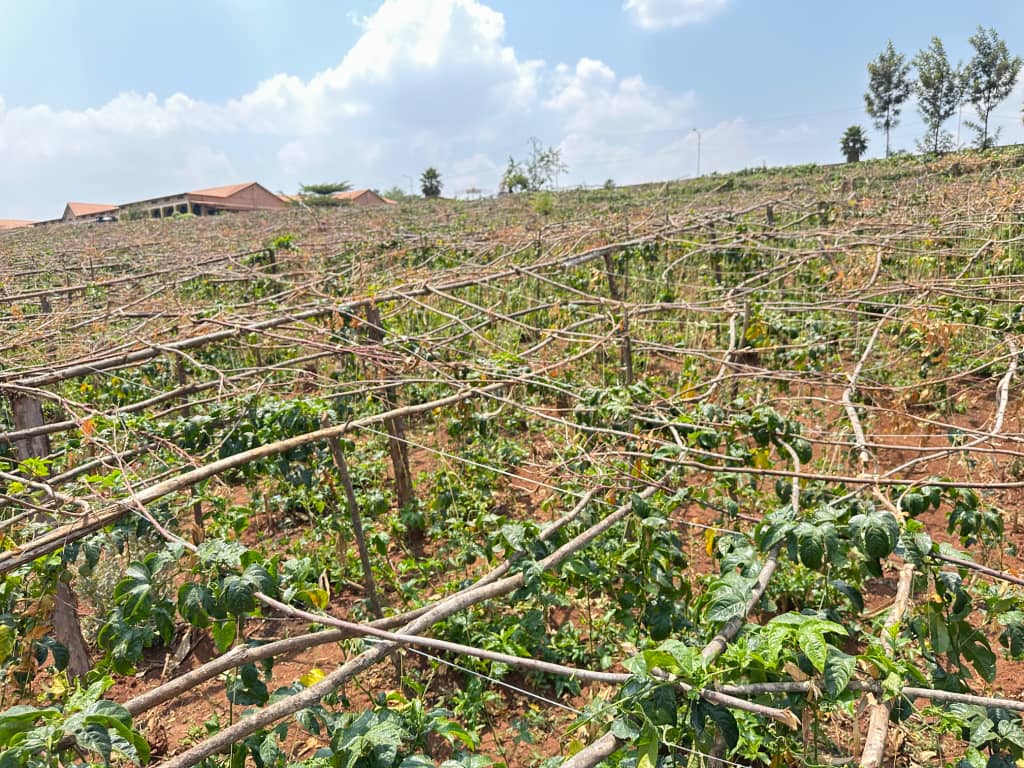
Approximately 80 people are involved in different activities at the plantation, including land preparation, crop maintenance, irrigation, harvesting and orchard management.
Among them is Dorcella Niyitanga, a resident of Shyanda Cell in Gisagara District, who has worked at the plantation for two months.
Niyitanga participates in daily farm activities, including watering and maintaining the fruit crops. She says the opportunity has provided her with an income while giving her new agricultural skills.
“Before I came here, I did not have a job. Getting this opportunity has helped me improve my life. So far, I have managed to buy two pigs, and I hope they will reproduce and help me increase my livestock.”
She also sees the experience as an investment in her own future.
“The knowledge I am gaining here will also help me when I eventually start farming on my own land because I am learning how to care for fruit crops and manage agricultural activities.”
Irrigation Unlocks Production Potential
According to Ntihabose Cleophas, the farm’s Agronomist, the land was not being used for commercial agricultural production before the plantation was established.
“Before 2024, this land was not being used for commercial agriculture. We first cleared the existing forest to establish the fruit plantation. However, one of our biggest challenges was finding a reliable way to provide water to the crops.”
Although water was available from the nearby Rwasave marshland, the university faced financial challenges in developing the infrastructure needed to transport it to the plantation.
“The water source was available, but transporting water from the Rwasave marshland to the farm, which is between one and one-and-a-half kilometers away, required expensive equipment. We were fortunate to become beneficiaries of the irrigation support programme, which enabled us to access the appropriate irrigation system.”
The introduction of the irrigation system has since changed how the plantation is managed.
“After receiving the irrigation equipment, we were able to provide proper care to the plantation. From the first passion fruit harvest, we obtained approximately 1.2 tonnes, and the vines are still producing.”
Ntihabose expects production to increase as the plantation matures.
Passion fruit vines can remain productive for several years, while the tree tomato plantation is yet to reach full maturity, raising expectations of increased production in the coming seasons.
From Production to Value Addition
The plantation’s potential extends beyond the sale of fresh fruit.
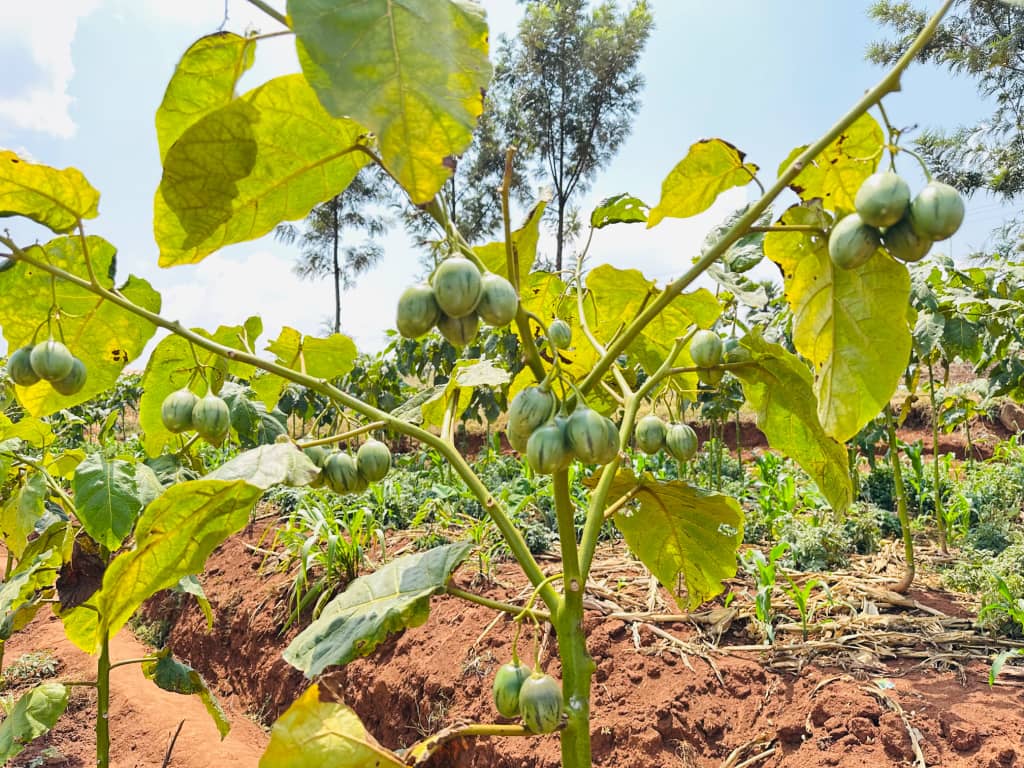
By connecting production with food processing and value addition, the project creates opportunities to transform fruits into higher-value products while reducing post-harvest losses.
For students, this provides a practical environment to understand the full agricultural value chain and develop skills that can be applied in their future careers or businesses.
The experience also demonstrates how irrigation investment can generate benefits beyond crop yields—supporting employment, skills development, entrepreneurship and institutional investment.
The transformation of the Catholic University of Rwanda’s plantation shows how access to reliable water can unlock agricultural potential. What was previously underutilized land is becoming a productive fruit farm that combines commercial agriculture, practical education and community employment.
The Sustainable Agricultural Intensification and Food Security Project Phase II (SAIP II) is implemented by the Rwanda Agriculture and Animal Resources Development Board (RAB) through the Single Project Implementation Unit (SPIU-RAB), with funding from the Global Agriculture and Food Security Program (GAFSP) through the World Bank’s International Development Association (IDA).
The project focuses on increasing agricultural productivity, improving market access, strengthening food security and promoting sustainable agricultural practices through irrigation development, capacity building, value addition and market linkages.
About The Author


SUBSCRIBE TO OUR NEWSLETTER