No Farmer Left Behind: Kilimo Trust Pushes for Risk-Free Transition to Regenerative Agriculture
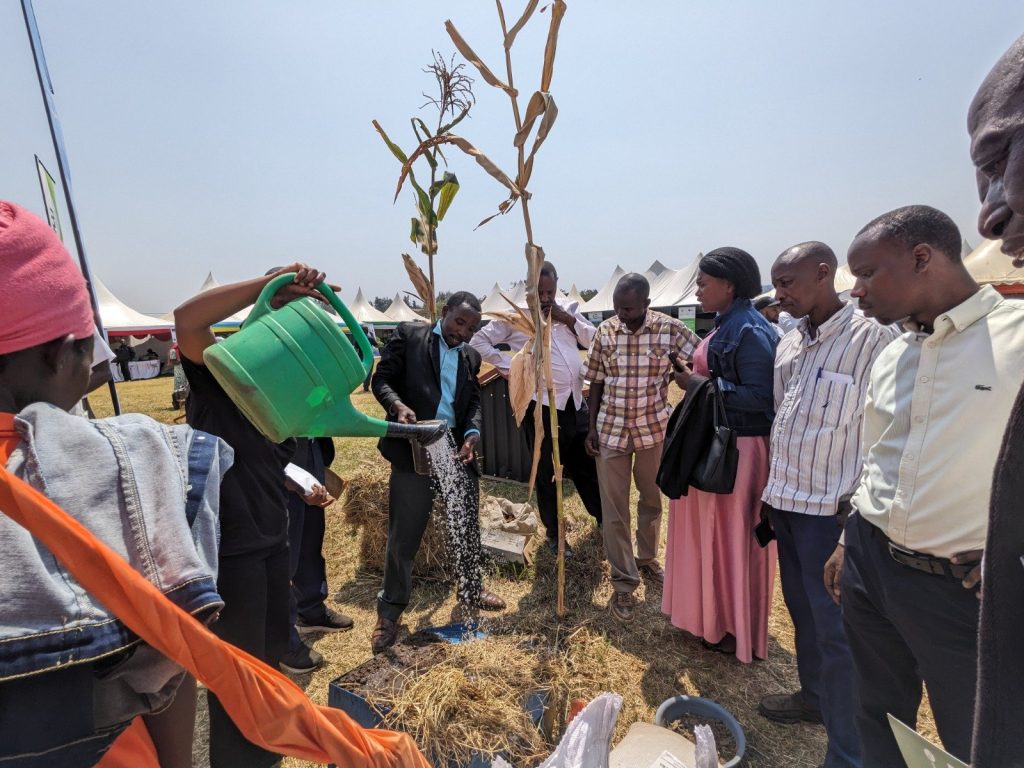
KIGALI, RWANDA – Smallholder farmers across Rwanda are transitioning to sustainable farming methods with a dedicated safety net, ensuring they do not face financial losses or technical confusion during the transition journey.
At the recently concluded Rwanda Agricultural Show at the Mulindi Expo Ground, consortium partners gave attendees a firsthand look at how the Power for Food Partnership (P4FP) is moving from concept to field reality.
The five-year, €45 million initiative funded by the IKEA Foundation and spearheaded globally by SNV is being rolled out locally, with Kilimo Trust Rwanda driving the critical “LINK” pathway.
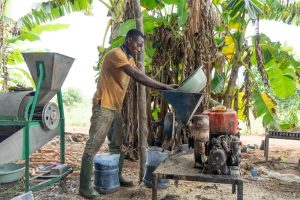
This strategy focuses on connecting smallholder farmers with Productive Use of Renewable Energy (PURE) technologies and Regenerative Agriculture (RA) practices.
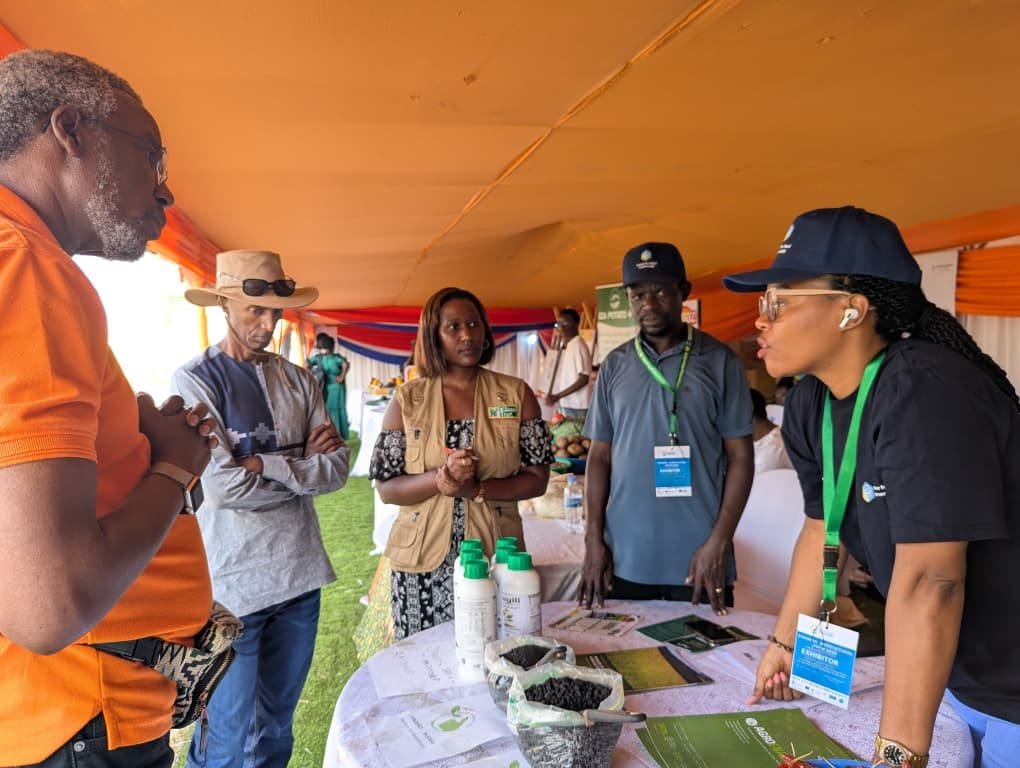
At the exhibition, Kilimo Trust detailed the intensive, step-by-step support system designed to guide rural producers through the adoption of soil restoration practices without jeopardizing their current livelihoods.
“Moving into regenerative agriculture can feel like an uncertain journey for a farmer, which is why our focus is on providing continuous, hands-on support so they do not feel lost or take on unnecessary financial risks,” explained Kiiza Donatha, Dissemination Expert at Kilimo Trust, during an interview at the Mulindi stand.
“We are establishing active demonstration sites and field networks to show farmers exactly how to blend solar-powered tools with soil health techniques, giving them the confidence and specialized training needed to secure high-value yields safely.”
The project targets key districts including Nyagatare, Rwamagana, Kayonza, Bugesera, Rubavu, and Rutsiro, where Kilimo Trust is actively structuring commercial networks to link farmer cooperatives directly to stable markets and national school feeding programs.
By pairing continuous agronomic mentorship with modern renewable energy tools, the partnership intends to establish sustainable agri-food chains that safeguard both the soil and the farmer’s pocket.
About The Author


SUBSCRIBE TO OUR NEWSLETTER