Rwanda’s Circular Food Systems Project Concludes After Five Years of Supporting Green Businesses
KIGALI, Rwanda — The Circular Food Systems for Rwanda (CIRF) project has officially concluded after five years of supporting circular economy solutions, sustainable businesses, and green job opportunities within Rwanda’s food systems.
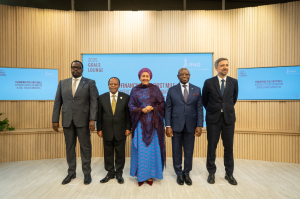
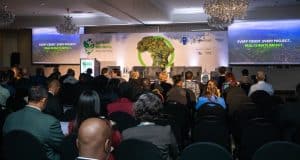
The project was closed on September 3, 2026, on the margins of the Africa Food Systems Forum 2026 in Kigali. It was supported by the IKEA Foundation and implemented through a consortium involving the World Resources Institute Rwanda, Resonance, ACEA, ACEN, and CPCIC.
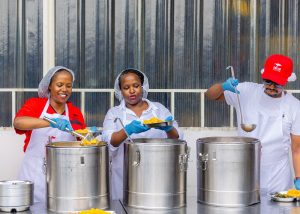
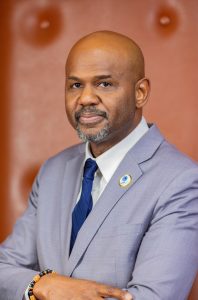
According to Eric Ruzigamanzi, Country Representative of the World Resources Institute Rwanda, the project reached 370 small and medium-sized enterprises (SMEs) during its implementation.
Of these, 137 SMEs received support to understand the benefits and opportunities presented by the circular economy, while 20 SMEs received more in-depth assistance to develop circular economy products, adapt their business models, access new markets, and create green jobs.
“When we started, the circular economy was still a new and somewhat abstract idea,” Ruzigamanzi said in a message shared on LinkedIn. “Through CIRF, we reached 370 SMEs…”
He said the project’s achievements went beyond the number of businesses supported, highlighting the importance of partnerships, learning, and the transformation of ideas into practical solutions.
Strengthening an Enabling Environment
The CIRF project also contributed to the establishment of a multi-stakeholder platform designed to support dialogue and cooperation around circular businesses in Rwanda.
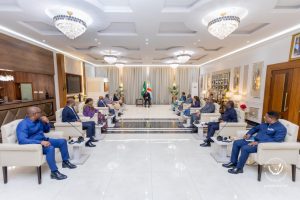
The platform brought together government institutions and other stakeholders, including the Ministry of Environment, the Ministry of Trade and Industry, and the Ministry of Agriculture and Animal Resources.
Ruzigamanzi expressed appreciation to the government co-chairs and members of the platform for their leadership and commitment to creating an enabling environment for circular economy enterprises.
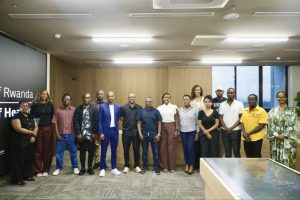
He also recognized the contribution of the 20 SMEs that translated circular economy concepts into practical business solutions.
IKEA Foundation Support
The project was supported by the IKEA Foundation, whose contribution enabled partners and participating businesses to learn, experiment, adapt, and develop new approaches to circularity within Rwanda’s food systems.
Ruzigamanzi thanked the foundation for its commitment and for believing in the potential of circular economy solutions in Rwanda.
He noted that the support provided by the foundation went beyond financial assistance by creating space for innovation, learning, and the development of practical models that could be built upon in the future.
The Journey Continues
Although the CIRF project has officially ended, Ruzigamanzi emphasized that the broader work on circular food systems is continuing.
“The project may be closing, but the journey continues,” he said, adding that the next challenge is to move from demonstration to scale.
He said the project had demonstrated that circular economy approaches can work and that attention must now focus on expanding successful solutions and creating more opportunities for businesses, communities, and the environment.
The CIRF experience provides a foundation for continued collaboration among government institutions, development partners, businesses, and other stakeholders seeking to advance sustainable food systems and green economic growth in Rwanda.
About The Author


SUBSCRIBE TO OUR NEWSLETTER