Gahini School Prepares to Welcome Learners with Visual Impairments After Three-Year Gap
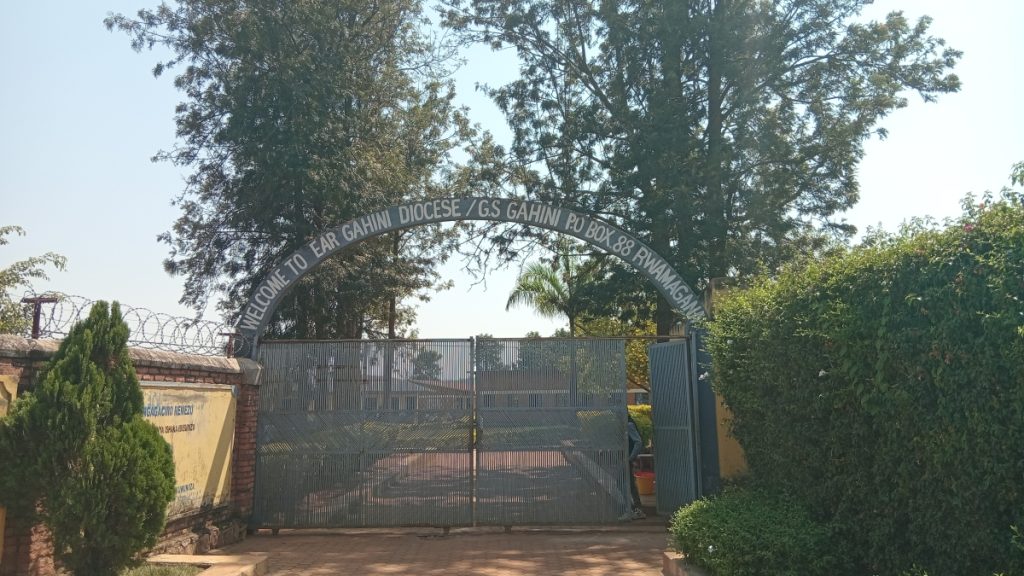
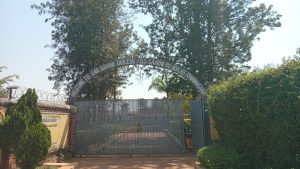
Kayonza, Rwanda — September 3, 2026: A joint delegation from the Ministry of Education, Kayonza District and the Rwanda Union of the Blind (RUB) visited Groupe Scolaire (GS) Gahini on Wednesday to assess preparations for the return of Learners with visual impairments to the school.
The one-day visit followed nearly three years without students with visual impairments attending the school, despite GS Gahini’s longstanding history of providing education to blind and visually impaired learners.
GS Gahini has been associated with inclusive education for students with visual impairments since 1997. The school played an important role in Rwanda’s education history by accepting blind students who for the first time in the country’s hist sat for national examinations when other schools were reluctant to accommodate them due to limited understanding and experience in educating learners with visual impairments.
However, since 2022, no student with visual impairment had been enrolled at the school, and the main reason for the decline in admissions had not been clearly established.
Two Students Already Assigned to Gahini
Jacques Mugisha, Executive Director of the Rwanda Union of the Blind, said the visit was intended to establish whether decisions taken following discussions between RUB and education authorities were being implemented.
“Since 2022, no student has gone to GS Gahini, but we never clearly established the main reason why these children did not return,” Mugisha explained.
He said the situation could have resulted from several factors, including students not being assigned to the school, perceptions among students or parents, or other issues that had not been identified.
According to Mugisha, RUB subsequently engaged the Ministry of Education, particularly State Minister Dr. Claudette Irere, and discussions resulted in an agreement that students with visual impairments who pass the national examinations at primary and O’ Level would also be considered for placement at GS Gahini during the 2026/2027 academic year.
The latest visit sought to establish whether students had actually been assigned to the school following the release of examination results and the placement of students in secondary schools.
The delegation confirmed that two learners with visual impairments had been assigned to GS Gahini, while additional students could potentially be placed at the school.
Resource Room Needs Urgent Support
During the visit, the delegation also inspected the school’s Resource Room, an important component of Rwanda’s Special Needs and Inclusive Education Policy.
Resource Rooms are intended to provide specialized learning support and equipment for students with disabilities. For learners with visual impairments, they can play a critical role in providing Braille materials and helping students access examinations, learning resources and other written information.
However, the delegation found that the Resource Room had not been fully utilized during the period when the school had no students with visual impairments. It currently lacks some of the essential equipment needed to support the return of blind and visually impaired learners.
The delegation therefore agreed on a number of measures to ensure the school is adequately prepared.
Key Actions Agreed
1. GS Gahini confirms readiness
School leadership confirmed that it is ready to welcome students with visual impairments and has not refused to admit them.
2. Provision of essential equipment
The Rwanda Basic Education Board (REB) is expected to urgently provide the basic equipment required to support learners with Visual impairments. Where possible, the equipment should be available before or during the first days of the new school year.
3. Awareness among teachers
Awareness activities will be organized to help teachers understand that teaching students with visual impairments is possible and that learners with visual impairments can successfully participate in mainstream education when appropriate support is provided.
4. Refresher training for teachers
Education authorities and partners will organize additional training for teachers on inclusive education and supporting students with visual impairments. Although teachers have previously received training, staff movements and transfers mean that refresher training is necessary.
5. Resource Room teacher
REB has already designated a teacher to work in the Resource Room. Authorities will assess the teacher’s skills, particularly in Braille. If skills is lacking, another teacher may be assigned.
6. Adequate Braille materials
The authorities will also work to ensure sufficient Braille paper and other materials are available to facilitate the preparation of lessons, examinations and other educational documents in Braille.
7. Annual coordination meetings
The stakeholders agreed to hold at least one joint meeting every year to assess progress and identify challenges affecting students with visual impairments, helping prevent future disruptions.
8. Encouraging students to choose Gahini
RUB, the Ministry of Education and other relevant institutions will strengthen communication with students with visual impairments, particularly those in special schools approaching the end of their current education level.
The aim is to ensure that students and their families understand that GS Gahini is available to accommodate learners with visual impairments and can therefore be considered when students select schools for the next stage of their education.
Renewed Commitment to Inclusive Education
The visit represents an effort by education authorities and disability organizations to ensure that students with visual impairments have access to appropriate educational opportunities without unnecessary barriers.
For GS Gahini, the return of visually impaired learners would also revive an important part of its history of inclusive education.
With two students already assigned to the school and preparations underway to strengthen its Resource Room, stakeholders now face the task of ensuring that the commitments made during the visit translate into practical support when the 2026/2027 academic year begins.
The partners say continued coordination, teacher training, adequate Braille materials and clear communication with families will be essential to ensuring that students with visual impairments can learn alongside their peers and fully participate in school life.
About The Author


SUBSCRIBE TO OUR NEWSLETTER