What Rwanda Is Doing to Achieve Cleaner Air
Rwanda is stepping up efforts to improve the quality of the air its people breathe, with authorities pointing to stronger monitoring, vehicle emissions testing, cleaner transport, industrial controls and cleaner cooking as key measures in the country’s push for cleaner air.
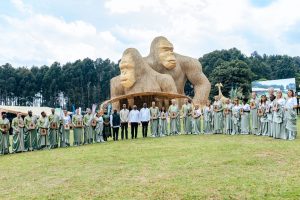
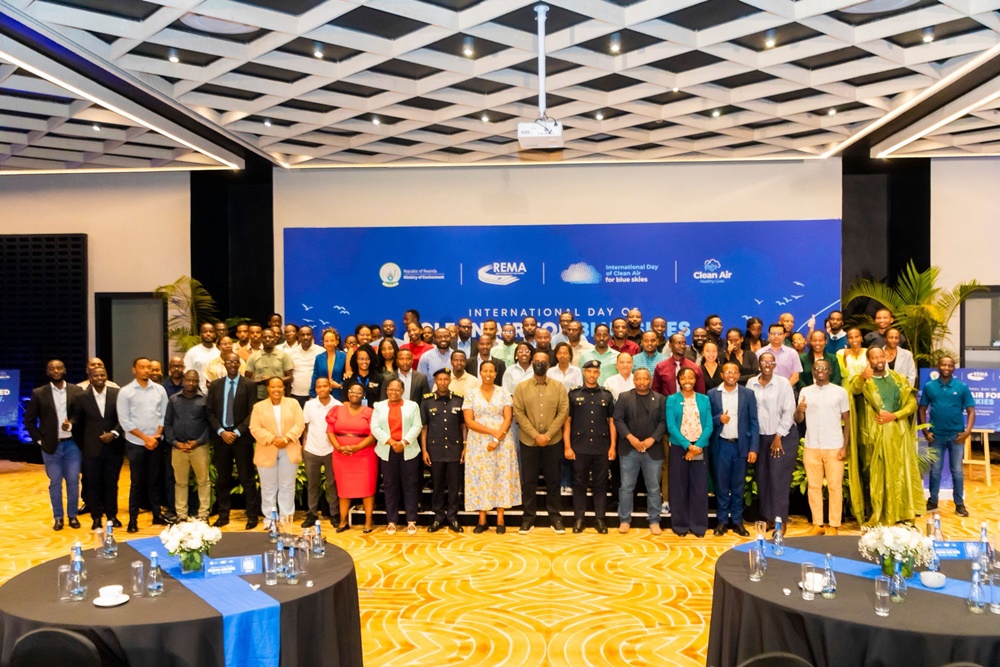
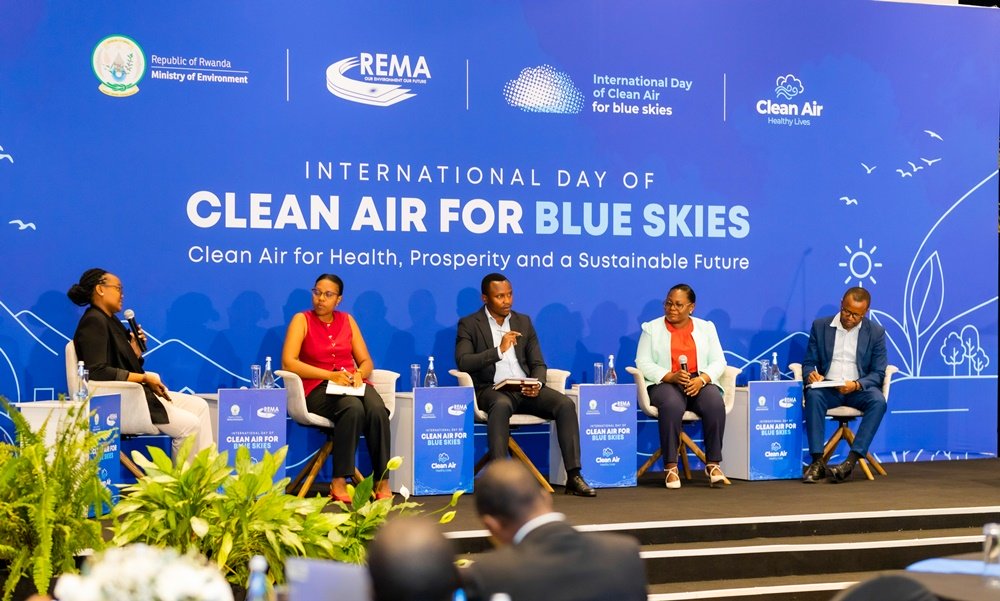
The measures were highlighted on September 11, 2026, during Rwanda’s national celebration of the International Day of Clean Air for Blue Skies, held in Kigali under the theme “Clean Air for Health, Prosperity and a Sustainable Future.”
Fidèle Bingwa, Permanent Secretary in the Ministry of Environment, said Rwanda still has significant ground to cover, estimating that the country’s air may need to become three to four times cleaner to reach the desired level.
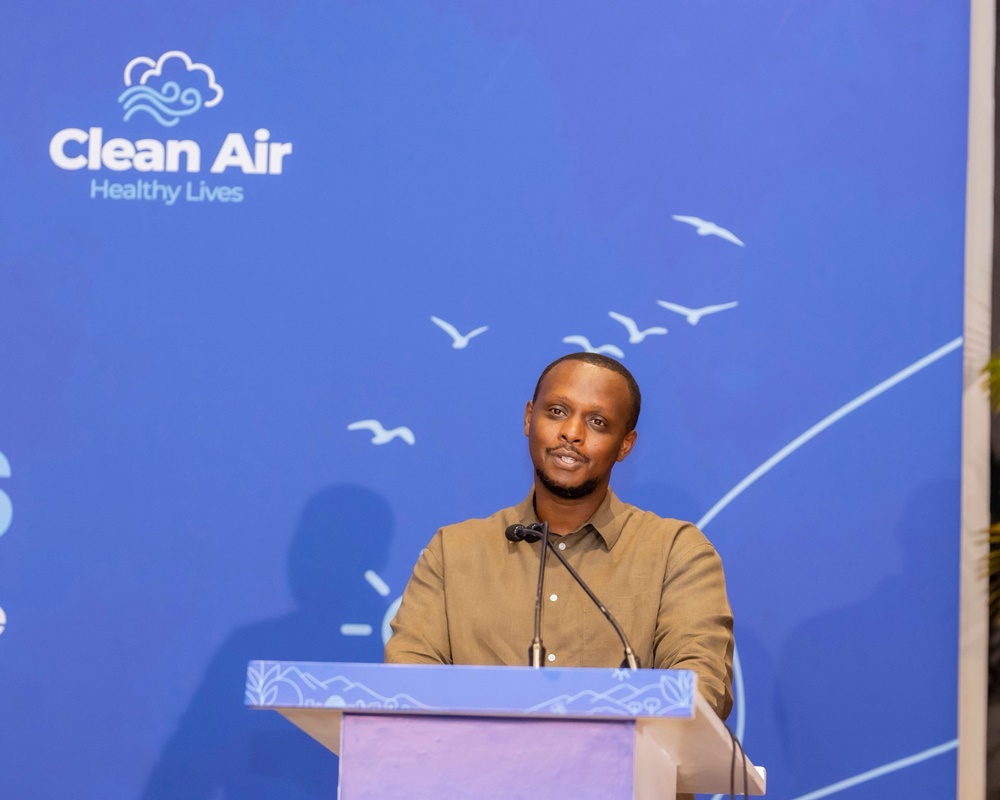
“At the moment, if you look at our air quality, I think we need to improve it. The air needs to be cleaner by maybe three or four times,” Bingwa said.
He acknowledged that such progress would not happen immediately, saying Rwanda would need to set practical targets and gradually introduce measures capable of bringing pollution levels down.
“We’re not going to get there today, but we’ll get there slowly,” he said.
Measuring pollution before taking action
Bingwa said Rwanda is increasingly relying on air-quality data to determine where interventions are needed and how standards should be enforced.
“We already have an air quality monitoring system that we’re trying to improve,” he said. “You don’t want to regulate people without facts, so you need to measure.”
Rwanda currently has 23 air-quality monitoring stations across the country, measuring pollutants including fine particulate matter such as PM2.5 and PM10, nitrogen dioxide, sulfur dioxide, ozone and carbon monoxide.
The monitoring information is updated every five seconds, while a system allows members of the public to check the quality of the air in their area using a phone or computer.
According to the Rwanda Environment Management Authority (REMA), the data is helping authorities understand where pollution levels are highest, identify major sources and determine where action is most urgently needed.
Tackling pollution from vehicles
Road transport is one of the major human-made sources of air pollution identified by Rwanda.
Bingwa said vehicle emissions testing is one of the measures being used to ensure that vehicles operating on Rwanda’s roads comply with established standards.
Rwanda has strengthened vehicle emissions inspections, including bringing motorcycles into emissions testing requirements.
Bingwa said the country must continue testing vehicles while encouraging cleaner alternatives, including electric mobility.
“We need to encourage people to buy electric vehicles. We need to encourage people to take buses. We need to improve our public transportation,” he said.
REMA is also encouraging walking and cycling, alongside cleaner and more efficient vehicles, as part of efforts to reduce transport-related emissions.
Cleaner cooking and tighter industrial controls
The clean-air push also extends beyond roads.
REMA identifies domestic fuel use as another major source of human-made air pollution in Rwanda, particularly through the burning of wood and charcoal for cooking.
The authority says Rwanda is promoting cleaner cooking solutions and more efficient technologies, including electricity, gas and other cleaner fuels.
Industrial activities, construction, mining and quarrying also contribute to pollution through emissions and dust, while open burning of waste and agricultural residues adds to the problem.
Bingwa said the government is seeking to strengthen cooperation with industries by encouraging factories to monitor their own emissions.
Under the proposed approach, companies would generate their own monitoring data, which could then be compared with measurements taken during government inspections.
The aim, he said, is to make enforcement based on facts while ensuring that environmental standards remain practical.
“We’re not asking for the impossible. We’re asking for things that are practical, but that we know it will slowly and slowly get us to where we want,” Bingwa said.
As the country strengthens controls on transport, households and industries, authorities say the objective is broader than reducing pollution. Cleaner air, they argue, is essential for healthier communities, productive citizens and a sustainable economy.
And as Bingwa put it, the process will require successive targets and decisions rather than a single intervention.
He said, “You set a goal. You try to achieve that goal, and then you set another goal. You try to achieve that goal, and that’s what we’re trying to do.”
Clean air as a public health issue

REMA Director General Juliet Kabera said clean air should not be viewed as an environmental issue alone, arguing that it is directly connected to human health and Rwanda’s development.
Reflecting on the COVID-19 pandemic, Kabera said the crisis reminded people of the fundamental importance of being able to breathe.
“Breathing clean air is of utmost importance,” she said.
Kabera also warned about the effects of air pollution on children, citing research linking exposure to polluted air with impacts on cognitive development.
She said the issue is particularly important for Rwanda because the country’s development depends heavily on its human capital.
“We all want to breathe clean air. We all want our kids to breathe clean air. It’s not a luxury. It’s a right,” Kabera said.
She urged the public to consider what individuals can do to contribute to cleaner air, alongside government and private-sector interventions.
REMA is encouraging residents to maintain their vehicles, use public transport, walk or cycle where possible, consider electric mobility, adopt cleaner cooking technologies and avoid burning waste and agricultural residues in the open.
The authority also calls for the protection of trees, wetlands and green spaces, while encouraging residents to use available air-quality information to make informed decisions.
For Rwanda, the challenge now is to translate monitoring, regulation and public awareness into sustained improvements in air quality.


About The Author


SUBSCRIBE TO OUR NEWSLETTER