A Modern, Unapologetic Vision for Francophonie: Louise Mushikiwabo Urges Action on Youth, Multilingualism, and Women’s Empowerment
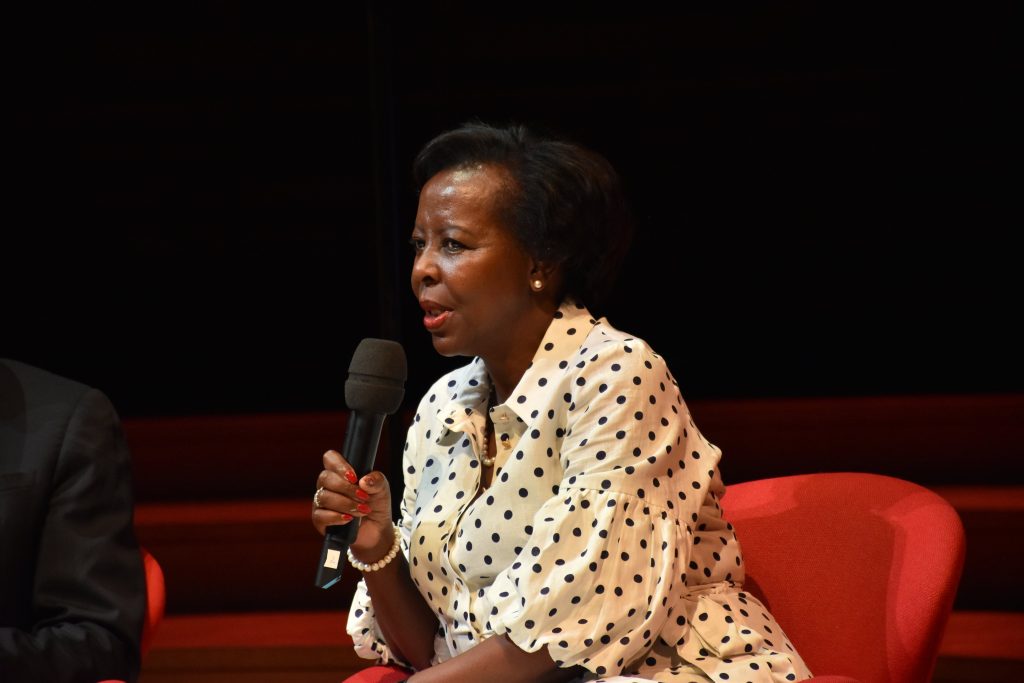
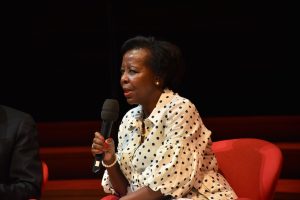
The Secretary General of La Francophonie, Louise Mushikiwabo
In a wide-ranging interview with ZOA, Louise Mushikiwabo, Secretary-General of the Organisation Internationale de la Francophonie (OIF), shared a pragmatic, modern vision for the Francophone world. Addressing key structural issues, Mushikiwabo argued that youth contributions must be taken seriously, defended a multilingual approach to global identity, advocated for efficiency in international forums, and championed women’s leadership.
Taking Youth Proposals Seriously
Mushikiwabo stressed that young people in Francophone nations are not seeking to displace older generations, but rather want their aspirations heard and integrated into national agendas. While acknowledging that not every youth proposal can be implemented, she emphasized the immense potential of youth innovation across Africa.
“In our countries, the policies are good, the development visions are there, five-year plans are there… but on a daily basis, what young people propose must be taken much more seriously,” Mushikiwabo stated. “For me, it is inconceivable that we continue to speak on behalf of young people when they are fully capable of speaking for themselves.”
A “Totally Uncomplexed” Approach to Multilingualism
Challenging traditional views that position Francophonie in opposition to the English language, Mushikiwabo defended a open, multi-linguistic identity. Recognizing English as the primary global medium for trade, technology, and scientific publishing, she validated young Francophones who seek English fluency.
“Young people who say that when you don’t speak or master English today as a Francophone you lose out somewhere—they are right,” she noted.
Emphasizing her own background speaking Kinyarwanda, Swahili, French, and English, she rejected the idea of linguistic conflict:
“Those who think that being Francophone means opposing English are, in my view, completely wrong,” she asserted. “I am a totally uncomplexed Francophone… We are not at war with anyone; I am not a language jihadist.”
Furthermore, she highlighted the cognitive benefits of mother-tongue education, citing educational research showing that mastering native national languages early in life actually enhances a child’s ability to learn French.
Cutting Protocol to Focus on Substance
Addressing international diplomatic culture, Mushikiwabo criticized lengthy formal greeting protocols that often consume limited speaking slots at conferences.
“You start with endless greetings and you no longer have time to express your point of view,” she observed, calling on delegates to adapt to international settings. “To benefit from these conferences, you have to get straight to the point.”
Recognizing the Unsung Contribution of Women
Mushikiwabo spoke forcefully on gender equality, pointing out that non-salaried women’s labor sustains families across the African continent yet remains largely unrecognized.
“Depriving society of the work, energy, creativity, and resilience of women is a very grave, grave mistake,” she warned.
Encouraging women aiming for leadership roles, she advised perseverance against public scrutiny and online criticism. She noted that rising through the ranks requires hard work and public exposure, concluding: “You need to be noticed not just because you are a woman, but because you are capable and you are a woman—it is both at the same time.”
About The Author


SUBSCRIBE TO OUR NEWSLETTER