Dafroza Mukarumongi Gauthier, Who Built the Cases Against Genocide Suspects in France, Dies at 72

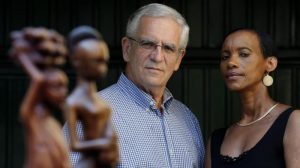
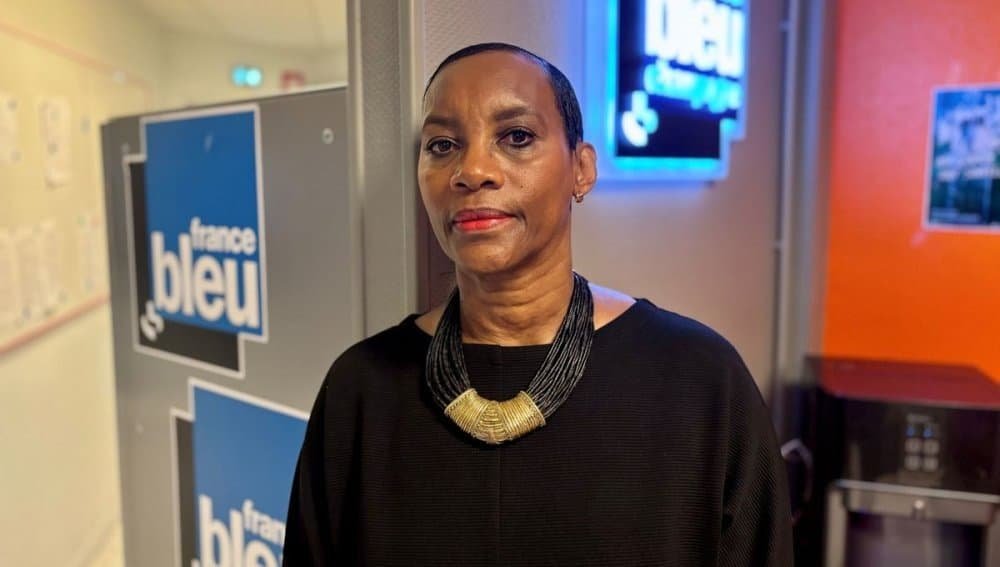
Dafroza Mukarumongi Gauthier, the Franco-Rwandan chemical engineer and activist who spent more than two decades pressing French courts to try people accused of taking part in the 1994 Genocide against the Tutsi, has died after an illness. She was 72.
She was born on 4 August 1954 in Butare and later settled in France, where she trained as a chemist. She married Alain Gauthier, a French teacher she had met in Rwanda; they raised three children. When the killings began she was already living in France.
Nearly eighty members of her family were murdered, among them her mother, who was shot outside a church in Kigali where she had sought shelter. Dafroza had been in the capital only weeks earlier and had tried, without success, to persuade relatives to leave.
In November 2001 she and her husband created the Collectif des parties civiles pour le Rwanda. The group assembled survivor statements, travelled to crime sites in Rwanda, and lodged the bulk of the complaints that reached French investigating judges. Those files helped open the first genocide-related trial in France, that of former presidential-guard officer Pascal Simbikangwa in 2014, and later proceedings against provincial officials, gendarmes, a doctor and others.
By the thirtieth anniversary of the genocide a dozen men had been convicted in French courts, with sentences running from fourteen years to life, though several appeals remained pending. The couple also spoke in schools, arguing that naming the dead and recording what happened to them was itself a form of restitution.
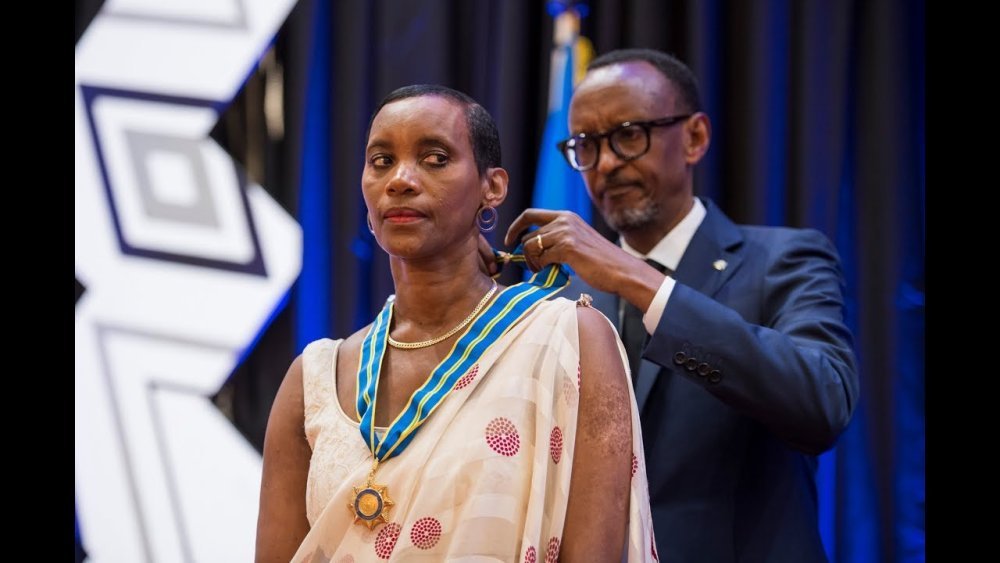
In 2017 President Paul Kagame decorated both Dafroza and Alain with the Igihango order for their work linking Rwanda and France through the pursuit of accountability. Their long investigation was later retold in a 2023 documentary and graphic book.
Organisations that had worked alongside her marked the loss directly. Aegis Trust, which maintains the Kigali Genocide Memorial, expressed condolences to Alain Gauthier, their family and the CPCR, recalling that she had stood with survivors and refused to allow silence to close the cases.
The Ishami Foundation described her as a survivor whose determination to document the crimes and keep victims’ names alive would remain part of Rwanda’s memory. On social media, people who had followed the French trials wrote that the voice had gone quiet but the files and the civil-party work would continue.
Her death ends the personal role she played in turning scattered survivor accounts into cases that French assize courts were willing to hear. The complaints she helped file, and the testimonies she helped preserve, remain part of the ongoing record.
About The Author


SUBSCRIBE TO OUR NEWSLETTER