Royal FM Shifted to 40% Kinyarwanda Programming After Audience Research, Aissa Cyiza Reveals
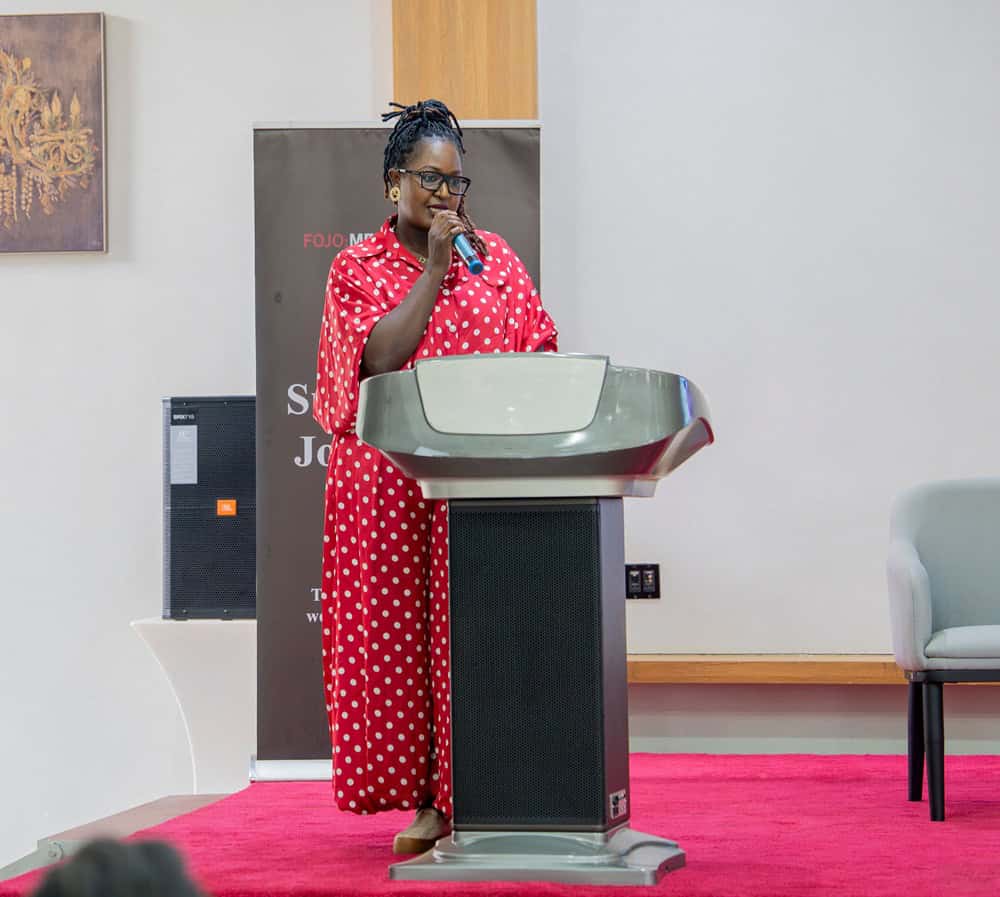
KIGALI, Rwanda – Audience research has helped Royal FM rethink its programming strategy, increase the use of Kinyarwanda content and explore new digital revenue opportunities, according to Aissa Cyiza, the station’s Chief Executive Officer.
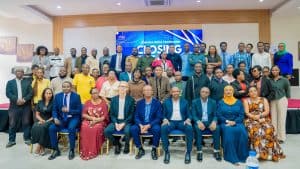
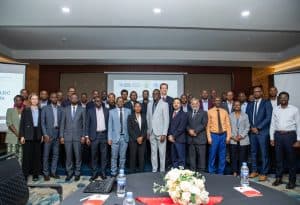
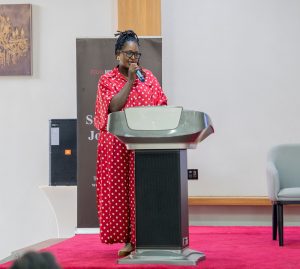
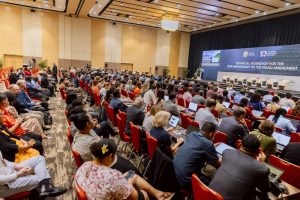
Speaking at the closing ceremony of the Rwanda Media Programme (RMP) in Kigali on October 30, 2026, Cyiza explained how evidence about audience preferences influenced the station’s decision to move away from an entirely English-language programming model towards a more balanced approach reflecting the linguistic preferences of Rwandan listeners.
Before the research, Royal FM’s programming was delivered entirely in English. However, findings from an audience survey supported through the programme revealed the need to give greater space to Kinyarwanda.
The station subsequently changed its language distribution to 60% English and 40% Kinyarwanda.
“The survey showed us that we needed to include Kinyarwanda because Rwandans love telling stories in their own language,” Cyiza explained.
The adjustment represents a significant shift in the station’s approach to understanding and serving its audience, demonstrating how research can translate into practical editorial and programming decisions.
From assumptions to audience-driven programming
For Royal FM, the experience highlighted the importance of understanding who listens to the station, what audiences want to hear and how language influences their engagement with broadcast content.
Rather than relying exclusively on established programming habits, the station used audience evidence to reconsider its content strategy and respond to listeners’ preferences.
The decision to introduce a 40% Kinyarwanda programming share also reflects the importance of local-language broadcasting in reaching audiences and making media content more accessible.
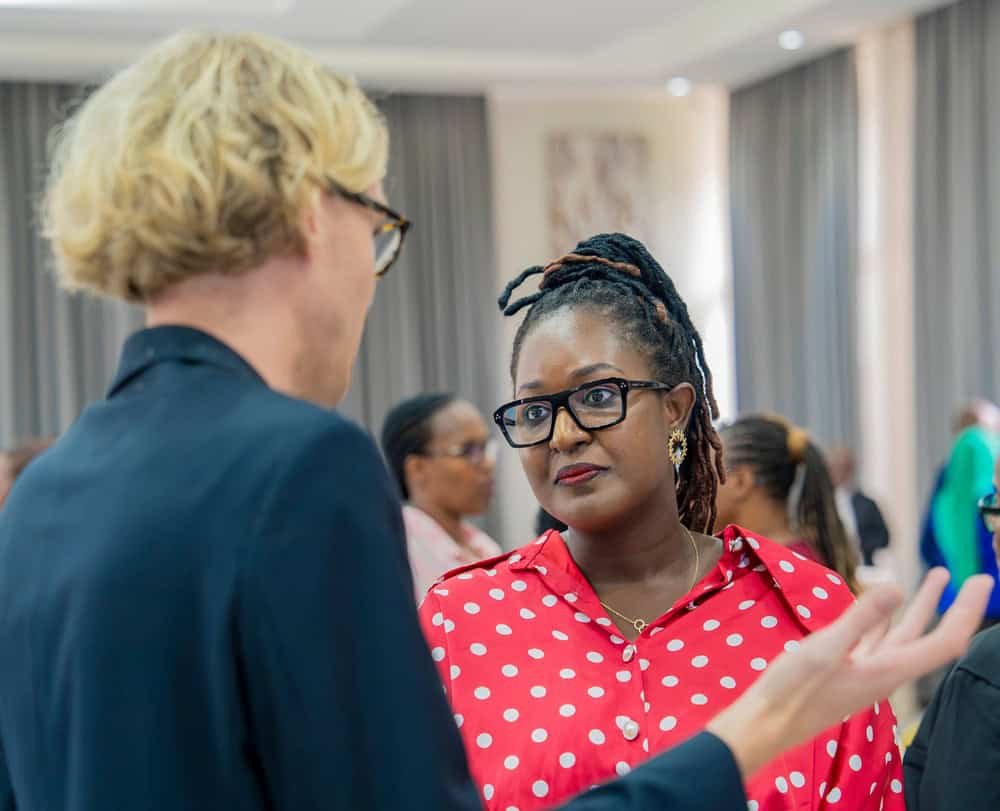
Cyiza’s testimony illustrated one of the practical benefits of the Rwanda Media Programme’s investment in audience research: enabling media organisations to make decisions based on evidence rather than assumptions.
Social media and digital monetisation become priorities
Beyond traditional broadcasting, Royal FM has also been encouraged to strengthen its digital presence and explore opportunities to generate revenue through online platforms.
Cyiza said the station received support in developing social media strategies and examining ways to monetise digital platforms.
The shift reflects the growing need for radio stations to engage audiences beyond conventional radio frequencies, particularly as listeners increasingly consume information and entertainment through social media and other digital channels.
“We can no longer depend on traditional broadcasting,” Cyiza said. “We have to embrace digital opportunities, engage our audiences wherever they are, and build sustainable platforms for the future.”
For Royal FM, digital transformation is therefore not simply about maintaining a presence on social media. It is also about developing new ways to connect with audiences, distribute content and create sustainable business opportunities.
Internship support creates opportunities for emerging journalists
The programme also contributed to professional development through internship opportunities.
Royal FM benefited from support involving four interns, two of whom were subsequently retained by the station.
The experience demonstrated how practical newsroom exposure can help young media professionals develop their skills while giving media organisations an opportunity to identify and recruit emerging talent.
The retention of two interns also provides an example of how training and professional placement opportunities can contribute to employment pathways within the media industry.
A wider lesson for Rwanda’s media industry
Cyiza’s account highlights a broader challenge facing media organisations in Rwanda: adapting to changing audience behaviour while developing financially sustainable operations.
As competition for audiences expands across radio, television, social media and digital platforms, broadcasters increasingly need reliable audience information, relevant programming and diversified revenue strategies.
The Royal FM experience demonstrates how audience research can influence several aspects of media operations, from language choices and editorial planning to digital engagement and business development.
The station’s transition from 100% English programming to a 60% English and 40% Kinyarwanda mix is one of the clearest measurable examples of research-informed change shared during the closing ceremony.
Fojo’s Rwanda Media Programme and the future of media sustainability
The Rwanda Media Programme was implemented by Fojo Media Institute over five and a half years, with support from Sweden and Switzerland.
The initiative worked with more than 40 media houses, seven media organisations and four universities, supporting improvements in journalism quality, institutional development, audience research, digital transformation and media sustainability.
As the programme concludes, the experience shared by Royal FM illustrates why continued investment in audience research and digital capacity remains important for the future of Rwanda’s media sector.
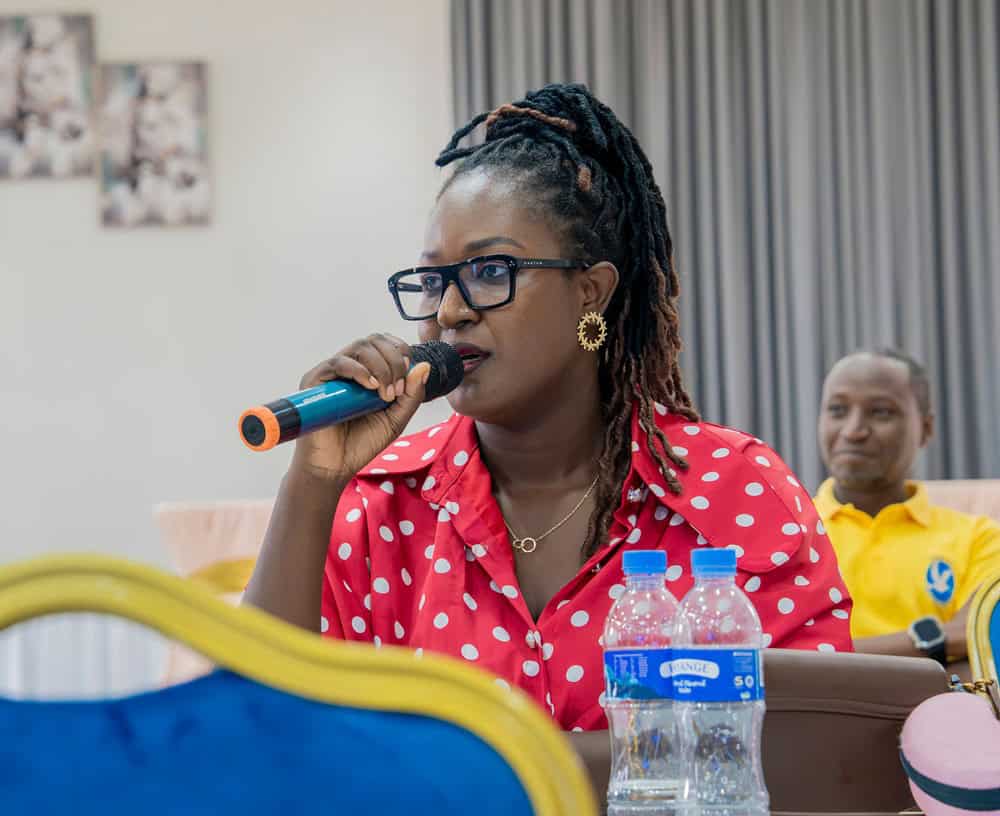
For Cyiza, the message is clear: broadcasters must understand their audiences, adapt their content and embrace digital opportunities if they are to remain relevant and financially sustainable in a rapidly changing media environment.
About The Author


SUBSCRIBE TO OUR NEWSLETTER