Beyond Forest Conservation: Why Elements of Decent Work Belong in FSC’s Standards Review
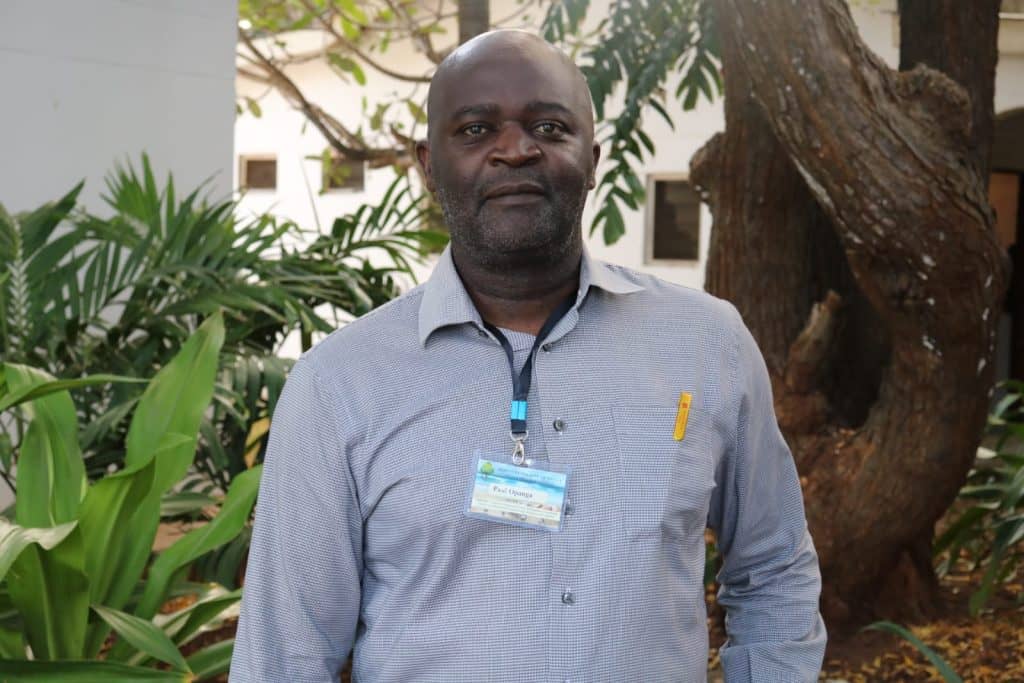
By Paul Opanga, Senior Regional Labor Affairs Manager, Africa and Middle East, Forest Stewardship Council
Promoting decent working conditions is key in securing workers’ rights and enabling safe working conditions. Decent work means safe, fairly paid work with social protection and a voice for workers. The FSC’s standards offer robust protection for workers by monitoring whether forest managers and companies uphold the principles and workers’ rights set out by the International Labour Organization (ILO). The FSC principles and criteria also require certificate holders to uphold the rights of workers as defined in the ILO Declaration on Fundamental Principles and Rights at Work.
FSC has established a set of core labour requirements based on the Fundamental Principles and Rights at Work (FPRW) enshrined in the ILO Core Conventions. These include freedom of association and the effective recognition of the right to collective bargaining; the elimination of all forms of forced or compulsory labour; the abolition of child labour; and the elimination of discrimination in employment and occupation. It is estimated that forests contribute to about 1% of the global gross domestic product while providing food, income, employment, and shelter to approximately 1.5 billion people. Nearly 350 million people, many of whom are indigenous and tribal peoples, depend on forests. Notably, forestry continues to be affected by global megatrends like globalisation, technological advancement, demographic transition, climate change, and biodiversity loss.
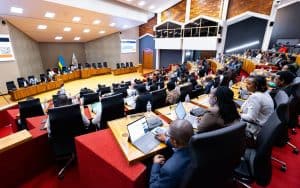
In addition to global trends and developments in the sector, the FSC system is shaped by ideas and proposals from its members, who contribute through motions adopted at the FSC General Assembly. These ongoing processes inform FSC’s decision to revise its Principles, Criteria and Indicators (PC&I).
The review of worker-related requirements is already informed by a motion providing workers’ representatives with access to the workplace. This enables them to engage with workers, share information, and raise awareness of relevant issues, including workers’ education and training.
Motion 51 calls for workers to have the right to freely and regularly elect occupational health and safety representatives in all FSC-certified organisations, taking into account the number of workers and the occupational risks involved. FSC is also seeking stakeholder perspectives on aligning its requirements with ILO Conventions 155 and 187, which address occupational safety and health.
The ongoing revision of the Principles, Criteria and International Generic Indicators calls on members, trade unions, certificate holders, and other stakeholders to share views on health and safety. This includes streamlining the enforcement of rules on personal protective equipment, emergency climate response, and decent accommodation for workers.
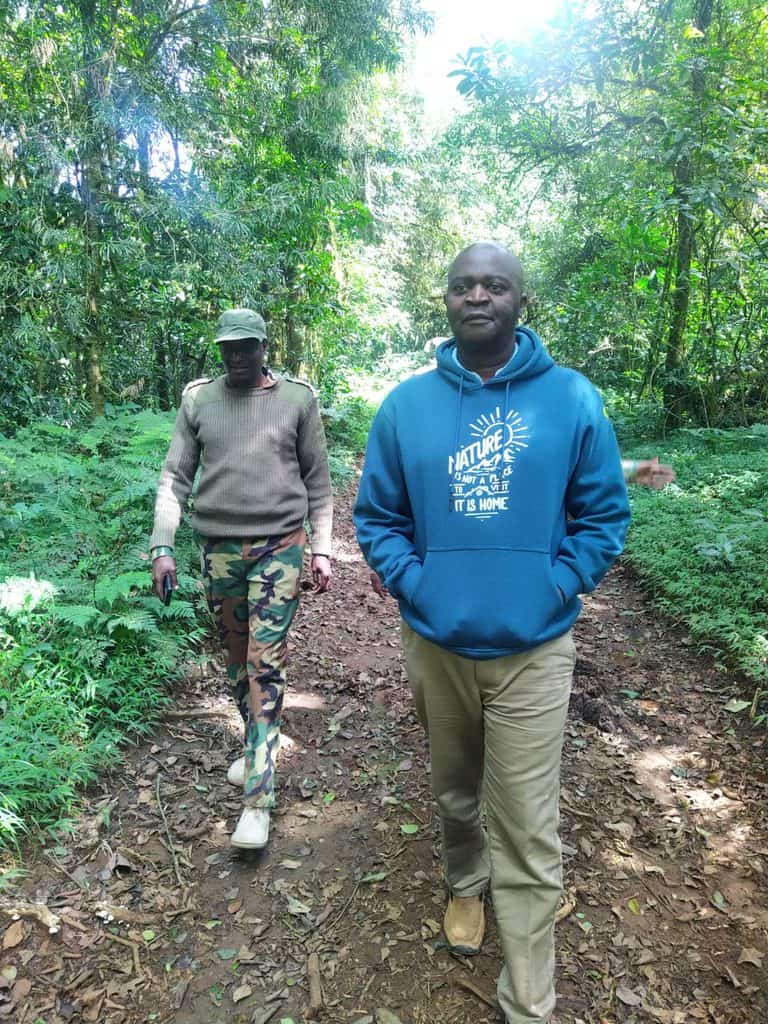
Paul Opanga, Senior Regional Labor Affairs Manager, Africa and Middle East, Forest Stewardship Council
Recognising that FSC Principle 2 safeguards the protection of workers’ rights and their social and economic welfare, it includes indicators covering wage requirements, job-specific training, grievance mechanisms and fair compensation for work-related property damage, occupational diseases or injuries. The revision process seeks further input on wage guidelines, clarification on minimum and living wages, and more effective grievance handling and compensation mechanisms. Engagement with workplace stakeholders is an important element of the social dialogue pillar of decent work. With this in mind, the FSC revision process encourages stakeholder participation in the webinars and meetings being organised by it. Contributions from those seeking to improve working conditions and strengthen workers’ rights within the FSC system are urged. The revision process recognises that implementing worker requirements has unique challenges, and some issues are specific to country and context. Additionally, climate change is increasing pressure on forests and the people who work in them. Workers face more extreme weather, greater safety risks, and changing working conditions, which in some cases result in precarious, informal, or seasonal work.
Against this backdrop of changing working conditions, diverse stakeholder perspectives are essential to informing the revision process and highlighting challenges specific to different countries and regions. Regarding child labour, differences in minimum working ages across countries require further consideration in the revision process. ILO and UNICEF estimates for 2024 put the number of children in child labour at 138 million, of whom 61% work in agriculture, including forestry and fisheries.
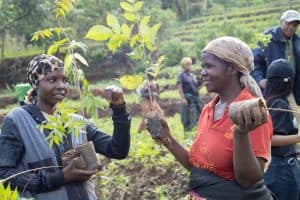
In forestry, children may be involved in tasks that require small stature or agility, such as climbing trees to harvest fruit, collecting honey or tapping rubber trees. As FSC also seeks to promote family and community forest certification, a clearer understanding of the distinction between legitimate family-based work and child labour may be needed. This is particularly relevant in parts of Africa, where agroforestry and smallholder farming are widespread.
The revision process must also take account of emerging regulations in markets such as the EU, where products may be held back from entering supply chains if companies cannot demonstrate that forced labour is absent.
The revision process is guided by one clear principle: FSC standards must always uphold and protect workers’ rights. Implementing the FSC Principles and Criteria also enables certificate holders to contribute to the UN Sustainable Development Goal 8 (SDG 8) on Decent Work and Economic Growth, through requirements that protect workers’ rights, promote safe and healthy working environments and support decent job creation.
Stakeholder participation in the review is important to help shape FSC’s standards and certification processes to promote safer, more decent working conditions across forest and wood value chains, as well as the built environment.
About The Author


SUBSCRIBE TO OUR NEWSLETTER