Rwanda Suspends Development Cooperation with Belgium Amid Historical Tensions and Regional Conflict

OUR REPORTER
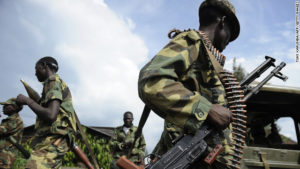
KIGALI, RWANDA — In a significant diplomatic shift, the Rwandan government announced on Tuesday the suspension of its bilateral Development Cooperation with Belgium, effective immediately. The decision is rooted in a complex web of historical grievances and recent political tensions, particularly surrounding Belgium’s involvement in the ongoing crisis in Eastern Democratic Republic of Congo (DRC).
The announcement follows a series of actions by Belgium perceived as undermining Rwanda’s efforts to secure development finance amid escalating regional instability.
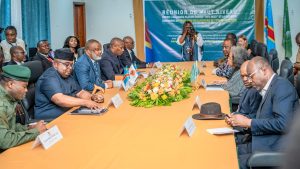
Rwandan officials accused Belgium of politicizing aid and interfering in the nation’s sovereignty, particularly as Rwanda navigates the delicate landscape of mediation efforts mandated by the African Union and the Joint East African Community-Southern African Development Community Summit.
“The political decision taken by Belgium to side with certain factions in the DRC conflict jeopardizes Rwanda’s access to vital development resources,” said a a statement from the Rwandan government. “We cannot allow our national security to be compromised or our development efforts to be held hostage by external meddling.”
The historical context of Rwandan-Belgian relations is fraught with painful memories that many Rwandans still carry. Belgium’s colonial legacy in Rwanda is marked by actions that have been widely criticized as exacerbating ethnic divisions. Key events include:
– Exile of King Musinga (1931): The Belgian colonial authorities exiled King Musinga, a significant figure in Rwandan history, which sowed seeds of discontent among the populace
– Introduction of Divisive Identity Cards (1933): Belgium implemented a system of identity cards that categorized citizens based on ethnicity, a move that institutionalized division and discrimination between Hutus and Tutsis.
– Support for Radical Hutus (1959): As tensions escalated leading up to the Rwandan Revolution, Belgian authorities were accused of backing radical Hutu factions, contributing to violence against Tutsis.
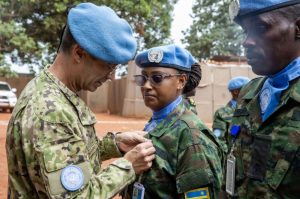
– Abandonment During Genocide (1994): During the genocide against Tutsi, Belgium’s withdrawal of its peacekeeping forces left Tutsis vulnerable to mass killings, an act that continues to haunt the collective memory of the nation.
These historical grievances have resurfaced on social media amid Belgium’s recent actions in the context of the DRC crisis, where Rwanda has been accused by some factions of supporting rebel groups. The Rwandan government vehemently denies these allegations, asserting that they are part of a broader campaign to tarnish Rwanda’s image internationally.
In a recent statement, Rwandan officials expressed frustration over what they described as “punitive, one-sided measures” from Belgium, which they argue are counterproductive to peace efforts in the region. “Development partnerships must be built on mutual respect,” they stated, emphasizing Rwanda’s commitment to accountability and transparency in its development initiatives.
The suspension of the bilateral cooperation in development matters marks a significant turning point in Rwandan-Belgian relations, which had seen attempts at reconciliation in recent years.
As Rwanda seeks to bolster its security and economic development, officials are adamant that they will not allow historical injustices or current political maneuvering to dictate their future.
Rwanda’s decision has been met with mixed emotions among its citizens.
For many, the news evokes a sense of vindication against a colonial past that continues to cast a long shadow over present-day relations. Others express concern about the potential economic ramifications of suspending cooperation with a historically significant partner.
As Rwanda moves forward with its development agenda without Belgian support, the government remains focused on fostering stability within its borders and addressing the underlying issues that perpetuate conflict in the region.
“Our only aim is a secure border and an irreversible end to the politics of violent ethnic extremism,” officials reiterated, calling for renewed commitment from all parties involved in regional peace efforts.
The international community watches closely as Rwanda and E-DRC navigate this sensitive period, with hopes for a peaceful resolution to the conflicts that have long plagued the Great Lakes region of Africa.
About The Author


SUBSCRIBE TO OUR NEWSLETTER