Italy records sharp drop in migrant sea arrivals in 2026 amid ongoing policy debates
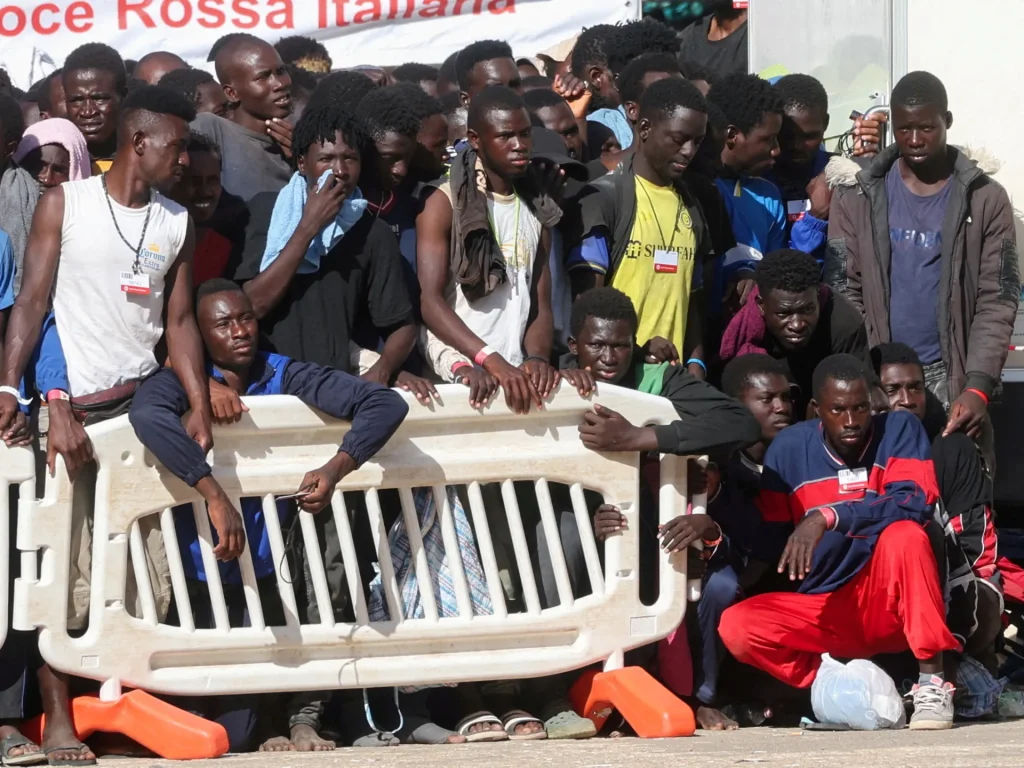
Sea arrivals of migrants and asylum seekers to Italy have fallen sharply in 2026, with official figures showing approximately 16,567 people reaching the country’s shores in the first seven months of the year.
This represents a decline of more than 50 percent compared with the same period in 2025, when more than 36,000 arrivals were recorded, and marks a steep reduction from the peak of roughly 157,000 in 2023.
July alone saw 2,179 arrivals, down 21 percent from the previous month.
Lampedusa remains a primary point of disembarkation, though current numbers on the island are low, with reports indicating fewer than 130 people present in the hotspot facility in early August.
Small groups continue to arrive, including around 100 people in three separate landings reported on 6 August.
The Meloni government has attributed the reduction to a combination of bilateral agreements with North African countries aimed at intercepting boats before departure, the establishment of external processing arrangements including facilities in Albania, and changes to domestic rules that previously offered broader forms of protection and residency rights.
Legal immigration pathways for work continue under multi-year quotas separate from irregular arrivals.First-time asylum applications remain higher than pure sea arrival numbers, with more than 126,000 recorded in 2025.
Reception systems continue to house tens of thousands of people across emergency centers, government facilities and integration programs.
Nationalities among recent arrivals have included individuals from Bangladesh, Somalia, Sudan, Algeria, Pakistan and other countries.
Discussions on social media and in political circles have focused on the statistical decline while highlighting isolated incidents involving reception conditions, protests over provisions, and occasional reports of violence or public disorder linked to individuals identified as asylum seekers.
At the same time, Italy has moved forward with domestic implementation of the European Union’s Pact on Migration and Asylum through a decree-law that took effect earlier in 2026.
Talks have also emerged regarding a possible partnership with Rwanda centered on temporary protection and claim processing for displaced people.
Comparisons with other Mediterranean routes show broader declines across the region in the first half of the year, though pressure points such as the recent situation in Ceuta have prompted renewed debate among EU member states over border controls and solidarity mechanisms.
Italian authorities continue to emphasize that the current levels of arrivals do not constitute an emergency, while opposition voices and critics argue that irregular entries persist and that longer-term integration and return challenges remain unresolved.
As of early August, the overall picture is one of significantly reduced sea traffic compared with previous years, sustained small-scale landings, active diplomatic efforts, and polarized public discussion surrounding the management of asylum and migration.
In short:
Italy Records Sharp Decline in Sea Arrivals During 2026
Official figures indicate that migrant and asylum seeker arrivals by sea have fallen significantly compared with previous years.
Sea Arrivals
Jan–Jul 2026
16,567
Jan–Jul 2025
36,000+
Peak Year (2023)
157,000
July 2026 Arrivals
2,179
Arrival Trends
| Indicator | Data |
|---|---|
| Sea arrivals (Jan–Jul 2026) | 16,567 |
| Sea arrivals (Jan–Jul 2025) | More than 36,000 |
| Peak arrivals (2023) | Approximately 157,000 |
| Overall change | More than 50% decrease |
| July arrivals | 2,179 (21% lower than June) |
| Lampedusa hotspot population | Fewer than 130 people |
| Landings on 6 August | About 100 people in three separate boats |
| First-time asylum applications (2025) | More than 126,000 |
Factors Behind the Decline
- Bilateral agreements with North African countries to intercept migrant boats.
- External processing arrangements, including facilities in Albania.
- Changes to Italy’s domestic migration and residency policies.
- Separate legal migration quotas for workers.
Current Situation
Countries of Origin
Recent arrivals include people from:
- Bangladesh
- Somalia
- Sudan
- Algeria
- Pakistan
- Other African and Asian countries
Policy Developments
- Italy has begun implementing the EU Pact on Migration and Asylum.
- Discussions have emerged regarding possible cooperation with Rwanda on asylum claim processing.
- Reception centres continue to host tens of thousands of asylum seekers across Italy.
Public Debate
The decline in sea arrivals has become a central topic in Italian politics. While the government argues that current numbers no longer constitute an emergency, critics maintain that irregular migration, integration, and return policies continue to present long-term challenges.
Italy has experienced one of the lowest levels of sea arrivals in recent years. Although crossings continue, the scale is substantially below the levels recorded in 2023, while migration management remains a politically sensitive issue across Europe.
About The Author


SUBSCRIBE TO OUR NEWSLETTER