Community Participation: The Key to Rwanda’s Public Health Success

By Ange de la Victoire DUSABEMUNGU
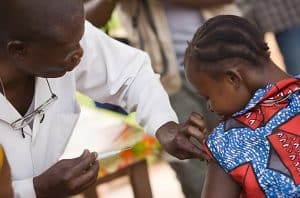
Rwanda’s approach to public health, particularly in immunization and disease management, has been praised as a model for success.
Rwanda’s success story was shared during the University of Global Health Equity’s Webinar entitled: The New Era of Global Health Leadership: A Playbook for Preparing and Responding to Pandemics and Humanitarian Crises.
This session aimed to provide a platform for global health leaders to share their experiences, discuss the current state of leadership, and explore innovative strategies to address these pressing issues in Health Sector.
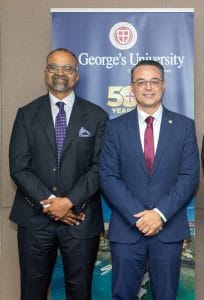
According to Dr. Zikan Koroma, a medical doctor with a Master of Science in Tropical and Infectious Diseases from the Liverpool School of Tropical Medicine, Rwanda’s key innovation lies in the deep involvement of local communities in healthcare initiatives.
Speaking on his observations from Rwanda, Dr. Koroma highlighted the role of community ownership in healthcare.
“The community is fully involved and they participate in everything that is going on, and they own it,” he said.
Unlike many other regions where healthcare interventions are solely driven by government or international organizations, Rwanda has integrated local leadership into its public health framework.
According to Dr. Koroma, this bottom-up strategy ensures that health initiatives, including immunization campaigns, are embraced by the people they are meant to serve.
“When it comes to immunization, it is owned by the locals and hence they own it,” he explained, emphasizing that this model stands in contrast to other places where vaccine patents and distribution often remain in the hands of the Global North while the Global South struggles with access.
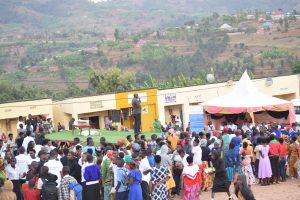
Dr. Koroma and a team, including Prof. Manzi, visited communities in Rwanda to observe how healthcare is delivered at the grassroots level, particularly for HIV and tuberculosis (TB) patients. They found that local leaders play a crucial role in bridging the gap between the community and healthcare facilities.
“The community people, they are part of it. They have leaders in the community that are working closely with the health team, meaning the hospital team,” he noted. This system allows healthcare workers to focus on critical and emergency cases in hospitals, while community leaders remain in direct contact with patients, ensuring they adhere to medications and vaccination schedules.
Trust is a fundamental factor in the system’s success. “The patients accept the people they know. And also, they have confidence in their local leaders and their community leaders,” Dr. Koroma explained. This trust-based approach reduces vaccine hesitancy and improves treatment adherence, as individuals feel reassured when receiving health information from familiar and respected figures within their community.
Experts worldwide continue to study Rwanda’s healthcare model, with many considering it a powerful example of how community participation can enhance public health outcomes.
Dr. Koroma believes this model could be adapted in other parts of the Global South to strengthen healthcare delivery and ensure better disease control.
About The Author


SUBSCRIBE TO OUR NEWSLETTER