Continued Medical Education: The Key to Improving Surgical and Anesthesia Care in Africa

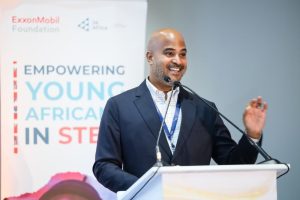
Lifebox, a global nonprofit dedicated to safer surgery and anesthesia at the Advancing Medical Education in Africa Conference.
In a rapidly evolving medical landscape, Continued Medical Education (CME) is not just a tool for career advancement—it’s a lifeline that saves lives, especially in fields like surgery and anesthesia. In the context of Africa’s evolving healthcare challenges, training and refresher courses are critical to enhancing the capacity of healthcare professionals and improving patient outcomes.
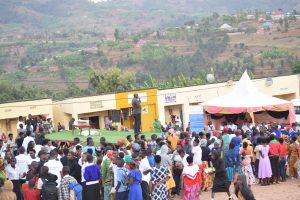
At the inaugural Advancing Medical Education in Africa conference held in Kigali, Rwanda, on March 24-25, 2025, co-hosted by the University of Global Health Equity (UGHE) and Rwanda’s Ministry of Health, experts shared valuable insights on the transformative role of CME in shaping the future of healthcare across the continent.
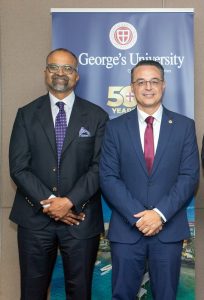
During an interview with the media, Prof. Abebe Bekele, the Deputy Vice Chancellor of Academic and Research Affairs, and Dean of the School of Medicine and Health Sciences at the University of Global Health Equity (UGHE) in Rwanda, emphasized the acute disparity between Africa’s health workforce and its disease burden.

“Africa has only 3% of the global health workforce but carries 25% of the world’s disease burden, particularly in East Africa,” Prof. Bekele stated. This gap underscores the urgency of strengthening medical education through programs like CME, which can significantly improve healthcare delivery.
At the heart of these challenges lies a significant shortage of trained healthcare professionals. “We are dealing with multiple pillars of difficulty—supply chain management, the training of human resources, and the establishment of policies that support surgical practices,” Prof. Bekele explained, highlighting the role of CME in bridging these gaps, especially in specialized fields like surgery, where the training of practitioners remains scarce.
The need for continuous training is not just about keeping healthcare providers up to date—it is about addressing the fundamental gaps that exist in surgical systems across East Africa. Prof. Bekele’s optimism about Rwanda’s progress offers a hopeful vision for the future.
“The government’s 4×4 initiative aims to quadruple the number of surgeons, obstetricians, gynecologists, and anesthetists within four years,” he said, noting that the number of specialized practitioners in Rwanda is expected to rise from 100 to 600. This ambitious goal can only be achieved through sustained investment in CME programs, ensuring that healthcare workers remain well-equipped to handle the complexities of modern medicine.
Prof. Bekele also praised Rwanda’s evolving healthcare infrastructure, including the transformation of district hospitals into teaching facilities and the expansion of operating theaters. “Rwanda is on the right track, and the key is to focus on training as many generalists and specialists as possible,” he added, underscoring the importance of local and international training programs.
A key component of Rwanda’s healthcare improvement is local manufacturing to ensure self-sufficiency. Prof. Bekele called for Africa to prioritize local production of medical supplies. “We need to think about manufacturing everything we need—gloves, IV fluids, needles—together as a region, rather than competing with each other,” he urged.
Continued investment in CME will be crucial to improving the quality of care. “Even with the best resources and personnel, we cannot afford to have situations where surgery is successful but the patient dies,” Prof. Bekele explained, advocating for better quality control mechanisms in hospitals. He also stressed the importance of policies based on research and data, rather than opinions.

Similarly, Prof. Nobhojit Roy, Prof. Nobhojit Roy, a health systems advisor to the Government of India and a renowned expert in trauma surgical outcomes and healthcare delivery in resource-poor settings and board member of Lifebox, highlighted the importance of CME in addressing Africa’s healthcare crisis.
“The shortage of healthcare professionals, especially doctors and nurses, is a massive challenge in Africa,” Prof. Roy noted. His perspective emphasized that the key to improving healthcare in Africa lies in increasing the number of trained professionals. He also pointed out that many African patients seek treatment abroad, a clear indication of the region’s need for better-trained healthcare workers.
Lifebox, a global nonprofit organization, plays a critical role in enhancing surgical and anesthesia safety through CME programs.
“We don’t try to replicate what governments or universities can do. We fill the gaps that remain,” Prof. Roy explained. Lifebox provides hands-on training, essential tools, and resources in areas where the healthcare system lacks the capacity to deliver comprehensive education. For instance, Lifebox has provided headlamps to hospitals in Africa to address power outages during surgeries, a common issue in resource-limited settings.
Training the entire surgical team is crucial, Prof. Roy emphasized. “Once nurses graduate, there’s often no further training. We offer essential training in surgical safety, leadership, and sterilization,” he explained. Through Lifebox’s efforts, healthcare workers in Rwanda and other African nations have received specialized training that directly improves patient outcomes.
In addition to training, Prof. Roy advocates for a more efficient approach to medical education. “In Africa, we cannot afford to have doctors in training for 10 or 15 years like in the US or Europe,” he said. “Our populations are growing rapidly, and we need to produce more healthcare professionals in a shorter time frame.” His practical approach includes training other healthcare workers, such as nurse practitioners, who can deliver care in rural areas. “The key is to train people more quickly and efficiently,” he noted, acknowledging the necessity of creating a healthcare workforce that meets the region’s urgent needs.
While addressing healthcare challenges, Prof. Roy also pointed to the economic barriers many African patients face when accessing surgery. “Surgery is still seen as a luxury in many parts of Africa,” he said, stressing the need to make surgical care more affordable. He proposed localizing the production of surgical equipment to lower costs, making surgery accessible to a broader population.

Senait Bitew Alemu, Lifebox’s chief program officer and an expert in program development, strategic planning, and healthcare system strengthening, echoed these sentiments, sharing how Lifebox’s initiatives have been instrumental in improving surgical and anesthesia safety in Rwanda.
“At Lifebox, we’ve been advocating for safe surgery and anesthesia,” Senait explained. The organization’s core programs focus on improving standards of care through initiatives like CLINCAT, which addresses surgical site infections, a leading cause of post-operative complications. “We’ve seen a reduction in surgical site infections by up to 46% in facilities that implement these measures consistently,” she shared, citing data-driven results from Rwanda.
Lifebox’s work also includes the training of perioperative nurses. “In Rwanda, most nurses working in perioperative areas are not specifically trained for that role,” Senait noted. To fill this gap, Lifebox introduced a fellowship program that trains general nurses in perioperative care, a vital aspect of ensuring surgical safety. This nine-month training includes five modules and emphasizes quality improvement, preparing nurses to contribute meaningfully to surgical teams.
As Lifebox continues to expand its efforts in Rwanda, it has also addressed critical equipment shortages. “In many low- and middle-income countries, power outages during surgeries are a common problem,” Senait explained.
Lifebox has provided surgical headlights to hospitals in Africa to ensure that surgeries can proceed safely, even during power failures. This initiative is part of a broader strategy to ensure that healthcare workers in low-resource settings have the tools and training they need to provide safe, effective care.
Looking ahead, Lifebox plans to further strengthen healthcare systems through its Safe Surgical System Strengthening initiative. “We will conduct co-assessments with healthcare teams to identify gaps in staffing, equipment, and procedures,” Senait said. This approach will help hospitals and governments identify areas for improvement and advocate for the necessary resources.
In conclusion, the role of Continued Medical Education in improving healthcare outcomes, particularly in surgery and anesthesia, is undeniable. As experts like Prof. Bekele, Prof. Roy, and Senait Bitew Alemu emphasize, training healthcare workers is essential to tackling Africa’s healthcare challenges. Through organizations like Lifebox and the efforts of governments and universities, CME programs are making a tangible difference in enhancing medical knowledge, improving patient care, and saving lives. Rwanda’s commitment to investing in healthcare infrastructure, training programs, and local manufacturing is a model for the rest of Africa to follow as the continent works toward a healthier future.


About The Author


SUBSCRIBE TO OUR NEWSLETTER