Shocking Statistics: Cervical Cancer Claims 70% of Cases in Africa, Experts Call for Action

By Ange de la Victoire DUSABEMUNGU
On April 24, 2024, MSD International convened a virtual HPV Media Roundtable to address the alarming cervical cancer crisis facing women in Sub-Saharan Africa. With statistics revealing that more women succumb to cervical cancer every day in the region, the event brought together leading experts, including Vuyo Mjekula, Director of External Affairs at MSD Africa; Dr. Alima Essoh, Director of the Agence de Medicine Préventive Afrique (AMP Afrique) in Côte d’Ivoire; Dr. Sabrina Kitaka, pediatric infectious diseases specialist at Makerere University; and Prof. Hannelie Meyer, Head of the South African Vaccination and Immunisation Centre (SAVIC) as well as Caroline Pecquet, Director Policy and Communications at MSD International.
The Alarming Reality of Cervical Cancer
Speaking to the event Dr. Alima Essoh presented the harsh realities of cervical cancer in Africa, emphasizing the gravity of the situation. “By the end of this presentation, 15 women will have died from cervical cancer,” she stated. This staggering statistic serves as a grim reminder that cervical cancer is not just a health issue; it is a daily crisis affecting families and communities across the continent.
Cervical cancer ranks as the fourth leading cancer among women globally, but in Africa, it rises to the second leading cause of cancer mortality among women. Dr. Essoh pointed out that due to underreporting and incomplete data, “it is estimated that over 70% of cervical cancer cases end in death in Africa,” underscoring the urgent need for improved public health responses.
Causes of Cervical Cancer
The primary cause of cervical cancer is persistent infection with high-risk types of human papillomavirus (HPV). In her remarks, Dr. Sabrina Kitaka described HPV as “a beautiful virus” that is widespread and often goes unnoticed: “Almost 80% of people will encounter HPV at some point in their lives.”
The risk factors for cervical cancer are multifaceted. Dr. Kitaka noted that while common cancer risk factors like tobacco and alcohol consumption exist, some specific risk factors are particularly associated with cervical cancer. “The first risk factor is indeed the HIV infection, especially among those with oncogenic HPV types,” she asserted. Studies show that women living with HIV are six times more likely to develop cervical cancer than their HIV-negative counterparts.

Other significant contributors include early initiation of sexual activity and adolescent pregnancies. “Cervical cancer does not discriminate by age or socio-economic status,” Dr. Kitaka added, sharing a heart-wrenching story about a 14-year-old girl who developed end-stage cervical cancer due to prolonged abuse.
Prevention Strategies: Vaccination and Screening
Experts unanimously underscored that cervical cancer is a preventable disease. “Cervical cancer can be prevented and treated effectively when discovered early,” Dr. Essoh stressed, calling on stakeholders to bolster vaccination and screening efforts.
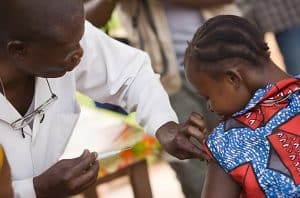
MSD has been actively involved in supporting national immunization programs across 25 countries in Sub-Saharan Africa, targeting girls aged 9 to 14 years. Mjekula emphasized, “Our commitment is not fulfilled until the vaccines reach the arms of the girls.” Vaccination against HPV is essential, as it can lead to a significant reduction in the incidence of cervical cancer.
Prof. Hannelie Meyer detailed the specifics of HPV vaccination, saying, “All available HPV vaccines target high-risk types 16 and 18, responsible for cervical cancers, head and neck cancer, and anal cancers.” She reinforced the importance of vaccinating not just girls but also boys, stating, “HPV vaccination is crucial for everyone.”
Research has shown that the HPV vaccine provides high levels of protection against cervical cancer. Prof. Meyer cited evidence from multiple studies, stating, “HPV vaccines have demonstrated almost 100% protection against persistent infections with HPV types covered by the vaccine.” This protection leads to significantly reduced risks of developing cervical and other related cancers.
Tackling Vaccine Hesitancy
Despite the proven benefits of vaccination, public hesitancy remains a significant barrier. Prof. Meyer reported alarming statistics showing a decrease in confidence in vaccines following the COVID-19 pandemic. “In South Africa, confidence in childhood vaccines has dropped to only 62%,” she noted. “Vaccine hesitancy is a very complex phenomenon that requires targeted education to combat misinformation and build trust.”
To combat these challenges, the roundtable participants emphasized the need for comprehensive educational campaigns to inform communities about the benefits and safety of the HPV vaccine. “Building awareness is paramount,” Dr. Essoh concluded. “We must work collectively to dispel myths and ensure that accurate information reaches the public.”
A Call to Action
The insights shared during this HPV Media Roundtable served as a rallying call to action. With substantial statistics illustrating the urgency of the cervical cancer crisis in Sub-Saharan Africa, experts urged policymakers, healthcare workers, and community leaders to come together to enhance vaccination coverage and screening initiatives.
About The Author


SUBSCRIBE TO OUR NEWSLETTER