Kenya and Finland Call for Continued Support for Somalia’s Peace Process

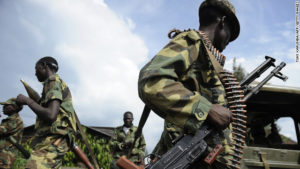
Tuesday, June 17, 2025 – The governments of Kenya and Finland have strongly emphasized the urgent need to sustain international support for Somalia’s peace process, particularly as peacekeeping forces begin to draw down amid ongoing efforts to stabilize the country.
This commitment was reaffirmed during a high-level consultative meeting between Kenya’s Cabinet Secretary for Foreign and Diaspora Affairs, Musalia Mudavadi, and the President of Finland, Alexander Stubb, held at the historic Kultaranta residence as part of the annual Kultaranta Talks in Naantali.
In a press statement, Minister Mudavadi stated that their discussions focused on the evolving security landscape across Africa, with a particular emphasis on the Horn of Africa.
“We underscored the critical importance of reinforcing international support for Somalia’s peace process, especially in light of the phased withdrawal of ATMIS troops and the escalating challenges in the region,” Mudavadi said.
Both leaders reaffirmed their commitment to strengthening global cooperation, promoting African-led solutions, and supporting regional institutions such as the East African Community (EAC), the Southern African Development Community (SADC), and the Intergovernmental Authority on Development (IGAD) as essential pillars for sustainable peace.
They also discussed the value of engaging seasoned experts to advance dialogue and foster long-term stability in the region.
President Stubb assured Kenya that the European Union remains committed to supporting African regional institutions dedicated to achieving lasting peace and security on the continent.
This issue comes at a time when the countries that previously funded the African Union peacekeeping mission have reduced or scaled down their support.
Security experts around the world—especially those who analyze conflict situations in Africa—have stated that Somalia should be supported in building its own security forces so that it can take responsibility for securing its own country, instead of spending large sums of money on foreign troops. They argue that these foreign troops have been in Somalia for a long time, yet there is little visible or tangible progress to show for it.
About The Author


SUBSCRIBE TO OUR NEWSLETTER