U.S. Strengthens Security and Economic Ties Across Africa

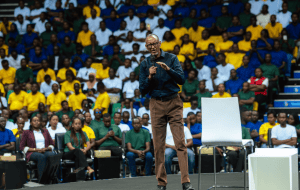
Lieutenant General John W. Brennan, AFRICOM’s Deputy Commander
By Ange de la Victoire DUSABEMUNGU
07/28/2025 — In a significant virtual press briefing, senior leaders from U.S. Africa Command (AFRICOM) outlined ongoing efforts to bolster security cooperation and promote stability across Africa. Hosted by the Africa Regional Media Hub, the briefing featured Lieutenant General John W. Brennan, AFRICOM’s Deputy Commander, and Ambassador Robert Scott, Deputy Commander for Civil-Military Engagement.
During the session, officials highlighted recent visits to Angola and Namibia—long-anticipated trips that reinforced U.S. commitment to Africa’s security and economic development. Brennan highlighted how these visits strengthened relationships with regional partners and emphasized that all training and engagements are Africa-led, emphasizing a shared approach that avoids perceptions of neocolonial influence often associated with other global powers like Russia and China.
Ambassador Scott stressed the interconnectedness of security and economic prosperity, giving examples such as Namibia’s Walvis Bay port development and Angola’s Lobito Corridor. These projects, supported by U.S. initiatives, aim to facilitate regional trade and strengthen infrastructure while enhancing maritime security and regional stability.
Journalists’ questions focused on the scope of U.S. engagement. Officials underscored AFRICOM’s support for regional cooperation mechanisms like the Yaoundé Code of Conduct, designed to help African countries manage maritime security and combat illegal fishing.
The briefing also emphasized ongoing counterterrorism efforts, particularly in Somalia. Scott confirmed that the U.S. remains deeply involved — training Somali forces to counter al-Shabaab and ISIS — with plans to delegate more operational responsibilities to Somali authorities to enable them to better defend their country.
Regarding misinformation campaigns, Brennan stated that AFRICOM prioritizes transparency and working with allies to counter false narratives spread through social media, especially those deployed by Russia and China to influence African perceptions.
Officials announced plans to expand joint military exercises and high-level security dialogues across the Southern Africa Development Community (SADC). Events such as the Chiefs of Defense Conference and regional maritime exercises are part of this strategy to increase African participation and regional security cooperation.
In closing, leaders reaffirmed that the U.S. under the Trump administration’s policy continues to support African-led security solutions. Their focus remains on empowering local institutions, fostering regional stability, and promoting mutual prosperity—goals central to U.S.-Africa relations.
This administration’s policy of partnership, sovereignty, and security continues to shape U.S. strategic engagement across the continent, emphasizing collective action and long-term stability.
About The Author


SUBSCRIBE TO OUR NEWSLETTER