War in DRC Leaves Residents of Rubavu with Trauma and Growing Mental Health Challenges

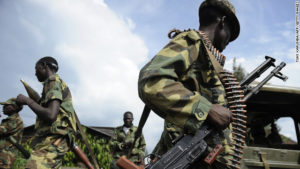
As the ongoing conflict between FARDC and M23 rebels persists for over four years, many residents of Rubavu District report suffering from trauma and mental health issues. These challenges have deeply impacted communities in Gisenyi and Rubavu sectors, eroding the peaceful life they once knew.
Before the war, residents say, they conducted cross-border trade in the DRC without fear, their children attended school without gunfire threatening their safety, and social relationships thrived. However, since the conflict erupted, many have faced poverty, fear of cross-border threats, and witnessed gunfire—experiences that have left them traumatized, with symptoms of mental illness.
Those willing to share their stories are often left with unresolved questions about how to manage the economic losses they suffered—some invested in trade, only to see their earnings evaporate amid violence and instability. Poverty, trauma, and fear have compounded, resulting in widespread mental health struggles.
Several residents and community leaders from Gisenyi and Rubavu have spoken to IGISABO, underscoring the profound personal and communal losses caused by the war. Many agree that the trauma and economic hardship have significantly affected their well-being.
Victims Share Their Stories
Uwera Marita (name changed for privacy), from Gisenyi Sector’s Mbugangari Village, has depended on cross-border trade—importing shoes and clothes from Congo and selling them in Rwanda—for 15 years. The war, however, has shattered her livelihood, leaving her battling trauma.
“I supported my six children through trading goods from Congo, and life was good. But since the war started, I’ve become like a madwoman. I can’t go back to my business, and I spend days wondering what tomorrow holds. Sometimes I talk to myself, unable to sleep,” she shares. She recalls the theft of goods by Congolese traders when she lacked resources, which still haunts her.
Similarly, Musoni Théogène from Rubavu Sector has lost all his savings after pulling his children out of school due to lack of funds. The financial devastation led to mental health issues, including symptoms of anxiety and depression. Despite these struggles, he hides his chronic bronchitis, even when unwell.
Muhizi, a retired Rwandan Army soldier from Gisenyi, recounts how fear persists among those affected by the conflict, especially amid continual threats of attack and rumors of invasion from Congo. “Many of us are scarred by fear and heartbreak,” he explains, adding that the government’s reassurance about national security provides some relief.
Rukebesha Innocent from Kigali’s Kimisagara neighborhood recently borrowed money to expand his vehicle spare parts business in Goma. The war drove him out of Goma, and he worried about repaying his bank loan. Now, with stability restored, he feels confident about resuming work and repaying his debt: “The war caused so many problems, but now that peace has returned, I believe I can rebuild my business.”
Rising Mental Health Concerns in the District
Health professionals and counselors observe an increase in mental health issues linked to the ongoing conflict. Uwamahoro Fabien, Social Welfare Officer in Gisenyi, notes that cases of mental illness have risen, mainly due to fear, loss of business, and displacement caused by the war.
“There has been a significant increase in people seeking help. As the conflict wanes and border activities gradually resume, we expect more individuals to experience trauma-related issues,” he observes.
At Gacuba 2 Health Center, Mental Health Officer Akilimali Charles reports ongoing efforts to assist those suffering from mental health problems caused by these upheavals. “We’re advising patients on coping strategies, but the number of cases remains manageable for now,” he explains. Data from Gisenyi Hospital indicates that 89 patients, including children, have sought mental health care related to war trauma.
Mrs. Godeberita Uwizeyimana, head of mental health at Gisenyi Hospital, states that while it’s difficult to directly link all mental health cases to the war, the prevalence of trauma and stress symptoms is evident. “A recent study highlighted various stressors—including family conflicts and economic hardships—that stem from the ongoing situation,” she says.
Lack of Formal Research
Rubavu Mayor Prosper Murindwa admits that no formal research has been conducted to directly quantify the mental health impact of the conflict. “We recognize these issues exist, which is why we’ve designated trained staff at health facilities to support affected individuals,” he states.
Experts note that mental health is characterized by how individuals think, feel, behave, and cope with life’s challenges. Symptoms such as depression, anxiety, insomnia, withdrawal, or unusual behaviors can impair daily functioning and social relationships.
About The Author


SUBSCRIBE TO OUR NEWSLETTER