Rwanda Sets the Stage for ASEA 2025 With Ambitious Capital Market Innovations

As Rwanda prepares to host the 28th African Securities Exchanges Association (ASEA) Annual Conference from November 26 to 28 in Kigali, the country is using the continental gathering to spotlight new reforms aimed at boosting market liquidity, widening the issuer base, and accelerating Africa’s journey toward integrated and self-sustaining capital markets.
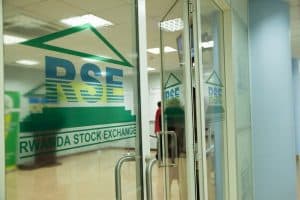
The conference, hosted by the Rwanda Stock Exchange (RSE) for the second time, will bring together representatives from at least 28 stock exchanges, covering more than 2,000 listed companies and over $2.5 trillion in market capitalization.
The gathering comes shortly after Rwanda concluded its 2025 Capital Market Issuer Roadshows, a nationwide effort to encourage more enterprises to raise long-term capital through the market.
A Continent Still Listing Less Than One Company a Year

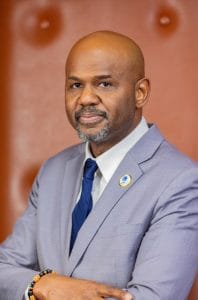
ASEA President and RSE CEO Pierre Celestin Rwabukumba said the Kigali meeting comes at a crucial moment, as African markets continue to grapple with persistent challenges including low listings, weak liquidity, limited savings, and a slow shift toward equity financing.
“We don’t have enough companies listed… In Rwanda, we only have 10. On the continent, outside South Africa, countries list on average less than one company per year,” he noted.
Rwabukumba added that with market capitalization in most African economies still below 50 percent of GDP Rwanda stands at around 30 percent the continent risks depending heavily on foreign ownership and external borrowing unless local participation grows.
“Our savings level in Rwanda is less than 15 percent. That tells you we are bankrupt as a country. We must increase our savings and invest in these instruments,” he said.
Rwanda to Unveil Ambitious Market Innovations

Kigali will also use the ASEA conference to showcase several reforms positioning the Rwanda Stock Exchange among the continent’s more forward-looking bourses. A major milestone is the approval of hard currency denominated instruments, which will allow companies to raise funds in foreign currencies and enable investors to buy products that offer protection from exchange rate fluctuations. Rwabukumba described the move as innovative, noting that only a handful of African markets offer similar opportunities.
The conference will further introduce the Pan Africa ESG Awards, designed to highlight companies and individuals demonstrating leadership in environmental, social, and governance practices across the continent. In addition, the RSE will unveil a Green Exchange Window, a dedicated platform for sustainable financing products including green bonds and sustainability linked instruments. Rwanda has already raised more than Rwf 70 billion through such products, signalling both market interest and readiness to scale sustainable financing.
Mindset Shift Needed for SME Financing and Equity Culture
Rwabukumba said the conference will encourage countries to rethink how entrepreneurs finance growth. He noted that most African businesses still rely heavily on bank loans, while equity financing remains underutilized.
“In our part of the world, people have not really developed the equity culture. Debt is fine, but it’s not all,” he said.
Delegates from Jamaica are expected to share how capital markets helped the Caribbean nation accelerate SME growth and promote collective investment, offering lessons for African markets.
CMA Rwanda Growing Faster Than Older Markets

Thapelo Tsheole, CEO of the Capital Market Authority, said Rwanda’s capital market continues to expand rapidly despite its young age. Established in 2007, the market has recently recorded strong performance, including record turnover, rising indexes, and growth in licensed intermediaries.
“Rwanda’s capital market is backed by strong GDP growth of about 7 percent, which supports the expansion of the market,” he said.
Tsheole added that Rwanda’s growth rate compares favourably with older markets, and that the country’s development model is proving more efficient.
Africa Still Trades More With the World Than With Itself
Tsheole also highlighted the need for deeper regional integration, noting that intra Africa trading among stock exchanges remains below 1 percent. Most transactions still go to international markets instead of African peers.

“Rwanda is strategically positioned to exploit regional potential, 400 million people, large GDP, and many companies. But most transactions still go outside Africa,” he observed.
A Call to Action Own African Economies
Both leaders framed the Kigali conference as a pivotal moment for African markets to reduce dependency on external financing and build stronger domestic participation.
“We have the people, the rules, and the platforms,” Rwabukumba said. “Why don’t we utilize them? Africans must own their economies.”
For Rwanda, hosting ASEA is not only an opportunity to convene the continent’s market leaders, but also a chance to assert itself as a regional capital market hub and a driving force behind innovative, sustainable, and inclusive financial sector development.


About The Author


SUBSCRIBE TO OUR NEWSLETTER