Rising Malaria Cases in Gikomero Trigger Urgent Community Awareness Drive

Health officials are sounding the alarm over a sharp rise in malaria cases in Gasabo District, blaming community complacency and persistent misconceptions for undermining prevention efforts.
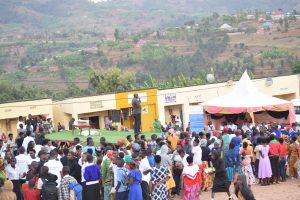
The concerns were raised during an outreach awareness campaign held on November 25, 2025, at Gikomero Football Ground, targeting “easy to reach” high-risk groups such as boarding school students, miners, rice farmers, hotel staff, and security personnel.
READ ALSO: Rwanda Reignites Fight Against Malaria on World Malaria Day
The event was organized by the Rwanda NGOs Forum on HIV AIDS and Health Promotion in partnership with the Rwanda Biomedical Centre and with support from the Global Fund. The campaign aimed to strengthen early care seeking, promote the use of Long Lasting Insecticidal Nets, and highlight the critical role of community health workers in malaria prevention.
National Trends Show Mixed Progress
Globally, malaria remains a major threat, with the World Malaria Report 2024 estimating 249 million cases in 2022, up from 247 million in 2021. Africa continues to bear 94 percent of global cases and 95 percent of malaria deaths, with children under five representing 80 percent of these fatalities.

Rwanda has made progress in reducing its overall malaria incidence. The Annual Parasite Incidence dropped from 47 to 45 cases per 1,000 people between FY2022–2023 and FY2023–2024. Twenty-seven of 30 districts remained below the threshold of 100 cases per 1,000 people.
However, national data also show troubling signs. Uncomplicated malaria cases declined slightly from 622,900 to 613,415 last year, yet severe malaria cases rose by 50 percent, reaching 1,969 in FY2023–2024. Malaria deaths also increased from 51 to 67, marking a 23 percent rise.
READ ALSO: Rwanda to Introduce New Household Testing Strategy to Curb Malaria Spread
Officials say these figures highlight the need to strengthen prevention and ensure early care seeking in high-burden communities such as Gikomero.
Gikomero Among Sectors With Alarming Rise
According to recent surveillance by the Rwanda Biomedical Centre, Gasabo has consistently remained among districts with the highest malaria incidence in Rwanda since late 2024. Gikomero, which had previously been stable after receiving Indoor Residual Spraying, is now back among the top five high burden sectors.

“Since December, Gasabo District has repeatedly ranked first in malaria cases,” said Leoncie Kankindi, the RBC Coordinator overseeing Gasabo, Gicumbi, Rulindo and Bugesera.
Kankindi attributes the resurgence to reduced vigilance among residents, despite the fact that most people already know the correct prevention practices.
“Many people know what to do, but when malaria cases start declining, complacency sets in,” she said. “We intensified mobilization and strengthened clinical services, but community responsibility remains essential. Prevention begins with every individual.”
She noted that many residents still believe the government will provide mosquito nets to all households, a misconception that is affecting prevention.
“Today, only a few categories qualify for net distribution. With indoor spraying, many mosquitoes bite outdoors, so personal preventive behavior is even more important,” Kankindi added.
Gasabo Recorded Eleven Thousand Cases in Four Months
District officials also shared worrying figures.

“From July to October alone, Gasabo recorded around eleven thousand malaria cases,” said Elene Nyiranyamibwa, the Head of Health Promotion and Disease Prevention in the district. “The trend is deeply concerning. That is why campaigns like this one are crucial, especially starting from grassroots levels.”
Nyiranyamibwa said Gikomero’s resurgence despite indoor spraying coverage shows the importance of following recommended prevention practices and seeking treatment as soon as symptoms appear.
“We urge residents to follow all malaria prevention methods, but above all to seek medical care early to avoid complications,” she emphasized.
Health Workers Struggling With Supply Gaps
At community level, frontline health workers are witnessing the impact of the rising cases.
Consesa Kiberinka, a Community Health Worker at Gikomero Health Center, said malaria is particularly widespread among people living near wetlands and rice fields, which are known mosquito breeding areas.

“On average, I receive about two malaria patients a day, but in other villages community health workers may see five or six,” she said.
Although CHWs manage a large share of uncomplicated malaria cases nationwide, stockouts of testing kits and medication remain a recurring challenge.
“Sometimes patients arrive and we do not have the supplies. When medicines run out, we wait for new stock, but delays affect the community,” Kiberinka noted.
She also said many residents need new mosquito nets.
“People tell us their nets are worn out and no longer effective. They need replacements.”
A Nationwide Strategy Targeting High Risk Groups
The outreach aligns with national efforts to reach high risk populations including students, farmers, miners, hotel workers, security officers, healthcare personnel and refugees. This follows a comprehensive Roll Back Malaria assessment that identified gaps in prevention among these groups.

Through demonstrations, artistic performances and peer led education, the campaign in Gikomero emphasized proper net use, environmental sanitation, early diagnosis, and the crucial role of community health workers.
The Rwanda NGOs Forum, acting on recommendations from the Country Coordinating Mechanism, will continue implementing targeted interventions across the country to strengthen malaria prevention in high incidence sectors.
A Call for Shared Responsibility
As Rwanda works to bring malaria incidence under control, health officials stressed that government interventions alone are not enough.
“The government has invested heavily in indoor spraying, long lasting nets and treatment, but the strongest weapon is still the community’s behavior,” Kankindi reminded participants.
For Gikomero, where incidence stands at roughly 29.8 cases per one thousand people, the renewed focus on awareness may determine whether the sector can reverse its upward trend and prevent more severe cases and deaths.


About The Author


SUBSCRIBE TO OUR NEWSLETTER