Musanze Authorities Credit Small Livestock Programme for Improved Child Nutrition

Authorities in Musanze District say targeted investment in small livestock farming has played a key role in reducing child stunting, as the district records a 14 percent decline in stunting rates over the past five years.
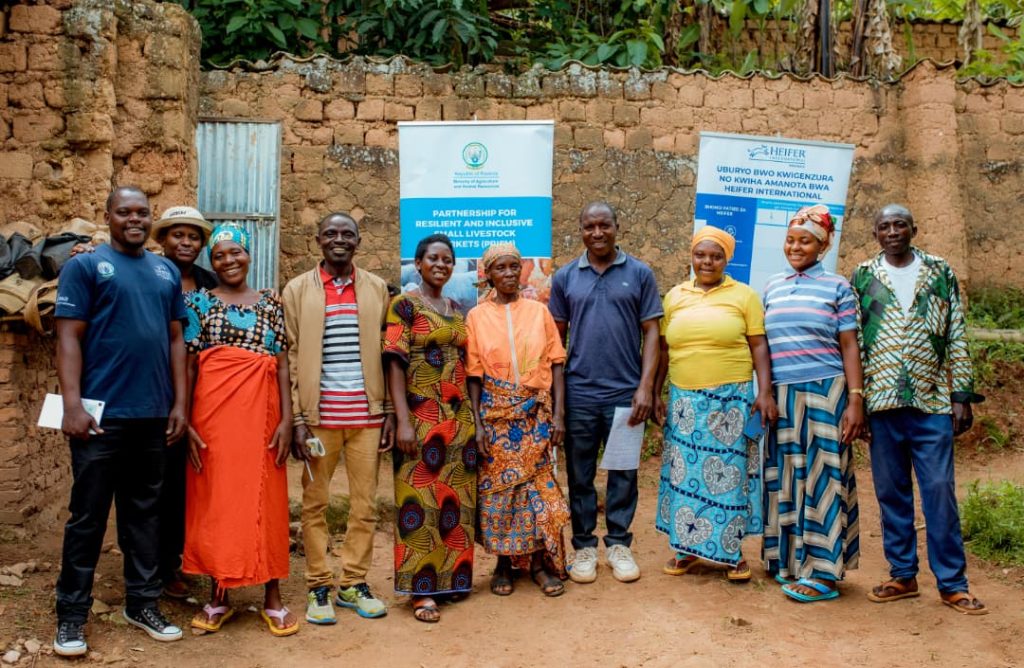
According to district leadership, the reduction from 45 percent in 2020 to 31 percent today is closely linked to household-level nutrition and income interventions implemented under the Partnership for Resilient and Inclusive Small Livestock Markets (PRISM) project.

Musanze District Mayor Claudien Nsengimana said the approach has shifted nutrition efforts away from short-term support toward sustainable family production systems.
“In the last five years, we have reduced child stunting by 14 percent. While the progress is encouraging, 31 percent remains high. That is why we have renewed our collaboration with PRISM so that in the next phase we can reduce it by another 14 or even 20 percent,” Nsengimana said.
Small Livestock, Big Household Impact
Under PRISM, 16,508 small livestock animals have been distributed to vulnerable households in Musanze District, giving families access to animal protein and new income streams. The distribution included 14,590 chickens, 1,020 goats, 594 pigs, and 304 sheep.
District officials say poultry, particularly egg-laying chickens, has proven most effective in improving child nutrition, as eggs are affordable, locally available, and easy to integrate into daily meals.
Beyond nutrition, authorities note that small livestock farming has also helped strengthen household cooperation and reduce domestic conflicts, as families jointly manage animal care and food planning.
From Dependency to Self-Reliance
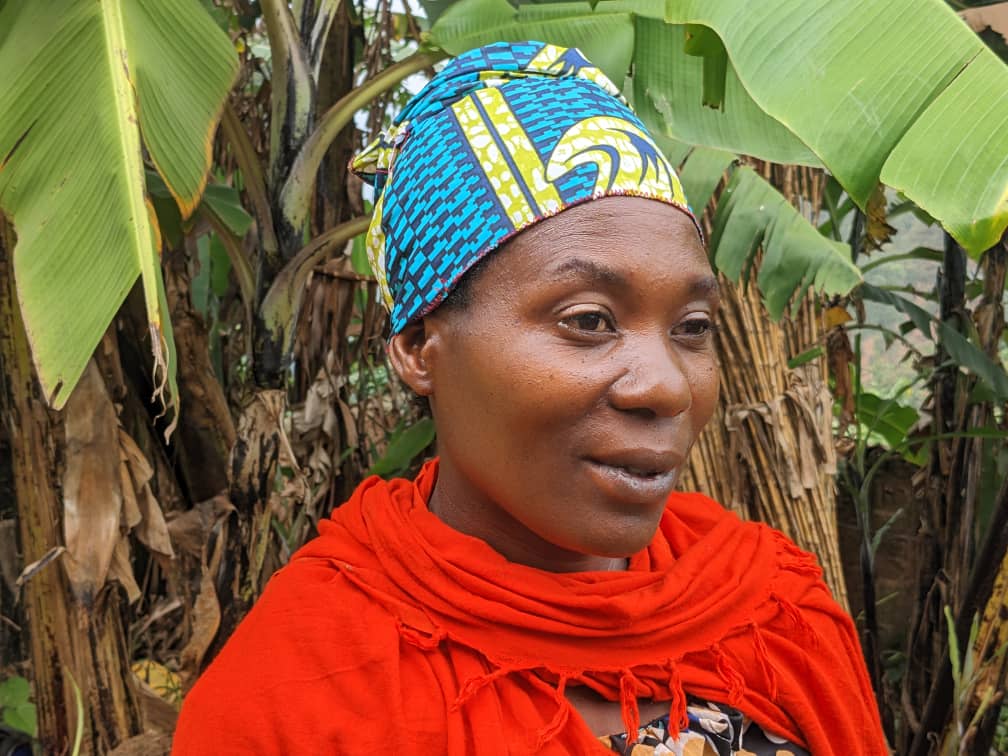
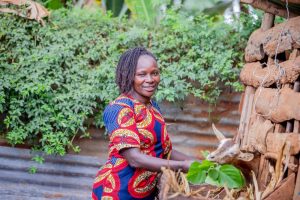
For residents like Florence Mukandayisenga from Kigabiro Cell in Gashaki Sector, the programme marked a turning point.
“My child was stunted because I did not know how to feed him properly,” she said. “After receiving training on balanced diets and being given chickens, my child’s health improved.”
Mukandayisenga received ten egg-laying chickens, allowing her to feed her children regularly while selling surplus eggs to generate income.
“Now my child is five years old and healthy. Some eggs we eat, others I sell. The money helps me meet other household needs,” she added.
Another resident, Chantal Nikuze, said the benefits extend beyond children.
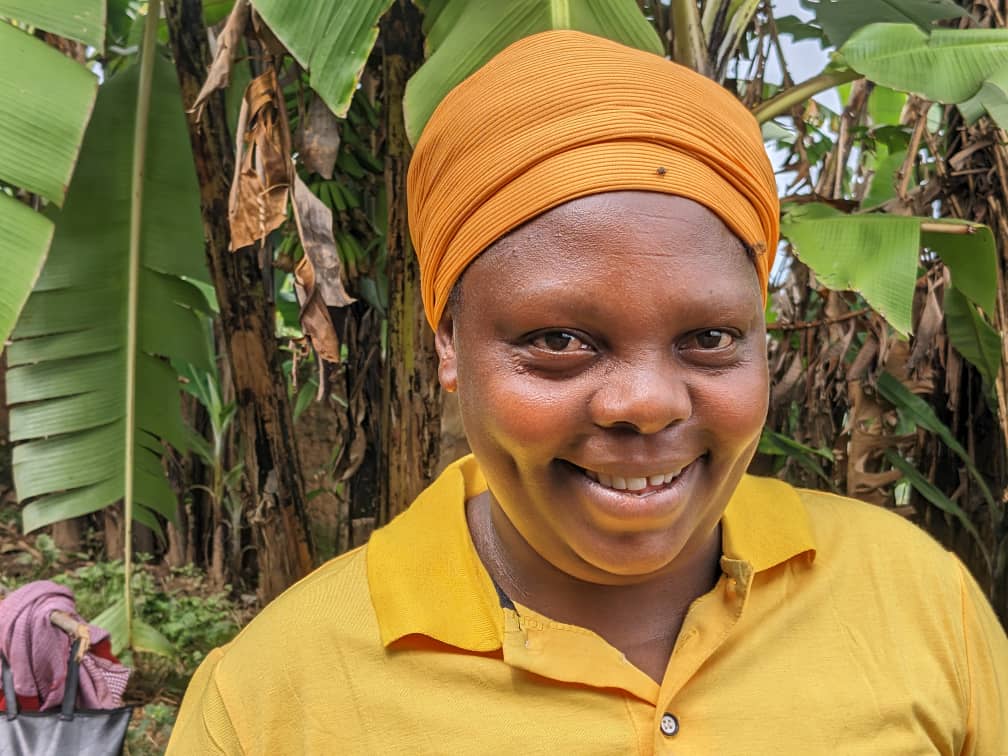
“Even adults now eat eggs,” she said. “Before, buying an egg for 200 francs felt expensive. Today, I produce them myself.”
Infrastructure Supporting Nutrition Goals
In addition to livestock distribution, PRISM has invested over 500 million Rwandan francs in Musanze District, supporting infrastructure critical to small livestock markets. These include a livestock market in Muhoza Sector, a small livestock veterinary clinic in Nkotsi Sector, and water harvesting facilities for beneficiaries.
District authorities say the infrastructure has improved animal health, reduced losses, and increased household productivity.
Scaling Up a Proven Model
PRISM operates in 15 districts nationwide, focusing on four value chains: poultry, pigs, goats, and sheep. The project is funded by the International Fund for Agricultural Development (IFAD) and implemented by the Rwanda Agriculture and Animal Resources Development Board (RAB).
Following early results, the programme is expected to receive a three-year extension and an additional USD 25 million to expand coverage and infrastructure.
For Musanze District, officials say the next phase will focus on reaching more vulnerable households and deepening nutrition education.

About The Author


SUBSCRIBE TO OUR NEWSLETTER