M23 REBELS WITHDRAW FROM KEY POSITIONS IN EASTERN DRC AS PEACE ACCORDS TAKE HOLD

M23 REBELS WITHDRAW FROM KEY POSITIONS IN EASTERN DRC AS PEACE ACCORDS TAKE HOLD
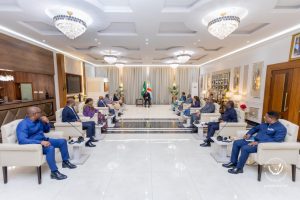
KIGALI – In a significant step toward regional stability, the M23 rebel group, officially known as the March 23 Movement, has begun withdrawing from several strategic positions in the eastern Democratic Republic of the Congo (DRC). The move follows a high-level diplomatic breakthrough in Washington, D.C., where Rwandan and Congolese delegations reached a renewed commitment to de-escalate the long-standing conflict.
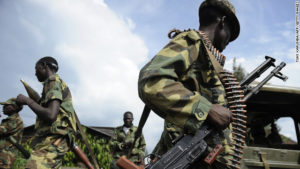
Reports from North Kivu province on March 27, 2026, confirmed that M23 fighters—acting under the banner of the Congo River Alliance (AFC)—have vacated nearly 10 villages in the Lubero and Walikale territories. Local sources and security officials observed the rebels moving out of towns such as Kipese, Lunyasenge, and Vukununu, reportedly regrouping toward the Rutshuru region. While no immediate violence accompanied the pullout, the rapid reoccupation of these areas by local “Wazalendo” armed groups has raised concerns among residents regarding the continued absence of official state authority.
This withdrawal is a central pillar of the “Washington Accords,” a peace framework brokered by the United States that was reaffirmed during ministerial talks on March 17–18, 2026. Under this agreement, Rwanda has committed to a “scheduled disengagement” and the lifting of “defensive measures” in defined areas of Congolese territory. In exchange, the DRC government has pledged time-bound and intensified efforts to neutralize the FDLR, a militia group that Kigali views as a primary security threat.
The implementation of these measures follows months of intense international pressure, including targeted U.S. sanctions imposed in early March against the Rwanda Defence Force (RDF) and senior military officials. The United Nations Security Council also recently renewed the mandate for its peacekeeping mission, MONUSCO, while explicitly calling for the immediate withdrawal of all foreign forces and an end to external support for the M23.
While the current withdrawal from South Kivu towns like Uvira and North Kivu villages marks a tangible shift on the ground, diplomats remain cautiously optimistic. The focus now shifts to whether the DRC can fulfill its commitments to neutralize the FDLR and whether the M23 will complete a full pullout from mineral-rich territories it has occupied for over a year. For millions of displaced civilians, these “coordinated steps” represent the most promising path toward a lasting ceasefire in one of Africa’s most volatile regions.
About The Author


SUBSCRIBE TO OUR NEWSLETTER