The Real Gap in Conservation Is Not Action — It Is How Impact Is Positioned

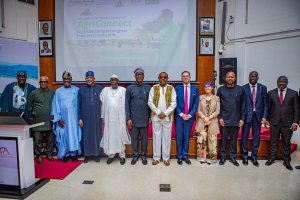
IUCN Rwanda joined Government of Rwanda to celebrate international day of Forests, Water and Meteo
In today’s climate and biodiversity crisis, one reality is becoming increasingly clear: the success of environmental action is no longer determined solely in the field, but in how that action is communicated, understood, and positioned.
Across Africa, significant conservation work is taking place. Projects are being implemented, partnerships are being formed, and measurable results are being achieved. Yet many of these efforts struggle to gain the visibility and recognition required to influence policy, attract funding, and scale impact.
This is where the role of narrative becomes decisive.
Among global institutions, the International Union for Conservation of Nature (IUCN) stands out not only for its technical leadership, but for its ability to consistently translate complex environmental frameworks into clear, actionable narratives. Its approach offers an important lesson for both conservation actors and the media.

, emphasized IUCN’s unwavering commitment to supporting communities and districts in the creation of resilient and sustainable cities
When the IUCN introduced the updated Global Standard for Nature-based Solutions, the conversation was not limited to technical guidelines. It was framed around urgency, equity, scalability, and financing — elements that resonate beyond experts and speak directly to decision-makers. Similarly, calls for a deeper integration between urban development and nature reflect a shift from abstract concepts to strategic positioning.
This ability to connect global frameworks with real-world relevance is not accidental. It reflects a deliberate effort to ensure that environmental action is not only implemented, but also understood and supported at scale.
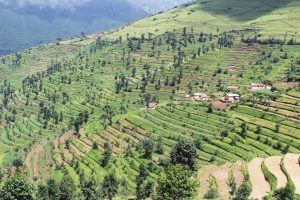
At the same time, effective conservation communication must move beyond global discourse and anchor itself in tangible, localized impact. Across Rwanda and the region, partnerships involving institutions such as the Rwanda Water Resources Board, conservation organizations, and private sector actors are piloting solutions that demonstrate how environmental restoration can be linked to economic value and community resilience.
However, without clear and strategic visibility, these initiatives risk remaining isolated examples rather than scalable models.
This is a growing challenge across the sector.
Many organizations continue to communicate their work through activity-based reporting, focusing on what has been done rather than what it means. In a rapidly evolving funding and policy environment, this approach is no longer sufficient.
What is required is a shift toward impact positioning — the ability to frame projects within broader conversations around climate resilience, economic transformation, and sustainable development.
The IUCN’s continued evolution also highlights another critical dimension: adaptability. From inclusive conservation frameworks to new approaches in species protection and community engagement, environmental action is increasingly intersecting with social, economic, and political realities. Communicating these intersections effectively is essential to maintaining relevance and attracting support.
For media platforms, this creates a clear responsibility.
The role of environmental journalism is no longer limited to reporting events. It is about translating complexity into clarity, connecting local action to global priorities, and ensuring that impactful work is visible to those who can support and scale it.
At Top Africa News, this is the lens through which we approach conservation coverage — not simply to document initiatives, but to position them within a broader ecosystem of stakeholders, partners, and opportunities.
Because in today’s development landscape, impact alone is not enough.
Impact must be seen.
Impact must be understood.
And ultimately, impact must be positioned.
About The Author


SUBSCRIBE TO OUR NEWSLETTER