Beyond the Boardroom: How Rwanda’s Economic Boom is Transforming Local Communities

When we think of annual economic reports, we often picture dry statistics, spreadsheets, and corporate boardrooms. However, woven through the pages of the Rwanda Development Board’s (RDB) 2025 Annual Report is a profound human story of community empowerment, female entrepreneurship, and citizens directly reaping the benefits of their nation’s growth.
At the heart of this transformation is Rwanda’s innovative approach to its booming tourism industry. In 2025, the country welcomed nearly 1.5 million visitors, generating a remarkable USD 685 million in revenue. But rather than these funds remaining solely in government or corporate coffers, Rwanda’s Tourism Revenue Sharing Programme ensures that 10% of all revenues from protected areas are channeled directly back into the hands of local residents.
During the 2024–2025 cycle alone, RWF 4.7 billion was reinvested into 82 community projects. For families living near Rwanda’s famous wildlife reserves, this means new schools for their children, modern health facilities, clean water systems, and better roads. Around the Volcanoes National Park, the RDB and the African Wildlife Foundation have even established a new Agriculture Hub, training local households in modern farming practices to provide sustainable, alternative livelihoods.
Because of these initiatives, local citizens have become the ultimate stewards and protectors of Rwanda’s natural heritage. This collective community effort was celebrated on the global stage during the 20th edition of Kwita Izina, the revered mountain gorilla naming ceremony. This year, 40 baby gorillas were named in a celebration that specifically honored the local communities, researchers, veterinarians, and rangers who dedicate their lives to protecting the animals.
The human impact of Rwanda’s economic strategy extends well beyond its national parks and into the everyday workforce. The influx of foreign private capital is creating a shift toward higher-productivity employment for everyday Rwandans. In 2024, foreign investment supported over 69,000 jobs, with the number of local skilled technicians more than doubling in just one year.
Furthermore, the face of Rwandan business is increasingly female. As the nation experiences a surge in entrepreneurial activity, women are leading the charge. In 2025, an inspiring 55% of all registered individual enterprises were owned by women, while 35% of limited liability companies featured female majority shareholding.
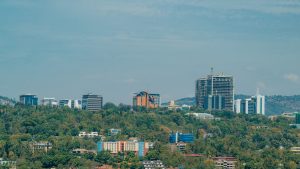
Ultimately, the figures in the 2025 report tell a story of a nation building a sustainable future. Whether it is through the construction of a new 1,935-meter adventure zipline in Nyungwe National Park or the opening of high-end hotels in Kigali, Rwanda’s growth strategy ensures that economic milestones translate into real, life-changing opportunities for its people.
About The Author


SUBSCRIBE TO OUR NEWSLETTER