Spiro Rwanda Bets on Affordability, Innovation and Battery Swapping to Accelerate Electric Mobility
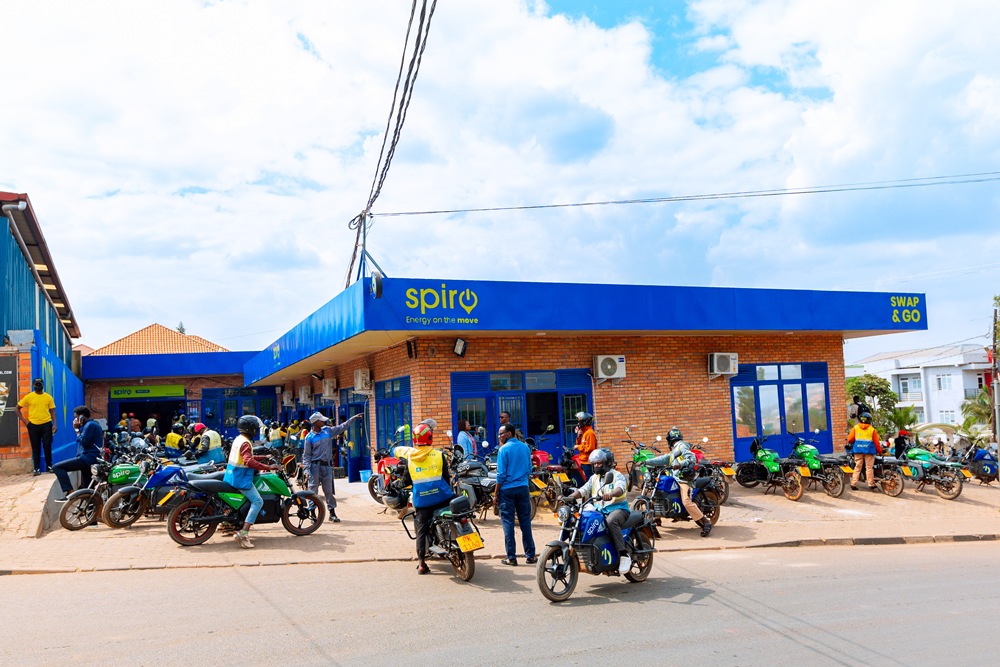
Spiro mega station, Kigali
As Rwanda continues to position itself as a regional leader in sustainable transport, electric motorcycles are rapidly transforming the country’s commercial mobility sector. Spiro Rwanda, one of Africa’s leading electric mobility companies, has played a significant role in this transition through affordable electric motorcycles, an expanding battery-swapping network, and digital technologies designed specifically for African riders.
In this exclusive interview with TOP AFRICA NEWS, Amit Chawla, Managing Director of Spiro Rwanda, explains how the company is making electric mobility more accessible and cost-effective for riders, addressing concerns around battery availability, expanding its battery-swapping infrastructure, investing in local assembly and technical skills, and introducing innovations that will shape the future of clean transportation in Rwanda and across Africa.

Spiro mega station, Kigali
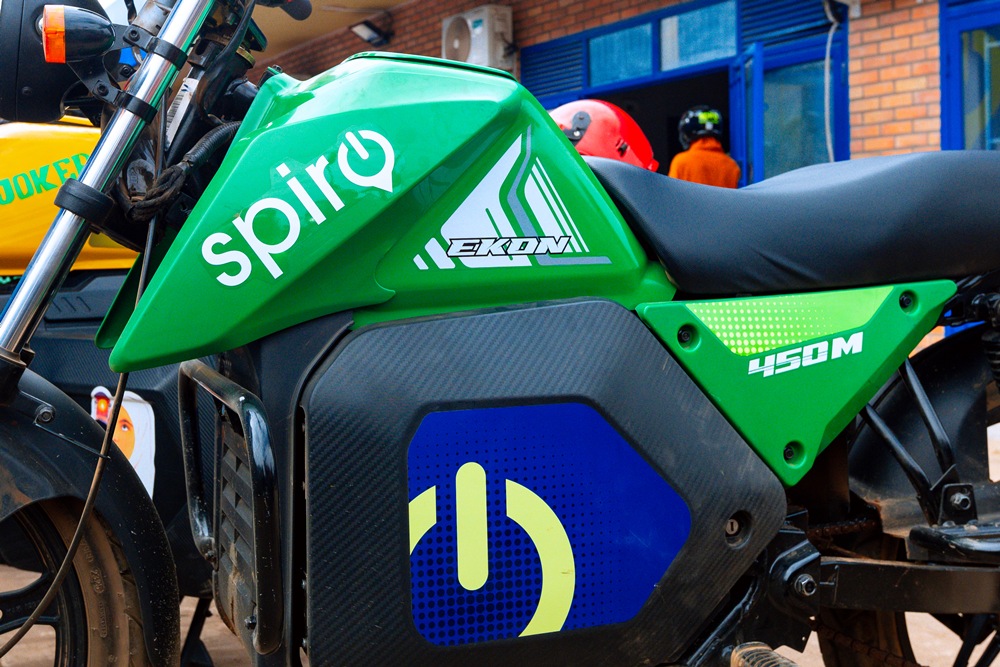
| How is Spiro tailoring its electric motorcycles and digital solutions to meet the specific needs and affordability requirements of Rwandan consumers? Our approach is simple: the right product, for the right market, at the right price. We design our motorcycles for African riders and operating conditions rather than importing models built for other markets. Affordability is central to that strategy: our electric motorcycles start from around USD 1000, while operating costs are typically 20–40% lower than petrol alternatives, allowing riders to save USD 1–2 per day. Beyond the vehicle itself, we have built a complete digital and energy ecosystem. Our IoT Hub gives riders real-time monitoring of battery performance and connects data across batteries, stations and chargers, while Spiro Maps provides 3D navigation that helps riders locate nearby swap stations and lets local businesses list themselves to attract traffic. In Rwanda, that combination is working, electric now represents around 90% of motorcycle sales, and we hold close to 90% of that. What concrete steps is Spiro taking to expand battery-swapping infrastructure to ensure it is as accessible and convenient as traditional refueling for everyday riders? The comparison with refuelling is exactly the standard we hold ourselves to. A rider deposits an empty battery, leaves with a full one, and pays instantly online, in 2 minutes. Spiro is expanding and strengthening its battery-swapping network across Rwanda. Spiro Rwanda has deployed more than 28,000 electric motorcycles supported by more than 350 battery-swapping stations. In Kigali, we are developing Mega Stations in high-demand areas. These facilities offer greater charging and swapping capacity and are intended to reduce congestion, shorten waiting times and improve battery availability. The mega stations can charge 300-700 batteries at a go. So far, we have already launched 6 mega stations. We are also improving the distribution of batteries across stations and monitoring demand at each location. Our goal is to make battery swapping faster, more predictable and increasingly as convenient as traditional refuelling. We have noted some past complaints from clients regarding battery range or station availability; could you detail how these concerns are being addressed and what percentage of these issues have been successfully resolved? Over the past few years, Spiro has worked to perfect its product offer and develop a sustainable battery as a service model. We have witnessed strong enthusiasm for EV mobility: once ICE riders try EV and overcome anxiety range, they are convinced by our products. Being able to respond to the enthusiasm and vote of confidence of our riders is one of the key drivers of our last funding round. Creating new battery swapping stations requires a high amount of investment to finance these heavy infrastructures. We are working to expand further the number of stations in our 7 markets while pursuing our aggressive innovation strategy, relying in particular on our R&D teams in India and Africa. We will unveil new products within the upcoming months and are working on innovative partnerships around batteries performances. How do Spiro’s locally assembled motorcycles contribute to lower maintenance costs and better long-term value for Rwandan commercial riders? Local assembly matters for a rider’s wallet in two concrete ways. First, spare parts: our Ekon series offers spares up to 35% more affordable than comparable alternatives, and because we assemble locally and continue to increase local value creation across Africa, parts are closer to riders and less exposed import costs and supply-chain disruptions. Second, serviceability: a bike is only a good long-term asset if it can be maintained, which is why we’ve invested heavily in after-sales support and technician training. Through Spiro Academy and partnerships with local institutions, more than 4,000 people were trained across Africa in 2025 alone in areas such as EV maintenance and battery management. For a commercial rider, that means lower running costs, typically around 30% lower than petrol alternatives, less downtime and a vehicle that delivers strong long-term value because it can be serviced quickly and reliably. Beyond environmental impact, what financial incentives or consumer-focused programs are in place to encourage a faster transition from petrol to electric motorcycles? The financial case is the strongest incentive we have. Buying an ICE bike in many markets means high financing costs because lenders cannot easily track or recover the asset. An electric bike is connected and trackable, allowing riders to repay through small daily installments linked to usage rather than a large monthly payment. This significantly reduces financing risk and helps make ownership more accessible. On top of that, our bikes cost less upfront and cut total cost of ownership by 20 to 40%, saving one to two dollars a day. We also build programmes around economic empowerment. Riders who save enough can buy additional bikes, start a franchise, or invest in our service stations and dealerships – turning a rider into an entrepreneur. And in Rwanda specifically, we signed a Memorandum of Understanding with Entrepreneurial Solutions Partners to launch the Women in E-Mobility initiative, which expands women’s access to electric motorbikes, financing solutions, technical training and entrepreneurship support. Our focus is therefore to combine affordable energy access, a dependable swapping network and accessible customer support. Based on consumer feedback in Rwanda, what upcoming innovations can customers expect to see that will further improve the user experience and reliability of electric mobility? Our immediate priorities are to expand high-capacity Mega Stations, improve battery availability and strengthen demand-based battery distribution across the network. We are also improving digital monitoring of battery performance, station demand and service requirements. This should help our teams identify problems earlier and respond more quickly. Customer feedback will continue to guide improvements in motorcycle performance, customer support and after-sales service. Our goal is not simply to increase the number of electric motorcycles on the road, but to build a dependable mobility system that riders can trust every day. We have just acquired Coexlion, a top-tier UK-based EV engineering firm, and we are setting up our first dedicated African engineering hub in Kenya, which means our R&D goes specifically toward designing vehicles that better reflect African riders needs and operating conditions. |
About The Author


SUBSCRIBE TO OUR NEWSLETTER