NAP Expo 2026 Opens in Kigali With Call for Climate Plans to Become Funded Action
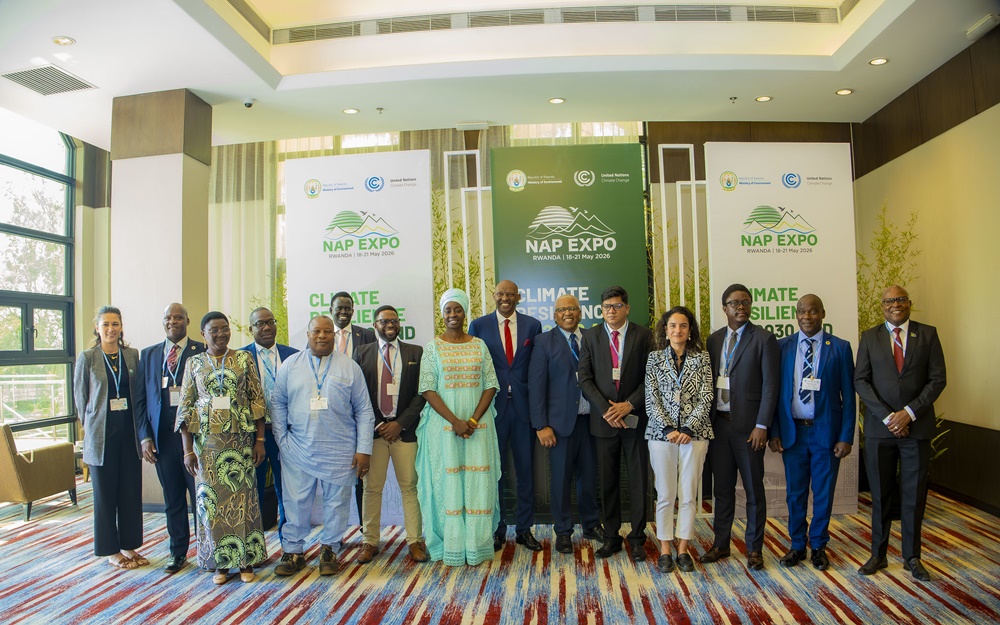
Countries attending the 11th Global National Adaptation Plan (NAP) Expo 2026 in Kigali have been urged to move beyond climate planning and focus on securing financing and implementing adaptation projects as the impacts of climate change intensify worldwide.
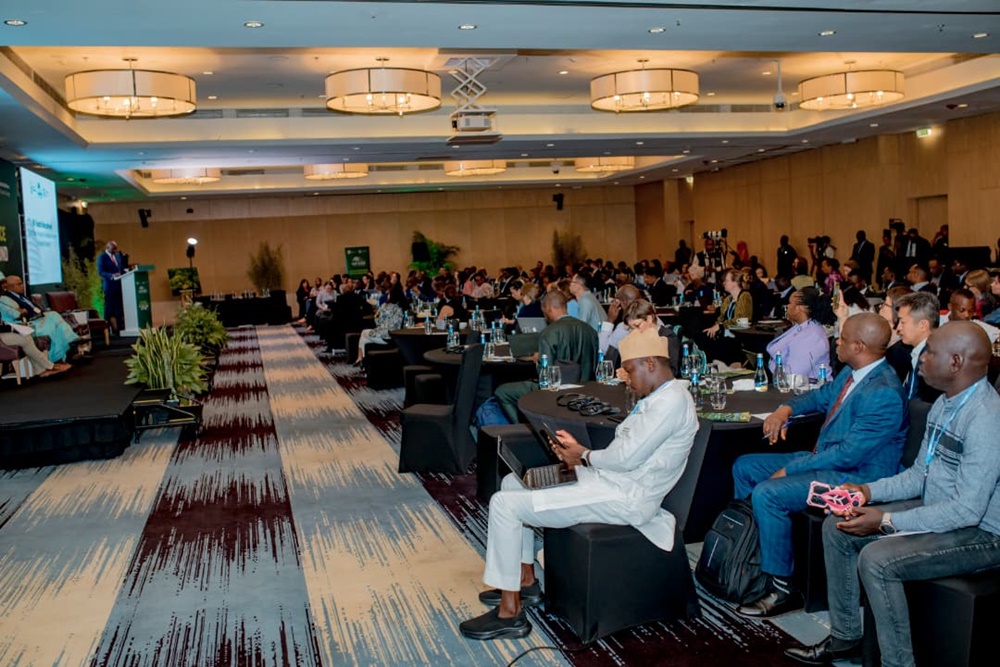
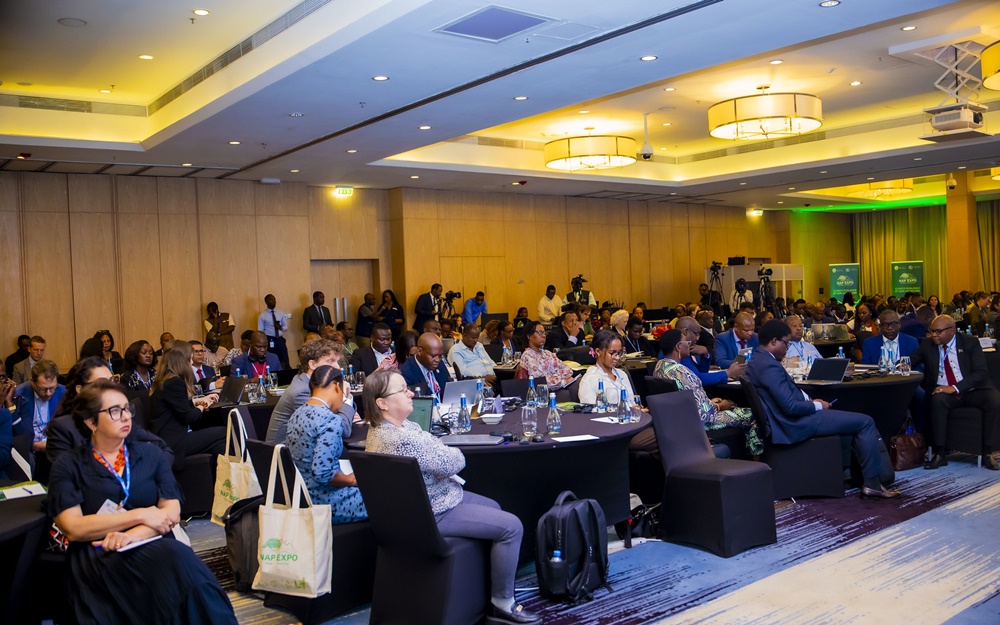
The four-day Expo, underway in Kigali, Rwanda from May 18–21, has brought together government officials, climate experts, development partners, researchers and financiers to explore how countries can strengthen resilience and turn adaptation strategies into concrete investments.

In his opening remarks, Faustin Munyazikwiye, Deputy Director General of Rwanda Environment Management Authority (REMA), said adaptation must now shift from policy discussions to practical implementation capable of protecting livelihoods, ecosystems and economies.
“As climate impacts intensify worldwide, national adaptation plans remain critical tools for integrating resilience into national development planning and investment,” Munyazikwiye said.
He noted that Rwanda has placed climate resilience at the center of its national development agenda through initiatives including Vision 2050, the country’s revised Nationally Determined Contributions (NDC 3.0), the National Adaptation Plan and the Green Growth and Climate Resilience Strategy.
According to Munyazikwiye, Rwanda’s updated climate commitments aim to reduce net greenhouse gas emissions by 53 percent by 2035 while strengthening adaptation efforts across sectors such as agriculture, water resources, forestry, urbanization, health, transport and disaster risk reduction.
He said the country is already implementing large-scale adaptation projects, including the restoration of major wetlands in Kigali and the development of the Nyandungu Eco-Park, which combines environmental conservation with ecotourism and urban resilience.
“So this Kigali wetland restoration on 491 hectares is vital and one of the concrete initiatives. We have Nyandungu urban wetland ecotourism park on 120 hectares. Without means of implementation, the NAP and other good strategies we have will just be strategic documents without implementation,” he said.
Munyazikwiye emphasized that one of the key objectives of the Expo is to help countries transform their national adaptation plans into bankable projects capable of attracting climate finance.
“We need to take this opportunity and make sure that we match national priorities with finance,” he added.
Climate finance emerged as one of the dominant themes during the opening session, with speakers warning that developing countries continue to face major funding gaps despite growing climate risks.
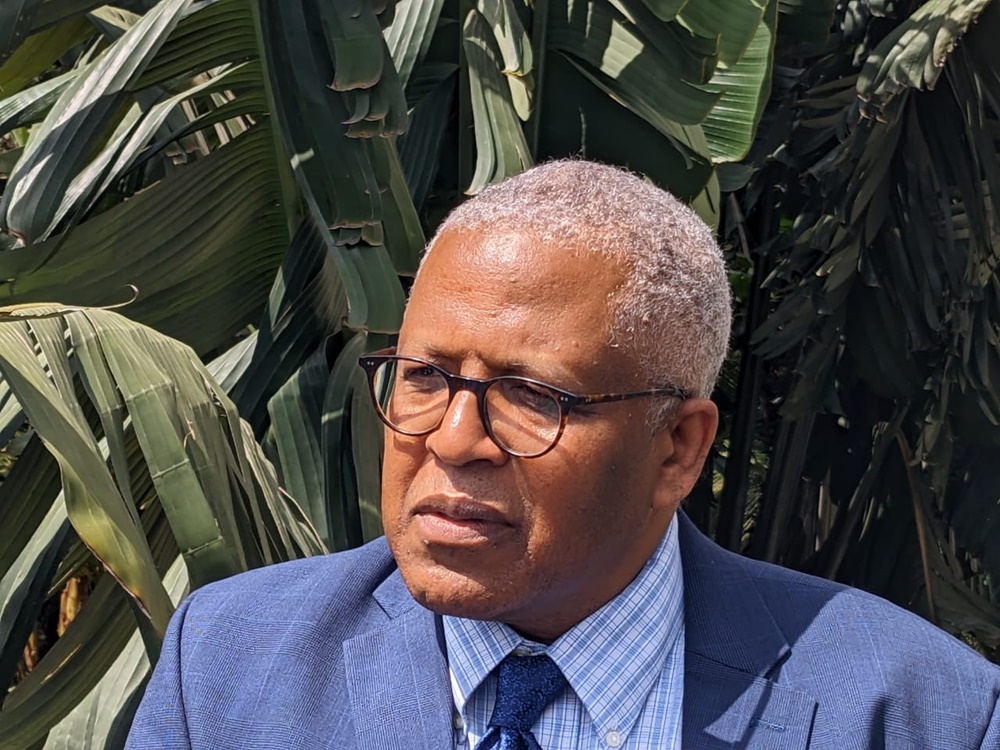
Dr. Paul Desanker, Manager of the Response Subdivision at the United Nations Framework Convention on Climate Change (UNFCCC) Secretariat, said many countries are now entering a new phase focused on implementation after years spent developing adaptation plans.
“We’re transitioning into implementation of those plans. We’re looking forward to countries coming forward with concrete proposals and then for funders and partners to interact with them and agree to work together,” Desanker said.
He acknowledged that accessing climate finance remains a complex and lengthy process for many developing nations, particularly least developed countries and small island developing states that often lack technical capacity.
However, he pointed to Rwanda’s establishment of the Rwanda Green Fund as an example other countries could learn from.
“Rwanda has succeeded in going beyond public funding from international sources to create a national fund to address these needs,” he said.
Desanker added that African-led initiatives are increasingly helping countries build the expertise needed to prepare proposals and access international climate funding mechanisms.
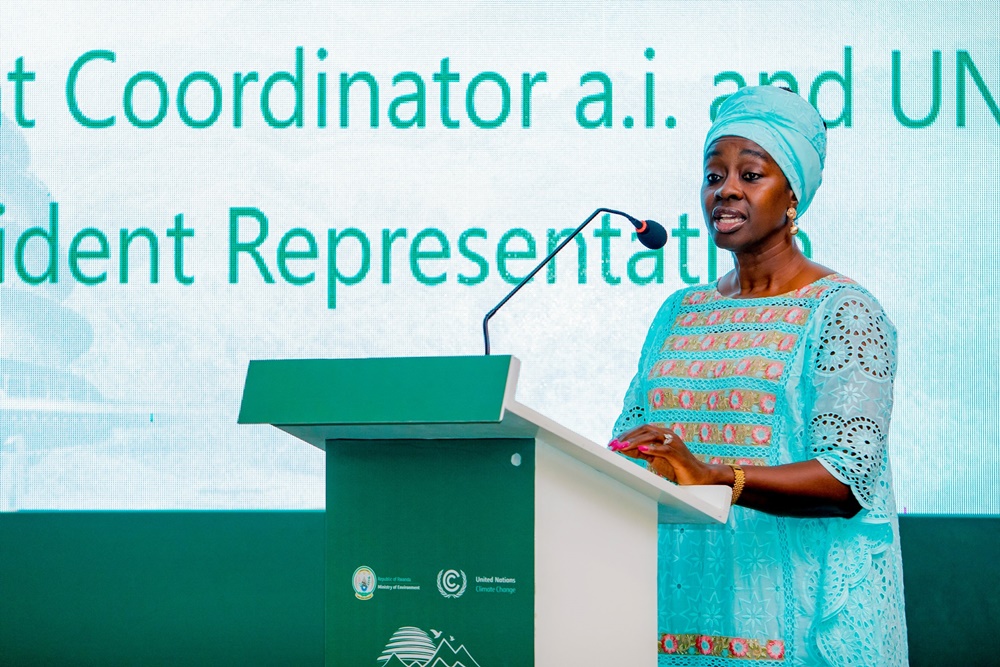
The UNDP Resident Representative in Rwanda, Dr. Fatmata Lovetta Sesay, warned that current global adaptation financing remains far below what developing countries require to cope with climate impacts.
Citing the 2025 Adaptation Gap Report, she said developing countries are expected to need between $310 billion and $365 billion annually by 2035 to close the adaptation financing gap, more than 12 times the current level of international public adaptation finance.
“Climate finance is not growing at the scale or speed needed to protect developing countries and their most vulnerable populations,” Sesay said.
She called on participants to use the Expo as a turning point for accelerating implementation and scaling up climate resilience investments beyond 2030.
“We must use this NAP Expo as a pivotal moment to shift from planning to implementing at scale, building a durable foundation for climate resilience beyond 2030,” she said.
The Global NAP Expo is organized under the framework of the UNFCCC and serves as a platform for countries to exchange experiences, showcase adaptation solutions and strengthen partnerships aimed at addressing growing climate vulnerabilities.
About The Author


SUBSCRIBE TO OUR NEWSLETTER