Faith, Fire, and Freedom: Remembering the Uganda Martyrs
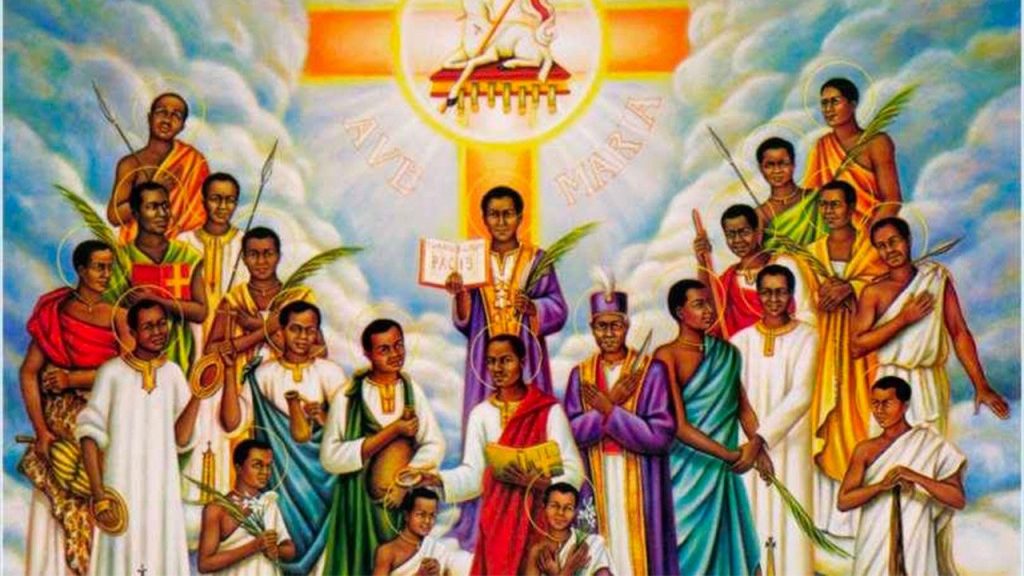
Every year on June 3, millions of pilgrims from across the globe trek to the Namugongo shrines in Uganda to honor a group of young men who chose death over denying their faith. This year’s event may be postponed due to Ebola outbreak in the region.
The story of the Uganda Martyrs is a profound tale of courage, religious conviction, and political clash that permanently altered the cultural and spiritual landscape of East Africa.
In the late 19th century, Christian missionaries—both Catholic and Anglican—arrived in the Kingdom of Buganda, quickly gaining converts among the young pages in the royal court.
King Mwanga II, who ascended the throne in 1884, grew increasingly threatened by this new religion, viewing it as a tool for European colonization that undermined his absolute royal authority.
The tension reached a breaking point when the young converts, driven by their new faith, began refusing to participate in traditional rituals and rejected the king’s sexual advances, challenging the established social order.
Between 1885 and 1887, King Mwanga ordered the execution of dozens of young Christians, culminating in the horrific events of June 3, 1886, at Namugongo, where Saint Charles Lwanga and his companions were burned alive for refusing to renounce Christianity.
Far from crushing the new movement, the blood of these martyrs acted as a powerful seed for the growth of Christianity in the region, inspiring millions with their unyielding bravery.
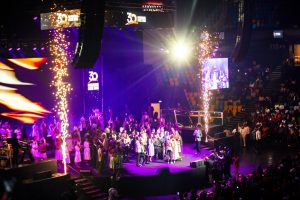
Today, Uganda Martyrs Day has evolved into one of the largest religious gatherings in the world, transforming Namugongo into a sea of faith where pilgrims walk for days or weeks, carrying prayers of hope, unity, and renewal.
About The Author


SUBSCRIBE TO OUR NEWSLETTER