Rwanda Sets Stage for Historic Nuclear Energy Era as First Power Plant Construction Nears Launch
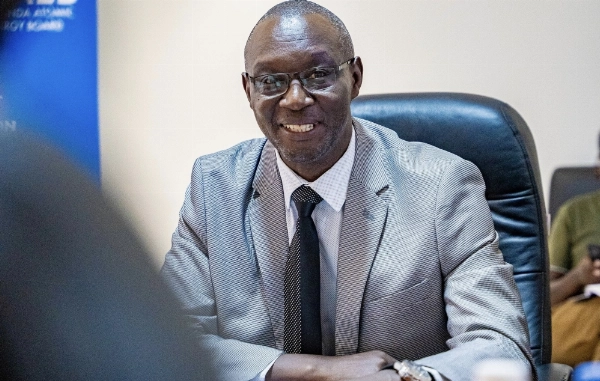
Dr. Fidele Ndahayo, Director General of the Rwanda Atomic Energy Board (RAEB)
Rwanda is positioning itself to become one of Africa’s emerging nuclear energy pioneers after announcing that construction of its first-ever nuclear power plant could begin within the next two years, marking a bold step toward transforming the nation’s energy landscape and accelerating economic growth.
The revelation was made by Dr. Fidele Ndahayo, Director General of the Rwanda Atomic Energy Board (RAEB), during a major continental consultative forum organized in collaboration with the United Nations Economic Commission for Africa on May 16, 2026.
The high-level gathering brought together policymakers, scientists, and energy experts from across Africa to discuss strategies for advancing nuclear energy projects capable of powering industrialization and strengthening energy security on the continent. For Rwanda, the meeting marked another decisive milestone in its ambitious journey toward joining the growing league of nations investing in nuclear-powered electricity.
Dr. Ndahayo explained that building a nuclear power plant requires enormous preparation, advanced technology, strong partnerships, and significant financial investment. He stressed that Rwanda’s vision is not only to generate nuclear electricity but also to ensure local industries and expertise play a central role throughout the implementation process.
According to him, maximizing local participation in the project could stimulate industrial development, create high-value jobs, and contribute significantly to the country’s long-term economic transformation.
African experts also examined one of the biggest challenges facing nuclear projects on the continent financing. Dr. Ndahayo acknowledged that nuclear infrastructure demands billions of dollars in investment, sometimes surpassing the annual national budgets of developing countries.
To address this challenge, UNECA has reportedly conducted studies exploring sustainable financing models that could help African countries mobilize the resources needed to develop nuclear energy infrastructure.
Rwanda’s preparations have already received strong international recognition. Evaluations carried out by specialists from the International Atomic Energy Agency concluded that Rwanda has made remarkable progress in building the technical, institutional, and regulatory capacity required for the peaceful use of nuclear energy.
Encouraged by these findings, Rwanda is now targeting 2028 as the year when actual construction of the nuclear power plant could officially begin.
The RAEB chief further disclosed that six potential sites have already been identified across Rwanda for the future plant. These locations reportedly meet important international safety standards, including adequate water availability, low earthquake risk, favorable terrain, and limited population activity nearby.
Despite the progress, detailed scientific and geological investigations are still ongoing to determine the most suitable location. Dr. Ndahayo emphasized that nuclear facilities require extremely rigorous assessments, including deep underground studies, before any final decision can be made.
Rwanda’s nuclear ambitions are expected to gain even greater momentum as the country prepares to host an international conference on civilian nuclear energy from May 18 to 21, 2026. The event is anticipated to attract global investors, technology providers, and strategic partners who could play a vital role in supporting Rwanda’s historic energy transition.
With its long-term vision focused on achieving reliable, sustainable, and industrial-scale electricity production, Rwanda aims to have a nuclear power plant operational before 2030 a transformative project expected to redefine the country’s future energy capacity and strengthen its position as a regional innovation leader.
About The Author


SUBSCRIBE TO OUR NEWSLETTER