Rebuilding Ties: The Architects of the Renewed Rwanda-France Relationship

Decades after the horrors of the 1994 Genocide against the Tutsi, Rwanda and France have transitioned from a fractured history to a relationship characterized by two nations advancing “hand in hand”.
This unprecedented rapprochement is not the result of a single moment, but the culmination of relentless efforts by a diverse group of architects—from political leaders and local officials to historians, journalists, and civil society advocates.
During the inauguration of the new memorial in Paris, the speeches of Rwandan President Paul Kagame, French President Emmanuel Macron, and other officials highlighted the key figures who constructed this bridge of reconciliation.
The Political Visionaries:
Sarkozy, Macron, and Kagame
The diplomatic thaw at the highest levels of government was a gradual process requiring immense political will to confront uncomfortable historical truths.
- Nicolas Sarkozy: According to President Kagame, the door to truth and reconciliation was “first opened” by former French President Nicolas Sarkozy. During a historic visit to Rwanda in 2010, Sarkozy conceded that France had made “serious mistakes” and was not up to the task of stopping the genocide.
- Emmanuel Macron: President Macron significantly accelerated the healing process. Kagame commended Macron for his “courage and humanity” in taking a risk five years ago by visiting Kigali. During that 2021 visit, Macron acknowledged that France could have stopped the genocide but did not, effectively recognizing the country’s responsibilities. Macron noted that his words in Kigali laid the foundation for the “unprecedented rapprochement” that the two nations share today.
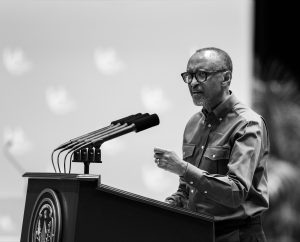
- Paul Kagame: The Rwandan President is also recognized as a vital architect for his willingness to receive France’s admissions and foster a shared journey toward truth. Macron praised Kagame’s deep courage in listening to these acknowledgments and for his ongoing fight to rebuild his nation.
The Champions of Memory: Marcel Kabanda and Ibuka France
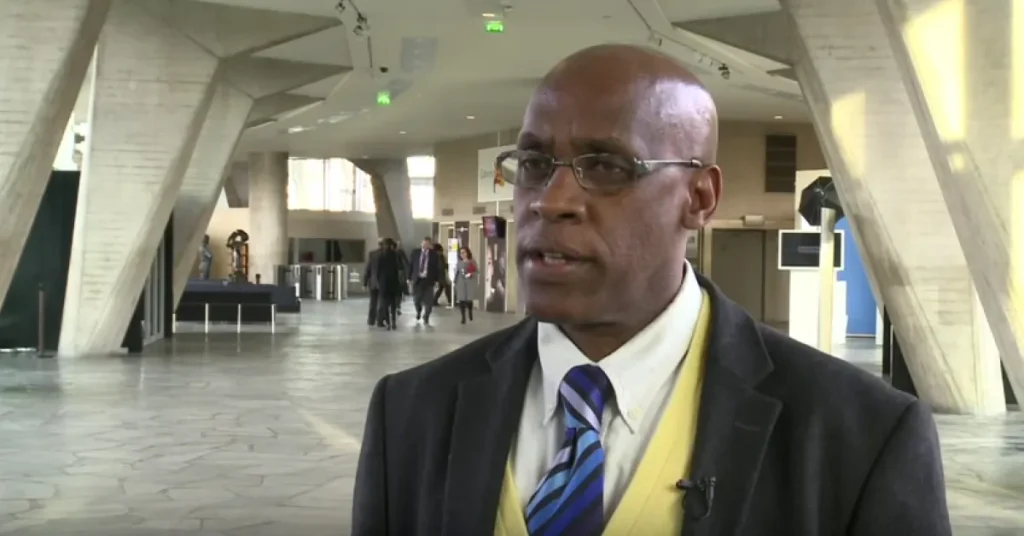
While state leaders forged diplomatic ties, civil society advocates built the essential groundwork of memory and justice. Marcel Kabanda, president of Ibuka France, was highlighted as the foundational pillar of the Paris memorial project. Both Emmanuel Grégoire, representing the City of Paris, and President Macron emphasized that without Kabanda’s unyielding perseverance, the monument would simply not exist. Ibuka France’s relentless work against obscurantism and genocide denial ensured that the victims remained central to the renewed France-Rwanda dialogue.
The Truth Seekers: Historians, Researchers, and Journalists
A lasting diplomatic relationship requires an honest reckoning with history. Both nations relied heavily on the tireless work of truth seekers:
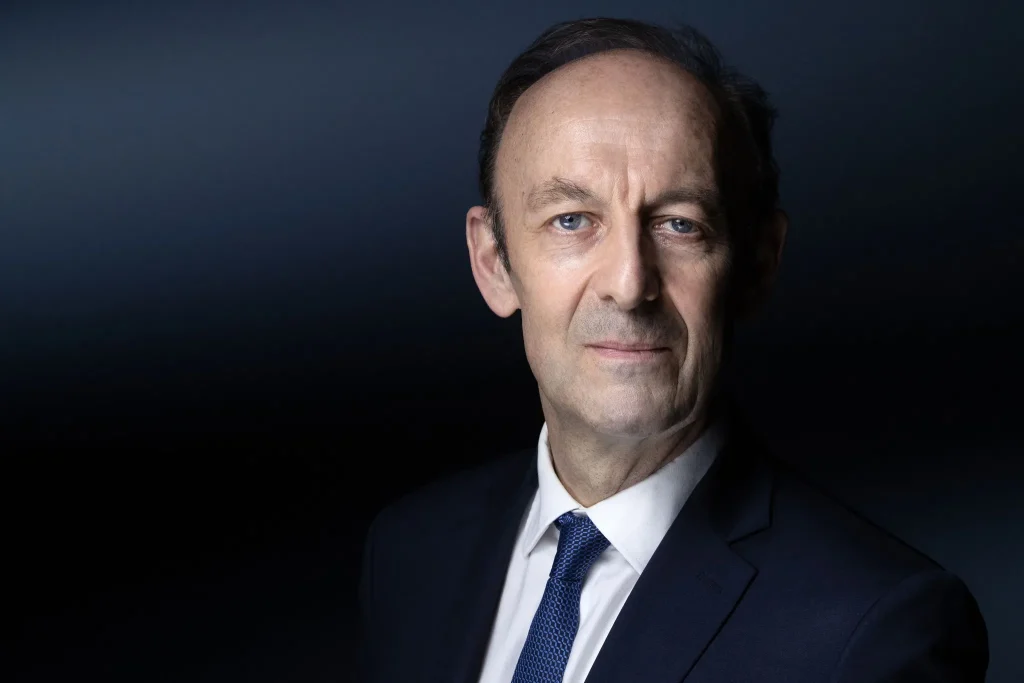
- Vincent Duclert and Historians: President Macron paid special tribute to historian Vincent Duclert and his commission, which rigorously investigated the French archives. The Duclert Commission’s historical research, arriving at similar conclusions as Rwanda’s own independent reports, provided the factual consensus necessary for state-level recognition.
- Journalists and Activists: President Kagame explicitly expressed his gratitude to the dedicated French journalists, activists, and researchers who “never wavered in exposing the truth” over the decades. Their efforts to tell the true story helped save lives and restored dignity to the victims, keeping the pressure on institutions to acknowledge reality.
Local Leadership: The City of Paris
Finally, local French leadership played a vital role in giving this renewed relationship a physical and permanent footprint in the French capital.
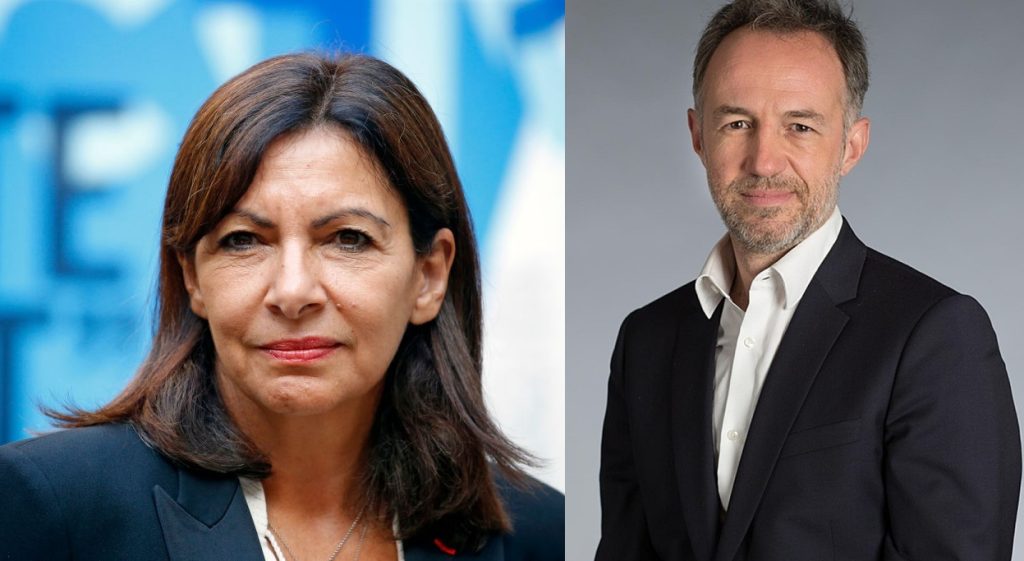
Paris Mayor Anne Hidalgo and First Deputy Mayor Emmanuel Grégoire were instrumental in supporting the memorial project from its inception. Their commitment to giving the monument a place of honor ensures that the 1994 Genocide against the Tutsi is no longer viewed distantly, but is embraced as a “Parisian history” meant to educate future generations.
Through the combined courage of political leaders willing to admit fault, historians dedicated to the archives, and activists refusing to let the victims be forgotten, France and Rwanda have successfully initiated an “irreversible” journey toward truth and mutual respect.
About The Author


SUBSCRIBE TO OUR NEWSLETTER