2.1 Billion People Still Lack Safe Drinking-Water, WHO Warns
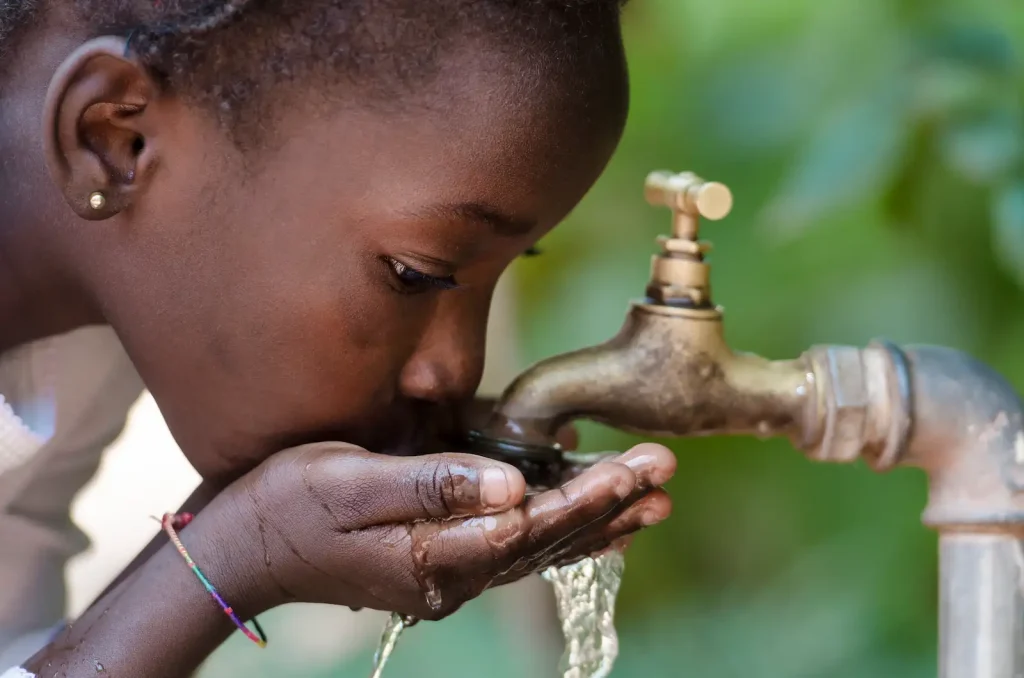
The World Health Organization (WHO) has released updated Guidelines for Drinking-water Quality, providing countries with the latest scientific guidance to strengthen water safety and protect public health.
The revised guidelines come at a time when access to safe drinking-water remains a major global challenge. According to WHO, an estimated 2.1 billion people worldwide still do not have access to safely managed drinking-water services, including 106 million people who rely directly on rivers, lakes and other surface water sources for their daily needs.
WHO says the updated guidelines offer an authoritative framework to help countries improve drinking-water regulations and standards, strengthen surveillance systems and adopt more effective risk management practices.
“Safe drinking-water is fundamental to health, development and human rights,” said Dr. Rüdiger Krech, Acting Director of WHO’s Department of Environment, Climate Change, One Health and Migration.
“These updated Guidelines help countries focus resources where they matter most: preventing contamination, managing risks before they become health threats, and ensuring that all people can rely on drinking-water that is safe,” he added.
The new edition incorporates the latest scientific evidence, implementation experience and lessons learned from countries that have adopted risk-based approaches to drinking-water safety. It places greater emphasis on proactive risk management, particularly for small water supply systems, microbial contamination and selected chemical hazards.
WHO continues to advocate for a preventive, risk-based framework for ensuring drinking-water safety. The framework is built on three key pillars: establishing health-based targets, implementing water safety plans and conducting independent surveillance to verify that safety measures are effective.
The organization noted that governments play a crucial role in creating the regulatory and institutional conditions needed to guarantee safe drinking-water for their populations.
Greater Focus on Water Safety Planning
Water safety plans remain at the heart of WHO’s recommended approach to managing drinking-water risks. The updated guidelines draw on extensive global experience in applying these plans across different environments and water systems.
The revised guidance also clarifies how sanitary inspections can support water safety planning by helping identify hazards and improve monitoring and maintenance activities, particularly in small-scale water supplies that often face greater operational challenges.
Microbial contamination continues to pose the greatest threat to drinking-water safety worldwide. To address this, WHO has strengthened guidance on the management of waterborne pathogens and updated evidence on microbial risks.
The new edition provides clearer information on the role of waterborne disease transmission and highlights potential concerns in health-care facilities. It also introduces new fact sheets covering emerging viruses that may affect drinking-water safety.
Updated Information on Chemical Hazards
The guidelines further update recommendations related to selected chemical risks, including pesticides used in vector control programmes that may affect drinking-water quality.
WHO said the revisions align with the organization’s latest scientific guidance on chemical contaminants and their management.
The updated Guidelines for Drinking-water Quality, Fourth Edition, incorporate the first, second and third addenda and replace all previous versions, including the 2022 edition that integrated the first and second addenda.
WHO expects the revised guidance to help countries accelerate efforts to provide safe, reliable drinking-water and reduce the health risks associated with contaminated water sources.
About The Author


SUBSCRIBE TO OUR NEWSLETTER