Global Farm Incomes to Rise 9% by 2035, but Crises Threaten Gains
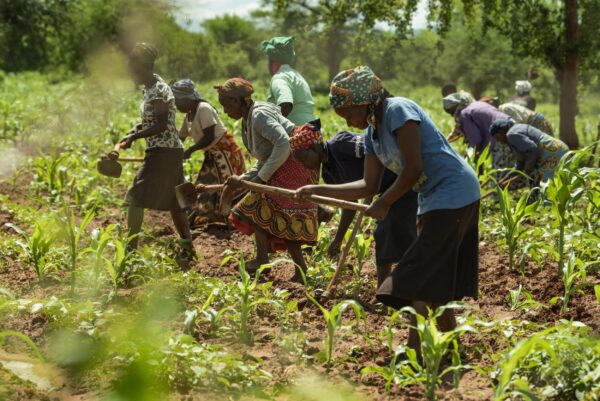
Global average gross agricultural income per worker is projected to increase by 9 percent by 2035, driven by productivity gains and broadly stable agricultural prices, according to a new report by the Food and Agriculture Organization (FAO) and the Organisation for Economic Co-operation and Development (OECD).
However, the report warns that the outlook remains highly vulnerable to market disruptions caused by conflicts, economic crises and rising energy costs, with low-income countries facing the greatest risks to food security.
The OECD-FAO Agricultural Outlook 2026–2035 estimates there is a 25 percent chance that global agricultural incomes in 2035 could fall below current levels if the pattern of shocks experienced in recent years continues.
The report also projects global agricultural and fisheries production to grow by 13 percent over the next decade, mainly through productivity improvements rather than expansion of farmland. Growth is expected to be concentrated in Asia, Sub-Saharan Africa and Latin America.
Despite this positive outlook, temporary shocks could have significant consequences. If the 33 percent rise in global energy prices recorded during the first half of 2026 continues through the rest of the year, global grain production is expected to decline by 0.9 percent in 2027, with low-income countries facing a sharper 1.7 percent drop. Higher production costs would also push up food prices, forcing poorer households to consume less food and switch to cheaper diets.
“Our agrifood systems are under pressure, and our farmers are on the front line of rising energy and fertiliser costs,” OECD Secretary-General Mathias Cormann said, stressing the need for investment in productivity, resilient farming systems and open international markets.
FAO Director-General QU Dongyu said strengthening resilience is essential to protecting global food security. He called for investments in diversified trade routes, regional reserves of agricultural inputs, resilient infrastructure and cleaner energy sources to reduce dependence on oil.
The report notes that productivity gains are expected to keep downward pressure on agricultural commodity prices, benefiting consumers but creating challenges for smallholder farmers who often lack access to technologies needed to improve productivity. It recommends targeted government support to help farmers increase production while improving access to markets.
Sub-Saharan Africa is expected to play a growing role in global agriculture, contributing about 16 percent of additional agricultural production by 2035, up from 11 percent in the previous decade. However, the region is projected to remain among the most vulnerable to food insecurity and external shocks.
The report also forecasts global cereal production to reach a record 3.22 billion tonnes by 2035, while fisheries and aquaculture production is expected to grow by 11 percent, with aquaculture accounting for more than half of global output.
About The Author


SUBSCRIBE TO OUR NEWSLETTER