High Irrigation Water Costs Squeeze Profits for Investors at Rwanda’s Gabiro Agribusiness Hub
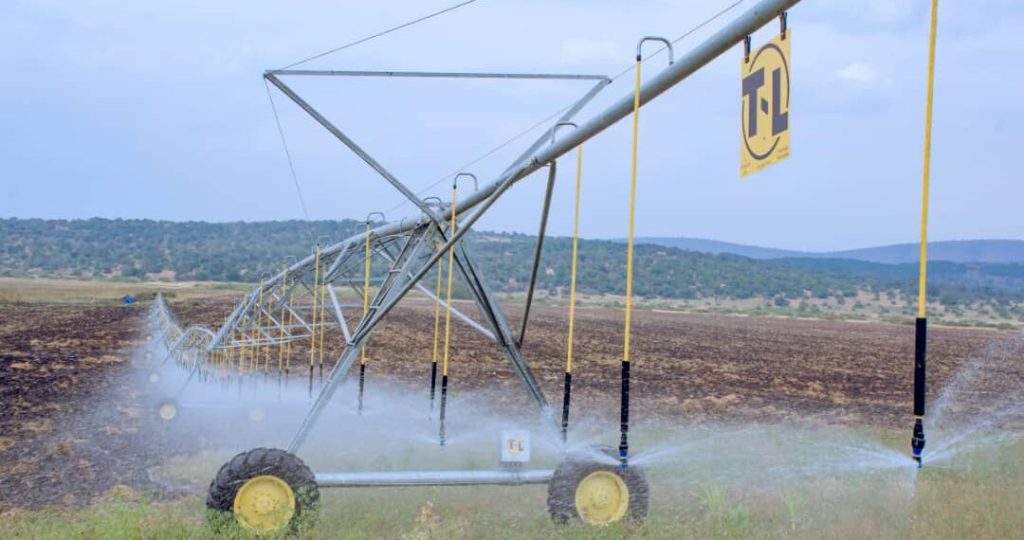
NYAGATARE, Rwanda – Investors operating at the Gabiro Agribusiness Hub in eastern Rwanda have appealed to the government to reduce irrigation water tariffs, saying the high cost of water is eroding profits and undermining the viability of large-scale commercial farming.
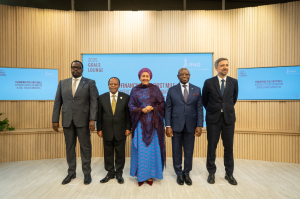
The concerns were raised during a visit by Prime Minister Dr. Justin Nsengiyumva to the irrigation scheme recently as part of his working tour of Nyagatare District. Investors identified expensive water charges as one of the biggest obstacles limiting the competitiveness of their agricultural businesses.
Gabiro Agribusiness Hub is a flagship Government of Rwanda initiative designed to promote modern, large-scale irrigated agriculture. The project provides fully serviced farmland to local and international investors, with a strong focus on producing high-value export crops.
The first phase of the project spans 5,600 hectares, more than 4,000 of which have already been allocated to investors cultivating fruits and vegetables for international markets.
Water for irrigation is pumped from the Akagera River through modern infrastructure, including a 21-kilometre pipeline that distributes water across the farming area. However, despite the availability of the infrastructure, investors say the cost of accessing the service remains prohibitively high.
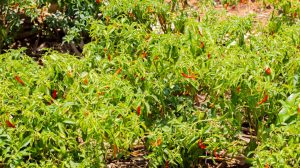
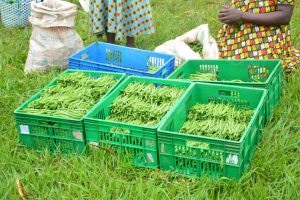
Emmanuel Harerimana, Managing Director of Garden Fresh, which cultivates French beans and chili peppers on more than 180 hectares, said the current tariff of approximately Rwf277 per cubic metre significantly increases production costs.
“We would like the cost of water to be reduced. When you consider the size of our farms and the volume of water required every day, irrigation expenses become extremely high and substantially reduce our profits,” Harerimana said.
Investors also expressed concern that water charges are billed in US dollars, exposing them to exchange rate fluctuations.
Augustin Twagirumukiza, Chief Executive Officer of Agropark Gabiro Ltd, said the cost of irrigating a single hectare can approach Rwf2 million, largely because payments are pegged to the US dollar.
“We are requesting the government to review the water pricing structure or allow investors to participate in managing the irrigation infrastructure so that operating costs can be reduced,” he said.
Minister of Agriculture and Animal Resources Dr. Telesphore Ndabamenye acknowledged the concerns, saying the government will continue consultations with investors and relevant institutions to find sustainable solutions.
“The investors have indicated that water costs are rising. We agreed to assess these costs alongside the returns generated from farming. We will continue discussions on improving productivity per hectare because higher yields translate into greater profitability. Through continued dialogue, we believe we can agree on a fair water pricing model while also addressing the other challenges affecting investors,” the minister said.
The Gabiro Agribusiness Hub has attracted investments exceeding Rwf100 billion. Following the completion of the first phase, authorities plan to launch a second phase covering more than 10,000 hectares, which will be allocated to additional investors as Rwanda seeks to expand commercial agriculture, increase agricultural exports, and accelerate economic growth.
About The Author


SUBSCRIBE TO OUR NEWSLETTER