U.S. Begins Deportations to Liberia Under Third-Country Deal; Some Migrants Diverted to Equatorial Guinea
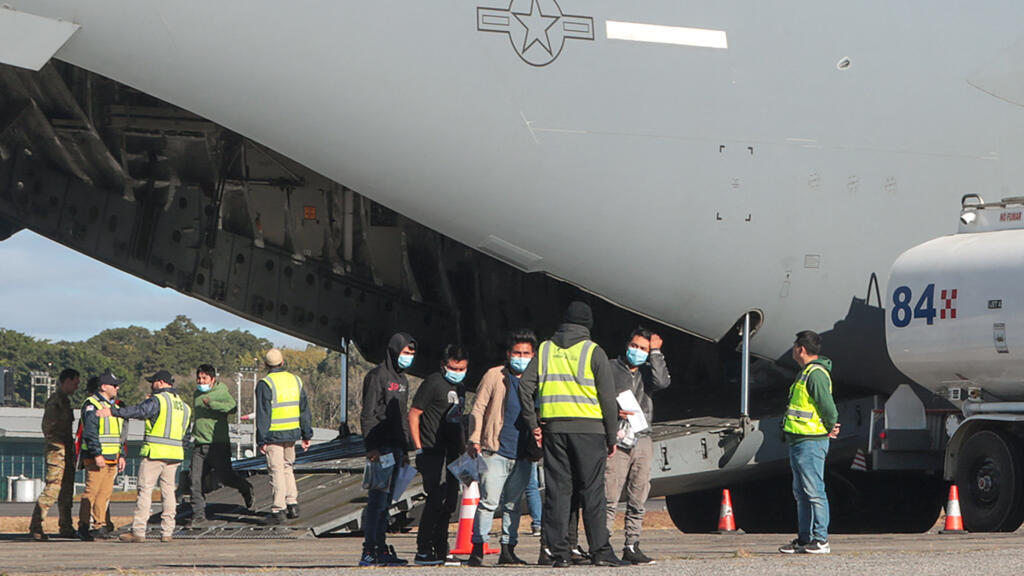
MONROVIA, Liberia — The United States has begun implementing one of its largest third-country deportation agreements with a West African nation, sending an initial group of migrants to Liberia under a pact that could eventually bring up to 1,200 people to the country over the next year.
On Thursday, August 20, 2026, a plane carrying the first wave of deportees landed at Roberts International Airport outside Monrovia. Liberian officials initially announced that 20 people had arrived; subsequent reports indicated that about 15 disembarked while five others refused to leave the aircraft. Those five—described as three Cuban men, one Brazilian man, and one Cameroonian woman—were then flown onward to Malabo, Equatorial Guinea, where they were compelled to disembark.
The arrivals mark the start of an arrangement announced by the Liberian government earlier in the week. Under the deal, Liberia has agreed to accept up to 1,200 third-country nationals—people who are not Liberian citizens—deported from the United States. Liberian Information Minister Jerolinmek Piah stated that most of those transferred are expected to come from Latin American countries, including Venezuela, Cuba, and Colombia, though African nationals may also be included. The deportees will be received as “guests,” allowed to apply for asylum in Liberia, or free to leave the country if they choose, according to official statements.
The flight originated in Louisiana, stopped in Dakar, Senegal, and arrived in Monrovia in the early afternoon before the diverted portion continued to Equatorial Guinea later that evening. The five who resisted reportedly were told they would be returned to the United States but were instead taken to Malabo, where additional deportees are already being held.
The U.S. State Department approved a $5 million payment to Liberia linked to migration management activities. The funding was approved after Liberia indicated willingness to consider accepting migrants from other countries. Liberian authorities have said the arrangement is not a direct quid pro quo and that the support will help strengthen the country’s migration systems, including shelter, food, and related services. The International Organization for Migration and the U.N. refugee agency are expected to assist with support for the arrivals.
This Liberia agreement is among the largest single third-country deportation pacts pursued by the Trump administration since it returned to office. The administration has reached deals with more than 30 countries, including several in Africa such as Ghana, Equatorial Guinea, Cameroon, the Democratic Republic of Congo, and others. Thousands of people have already been sent to nations where they have no prior ties. In many cases, the individuals involved had been granted protection against return to their home countries by U.S. immigration judges due to risks of persecution or harm.
The program has drawn criticism both in Liberia and internationally. Local observers have questioned the opacity of the deal, the conditions in which the deportees will be held, and the long-term benefits—or burdens—for Liberia. Families of some of those sent have contacted Liberian lawyers seeking information about their relatives’ whereabouts and legal status. Human rights groups argue that third-country removals can undermine asylum protections and risk further displacement or refoulement. The U.S. government has defended the arrangements as lawful and necessary to enforce immigration laws and border security.
Liberian officials have emphasized that the arrivals are not criminals facing prosecution in the country and have highlighted Liberia’s historical role as a place of refuge. Details on exact nationalities of the first group, housing arrangements, and precise legal documentation remain limited in public statements.
As more flights are expected in the coming months, the implementation of these third-country deals continues to expand the network of African nations partnering with the United States on deportations, raising ongoing questions about logistics, rights protections, and the broader impact on both migrants and host communities.
About The Author


SUBSCRIBE TO OUR NEWSLETTER