How forests feed billions, yet their role in food security remains overlooked
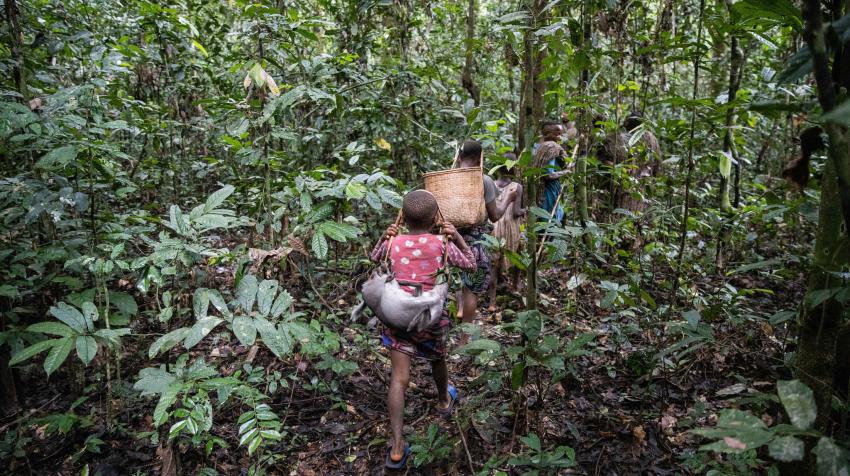
More than 5 billion people worldwide rely on forests and trees to some extent for their livelihoods, yet their contribution to food security and nutrition remains largely absent from national statistics and policy frameworks, a new report has found.
The report, ‘Forests for Food: Nourishing People, Sustaining the Planet’, published by the Food and Agriculture Organization of the United Nations (FAO) in collaboration with the Landscape Alliance, calls on countries to better integrate forests into agrifood system policies.
FAO Director-General QU Dongyu said incorporating forests into national, regional and global strategies would help build agrifood systems that are more inclusive, resilient and sustainable.
“Conserving and sustainably managing forests is fundamental to nourishing people, sustaining the planet and improving the well-being of present and future generations,” QU said in the report’s foreword.
The findings come as global food insecurity remains a major challenge. About 645 million people experienced chronic hunger in 2025, according to the latest State of Food Security and Nutrition in the World report.
At the same time, forests are under growing pressure. The world lost an average of 10.9 million hectares of forest each year over the past decade, with deforestation and degradation threatening biodiversity, ecosystem services and agricultural productivity.
The FAO report highlights the diverse ways forests contribute to diets and livelihoods. Forests provide fruits, nuts, tubers, mushrooms, edible insects and wild meat, with more than 10,000 wild species consumed directly as food worldwide.
In some forest-dependent communities, forest foods provide up to 80 percent of daily protein requirements. Wild leaves can supply nutrients such as vitamin A, calcium and iron, while fruits, seeds, nuts, roots and mushrooms provide essential vitamins, minerals, carbohydrates, fats and protein.
Forests also support health, with more than 1 billion people relying on medicinal plants sourced from forests.
Their contribution extends beyond food. Around 1.8 billion people depend on woodfuel for cooking, while forested watersheds provide freshwater to more than 85 percent of major cities. Forests also support agriculture through soil protection, pollination, nutrient cycling, water regulation and biodiversity conservation.
In many regions, forests generate up to 20 percent of rural household income and serve as safety nets during food shortages and economic hardship.
Despite these benefits, the report says fragmented policies and limited data have prevented forests from being fully recognized within food security planning.
It recommends 12 actions, including stronger integrated policies, sustainable management of forest foods, increased investment, improved data and research, and stronger cooperation among governments, civil society and the private sector.
About The Author


SUBSCRIBE TO OUR NEWSLETTER