From Policy to Practice: Rwanda’s Climate Adaptation Is Reshaping Rural Life
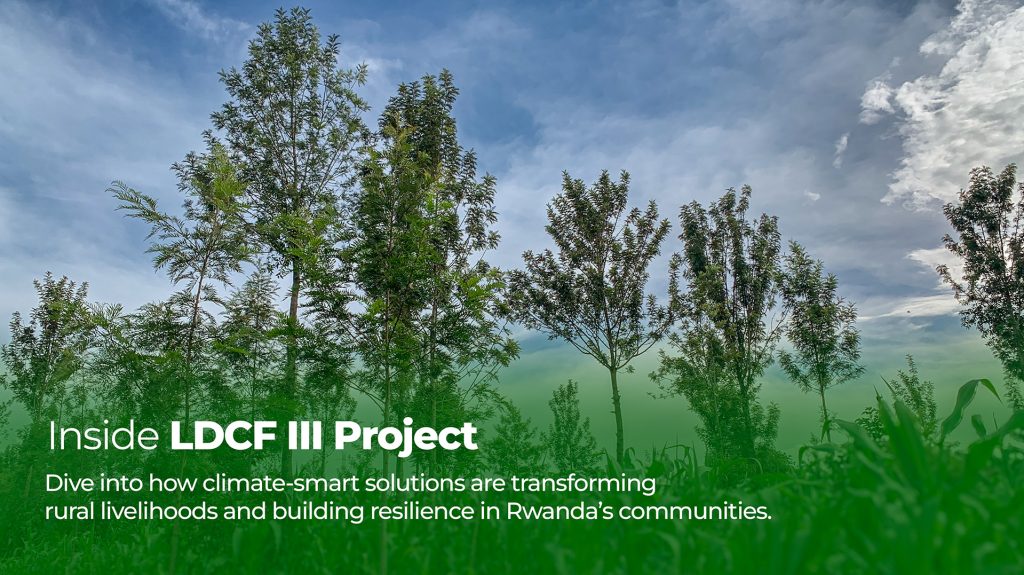
Rwanda’s efforts to confront the growing impacts of climate change are increasingly being felt at community level, where practical adaptation measures, through LDCF3 project, are reshaping how rural households live, farm and protect their settlements from climate risks.
The initiative integrates climate-smart agriculture, resilient housing, infrastructure development and ecosystem restoration, reflecting Rwanda’s broader strategy of aligning international climate finance with national development and resilience priorities.
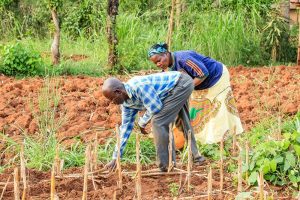
In Kirehe District, particularly in Musaza Sector, farmers say climate-smart interventions have significantly reduced their dependence on rainfall and stabilized agricultural production in an area historically vulnerable to drought.
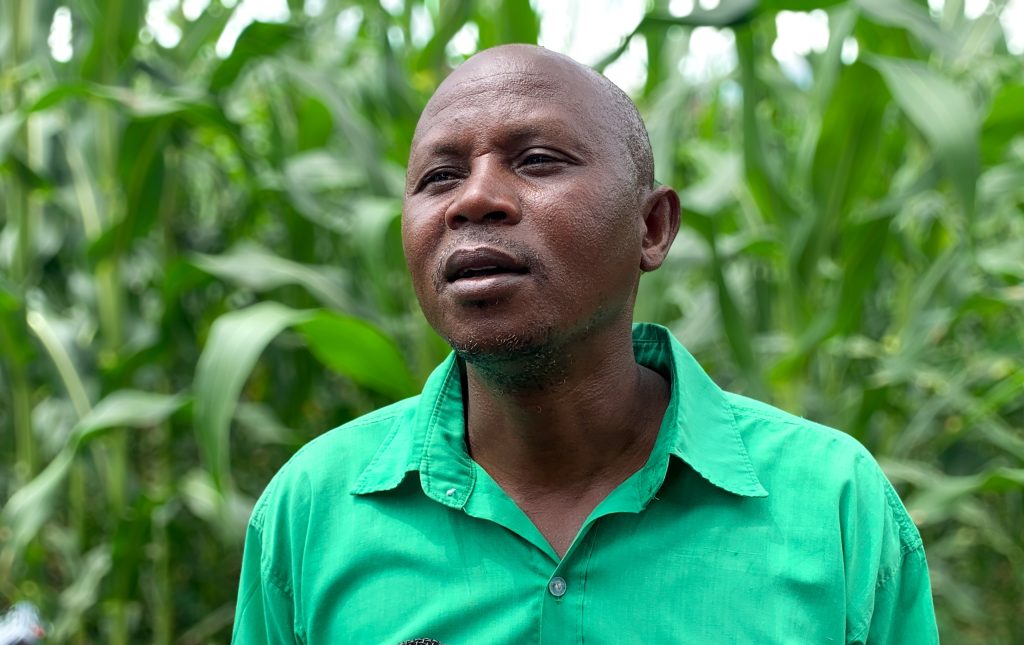
“We used to plant crops, but prolonged sunshine would dry everything before harvest,” said Murekezi Jean Marie, president of the ABANYAMURAVA KU MURIMO cooperative. “Since the project introduced solar-powered irrigation, we are now able to farm consistently and get higher yields. Our production is more stable.”
At the start of the project in 2022, solar-powered irrigation covered just 20 hectares. That coverage has since expanded to 120 hectares, directly contributing to year-round farming. The intervention aligns with Rwanda’s Irrigation Master Plan, which targets 28,000 hectares under Small-Scale Irrigation Technologies (SSIT) by 2025.
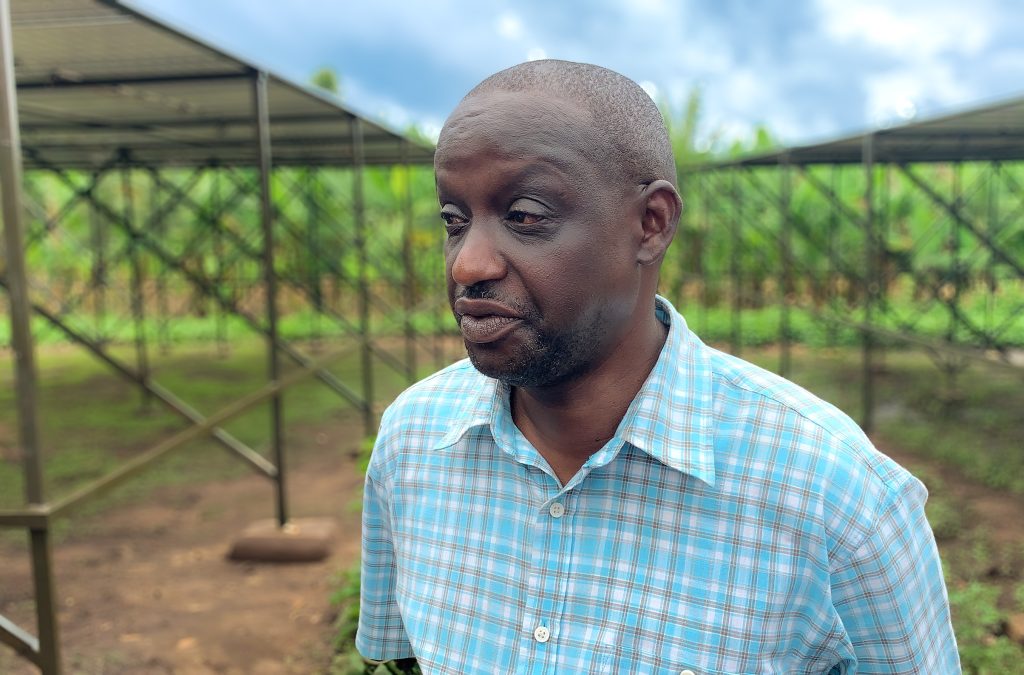
According to Charles Sindayigaya, the project coordinator, the irrigation scheme has not only boosted agricultural output but also improved community stability in an area previously affected by seasonal food shortages.
“This part of the Eastern Province experienced recurrent drought, forcing some families to migrate in search of food,” Sindayigaya said. “We thought about turning the intense sunlight into a sustainable solution. Today, farmers are producing crops across all seasons, even during the dry months.”
District officials commend the changes brought by the project, especially in the agricultural sector, with the increased maize production from two tons to more than six tons, strengthening household food security and local incomes.
” In the past, they could not grow potatoes, but since the project began, farmers have started growing them and have seen a harvest thanks to this solar system.” Revealed Rangira Bruno, the mayor of Kirehe district.

LDCF3 project, in Kirehe district, is not only focus on agriculture but also other major interventions including 12 kilometers of rural roads upgraded, installation of electricity for 243 households, renovation of 165 houses in Gasharu, Nyabigega and Bukinanyana villages, among others.
To date, LDCF3 project has reached over 1.15 million beneficiaries nationally, with women and youth accounting for more than half. In Kirehe, community ownership and participation are emerging as key drivers of success, with farmers’ groups and cooperatives increasingly maintaining climate-resilient practices independently. As climate pressures persist across Rwanda, the progress recorded in Kirehe district highlights how well-coordinated interventions, supported by international climate finance and grounded in national policy, can strengthen community resilience to climate change while delivering tangible improve

About The Author


SUBSCRIBE TO OUR NEWSLETTER