African Health Leaders Unite to Contain Cross-Border Ebola Outbreak
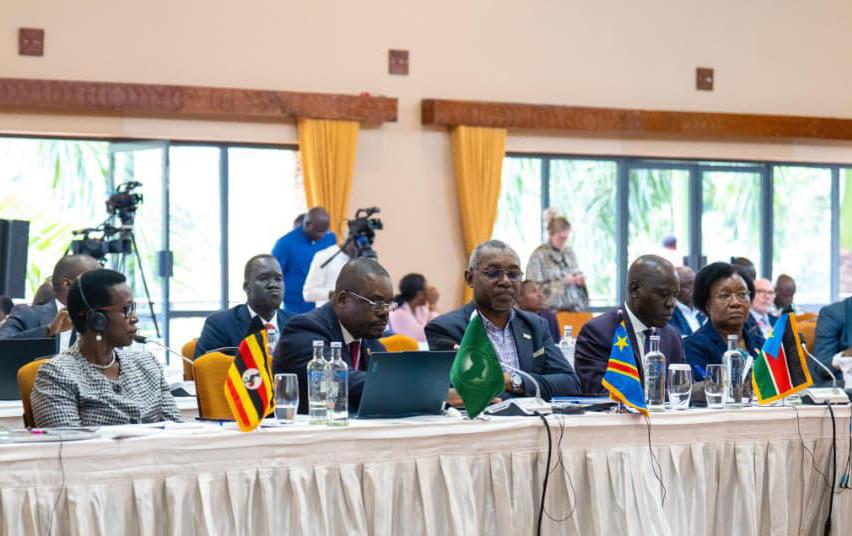
African health leaders and international partners have agreed to strengthen regional coordination and mobilise resources to contain the ongoing Bundibugyo Ebola outbreak affecting the Democratic Republic of the Congo (DRC) and Uganda, while safeguarding essential services such as education, routine healthcare and responses to other disease outbreaks across the continent.
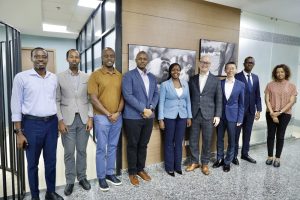
The commitments were endorsed during a high-level ministerial cross-border coordination meeting convened in Kampala by Africa Centres for Disease Control and Prevention (Africa CDC) Director General Dr Jean Kaseya together with ministers of health from the DRC, Uganda and South Sudan, alongside representatives from World Health Organization, UNICEF, United Nations Population Fund and other technical partners.
The meeting focused on strengthening surveillance, harmonising preparedness measures across borders, sustaining frontline services and reinforcing regional solidarity amid a growing outbreak that health officials warned could spread further without coordinated action.
Leaders noted that the outbreak is unfolding in a region marked by intense cross-border movement, insecurity and limited access to approved vaccines or therapeutics for the Bundibugyo strain, making regional cooperation critical.
Speaking during a media briefing after the meeting, Dr Kaseya warned that the outbreak should not be viewed as a problem confined to one country.
“This outbreak is not a DRC issue, it is a regional issue. Those who believe that it is a DRC issue will be surprised, as it was during COVID. We need to take it as a regional, even continental issue, and deal with that,” he said.
According to figures shared during the meeting, the outbreak has so far resulted in 96 confirmed cases and 11 confirmed deaths across the DRC and Uganda, while an additional 867 suspected cases and 204 suspected deaths remain under investigation.
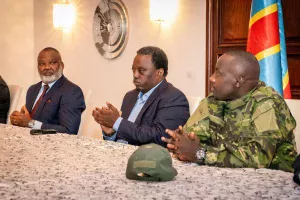
The DRC’s Minister of Health, Dr Roger Kamba, said insecurity and laboratory limitations complicated the early response to the outbreak.
“The delay was due to the fact that the laboratory in Bunia could not detect the Bundibugyo strain, and it was necessary to send the samples to Kinshasa,” he said.
Health leaders at the meeting endorsed a unified continental response framework based on a “one team, one plan, one budget and one implementation model” under the continental Incident Management Support Team jointly coordinated by Africa CDC and WHO. Uganda’s President Yoweri Museveni offered to host the team in Kampala.
Emergency Director at WHO Africa Regional Office, Dr Marie Roseline Belizaire, stressed that no country or institution could manage the outbreak alone.
“No single agency, no single country can respond to this magnitude of outbreak alone,” she said. “Coordination, solidarity and collaboration are critical to this response.”
Participants agreed on a wide range of regional actions, including strengthening cross-border surveillance and early warning systems, harmonising public health measures at official and unofficial points of entry, improving laboratory and diagnostic capacity, and reinforcing infection prevention and control measures.
UNICEF Regional Director Etleva Kadilli highlighted the need to maintain essential services during the outbreak response.
“Maintaining essential services, health, nutrition and protection, especially for children, girls and women, is going to be paramount,” she said.
Partners also raised concerns about the disproportionate impact of the outbreak on women and frontline caregivers. Representing UNFPA, Regional Director Lydia Zigomo said women accounted for the majority of infections recorded so far.
“Women actually are representing more than 60% of the infections in this outbreak,” she said. “Mainly that’s because they’re frontline responders. At the home level, they’re the ones nursing sick people.”
Leaders further called for accelerated research and development of vaccines and therapeutics targeting the Bundibugyo strain, while urging countries and partners to strengthen community engagement, risk communication, laboratory systems and preparedness capacities across at-risk border districts.
Although partners were still consolidating needs under a joint response plan and budget, preliminary estimates presented during the meeting suggested that about US$264 million may be required for response operations in the DRC and Uganda, with an additional US$54 million needed to strengthen preparedness in neighbouring high-risk countries, including South Sudan.
However, Dr Kaseya cautioned that the figures remained preliminary as assessments continued.
About The Author


SUBSCRIBE TO OUR NEWSLETTER