New Report Calls for Greater Investment in Animal Health to Tackle Antibiotic Resistance
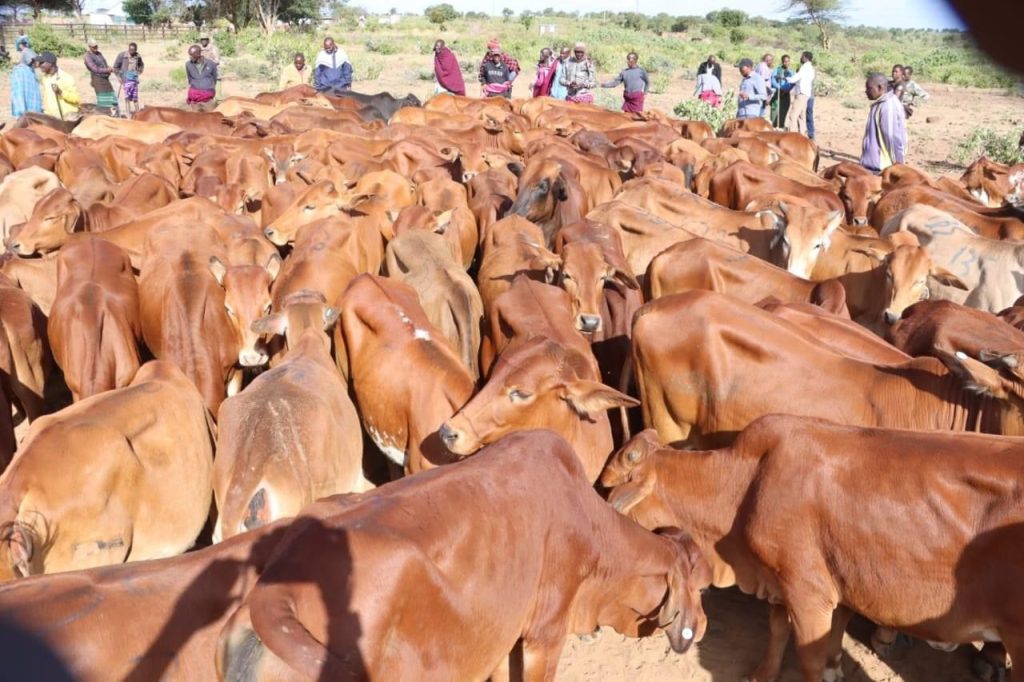
Antimicrobial resistance (AMR) in livestock could lead to global production losses of up to $318 billion by 2040 if current trends continue, according to a new report released by the Food and Agriculture Organization of the United Nations (FAO).
The report, titled, ‘The Future of Antimicrobial Use in Livestock – The Economic Cost of Action or Inaction’, was presented during the Fourth Session of the COAG Sub-Committee on Livestock at FAO headquarters in Rome.
FAO projects that global antimicrobial use in livestock will rise by nearly 30 percent by 2040 compared with 2019 levels, driven by increasing demand for animal-source foods and the intensification of livestock production.
While antimicrobial growth promoters (AGPs) can improve animal growth and feed efficiency in the short term, the report warns that their continued use contributes to rising antimicrobial resistance, which could have far greater long-term economic consequences. Under a high-AMR scenario, cumulative livestock production losses could reach about $318 billion by 2040, compared with approximately $53 billion under the most severe AGP phase-out scenario.
“The costs of reducing unnecessary antimicrobial use are often immediate and concentrated, while the benefits of preserving antimicrobial effectiveness are long-term and widely shared,” said Thanawat Tiensin, FAO Assistant Director-General and Chief Veterinarian.
He stressed that antimicrobial effectiveness should be treated as a global public good, requiring coordinated investments and policies to support disease prevention and responsible antimicrobial use.
The report estimates that at least $28.4 billion in transitional investment will be required to help producers adapt to reduced antimicrobial use. Recommended measures include strengthening veterinary services, improving disease surveillance and diagnostics, expanding vaccination programmes, enhancing farm biosecurity, and promoting better animal husbandry practices.
FAO notes that the economic impact of AMR often develops gradually, making it less visible in the short term than the immediate costs associated with phasing out AGPs. This time gap, the report says, can delay action despite the strong economic case for intervention.
Using a One Health economic framework, the study concludes that technical guidance and national regulations alone will not be sufficient to address the challenge. Instead, governments and stakeholders will need sustainable financing mechanisms, market-based incentives, clear targets and support for farmers adopting alternatives to antimicrobials.
The report also projects that global livestock production will grow by about 23 percent by 2040, led by increases in poultry and milk production. Asia and the Pacific are expected to remain the largest users of livestock antimicrobials, accounting for nearly 65 percent of global use, while Africa is projected to experience one of the fastest growth rates.
About The Author


SUBSCRIBE TO OUR NEWSLETTER