How a hospital meal programme is building a wider food system in Rwanda
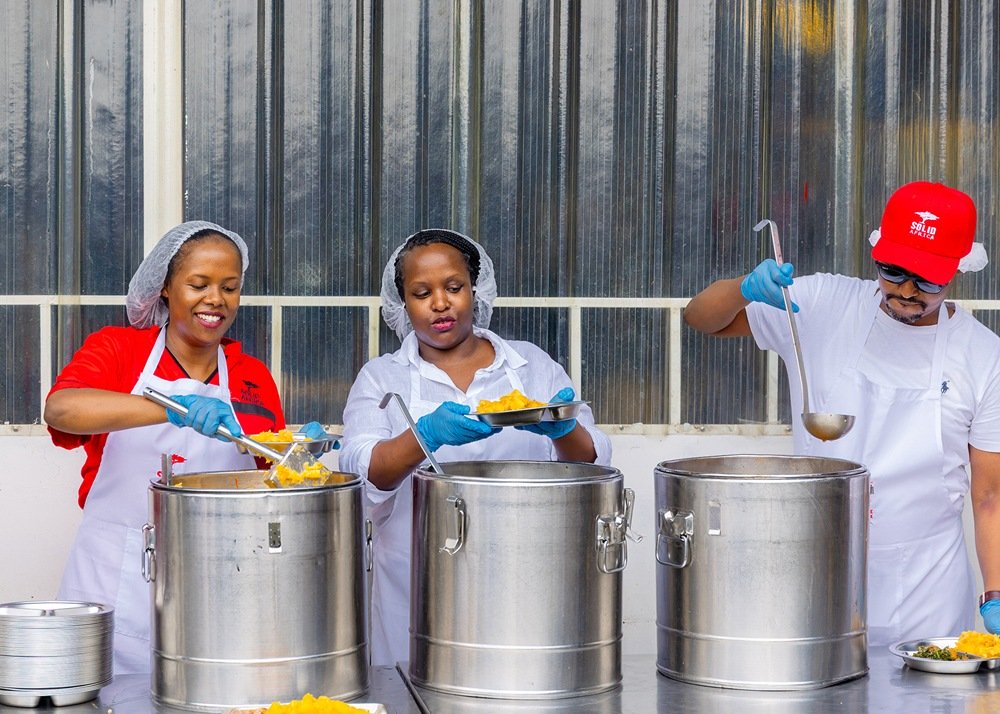
Solid’Africa began with friends cooking for patients who had no food. It now produces thousands of meals, supports specialised hospital diets and buys produce from smallholder farmers as it works towards reaching every public hospital in Rwanda.
By Solange Ayanone, bird story agency
When Nyandwi Zabulon could find a little money for food, he bought a single piece of bread and divided it into four. One portion was for his child, who was undergoing cancer treatment, and another was for him. The rest had to last.
Zabulon had spent four months at a hospital far from his family, without the support relatives might otherwise have provided. By the time he and his child arrived at the University Teaching Hospital of Kigali (CHUK), hunger had become another burden alongside illness.
There, the family encountered Solid’Africa, a Rwandan social enterprise that provides free meals to vulnerable hospital patients and their caregivers.
In Rwanda, admission to hospital has not necessarily meant that food is provided as part of a patient’s care. Meals are generally not covered by public health insurance, and patients have traditionally relied on relatives or accompanying caregivers to bring or buy food. The system has varied between hospitals, but it places a burden on low-income families, people transferred far from home and patients facing lengthy admissions. Caregivers, who often remain at the hospital to assist a relative, also need to eat.
“Whenever I managed to get a little money, I would buy one piece of bread and divide it into four,” Zabulon says. “My child would take one piece, and I would take another, and we would have to make that last for the day. You can imagine how hungry we were.”
At CHUK, Solid’Africa provided breakfast, lunch and dinner, as well as some hygiene supplies and clothing. Zabulon initially expected to be charged. Other patients explained that the meals were free.
The support is part of a hospital nutrition initiative that grew from a small volunteer effort into an expanding food system linking healthcare, industrial-scale meal preparation and local agriculture.
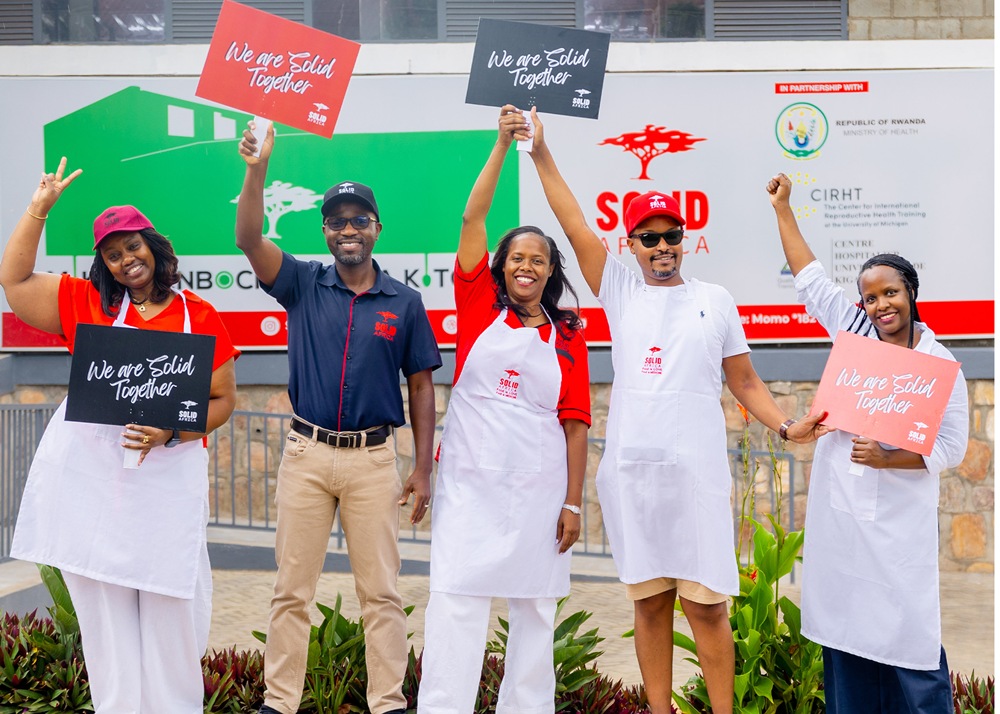
Solid’Africa was founded by Isabelle Kamariza, whose path into social enterprise began during a visit home from Belgium, where she was studying law. At a prayer gathering in 2010, Kamariza spoke about her concern for people suffering from illness. A family friend known as Mama Zouzou invited her to help serve food at CHUK.
The visit revealed that many patients from low-income families were contending with hunger as well as illness. At the time, public hospitals did not routinely provide meals, leaving patients dependent on relatives. Those without family support could go without adequate food while receiving treatment.
Kamariza gathered friends to cook meals in their homes and deliver them to patients. The operation was modest and volunteer-run, but demand soon exceeded what the group could provide.
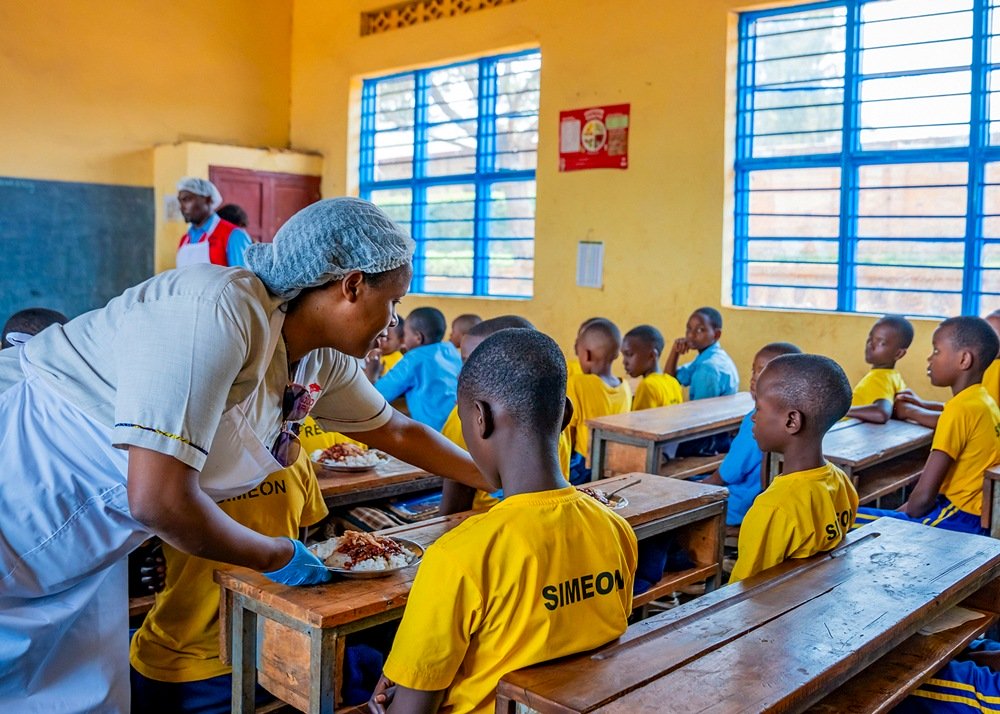
“We made a simple promise that no patient we served would spend a day without food,” Kamariza says.
As demand grew, the volunteers began building a more structured nutrition programme. Solid’Africa now provides meals tailored to the needs of patients, turning the provision of food from an occasional act of charity into a component of care. “Food is not a luxury. It is a fundamental part of healing and human dignity. ” says Kamariza.
Jeanne Uwamaliya, from Muhanga District, has spent about a year and a half in hospital while her child receives cancer treatment. When the child underwent surgery and could consume only porridge, Solid’Africa provided it. When the child later developed malnutrition and was prescribed milk, fruit and other specific foods, the organisation again helped.
“Throughout our stay here, they have provided breakfast, lunch and dinner,” Uwamaliya says. “At least when it comes to food, I know that my child is taken care of.”
Adrien Tuyizere, a nutritionist at CHUK, says malnutrition was a significant challenge among patients and caregivers before Solid’Africa’s intervention. Some people with conditions affecting the stomach, liver or kidneys require specialised diets, but families already struggling with medical costs are often unable to pay for them.
According to Tuyizere, the programme has made those diets available to patients who need them and helped reduce malnutrition. It also assists new mothers who require nutritional support for breastfeeding and patients who are unable to eat normally and must be fed through a tube.
The benefit extends to caregivers: money that would have been spent on food can instead go towards medicines and other medical needs.
“Medicine alone cannot restore a patient’s strength,” Tuyizere says. “The body also needs the nutrients it gets from food to fight illness and recover.”
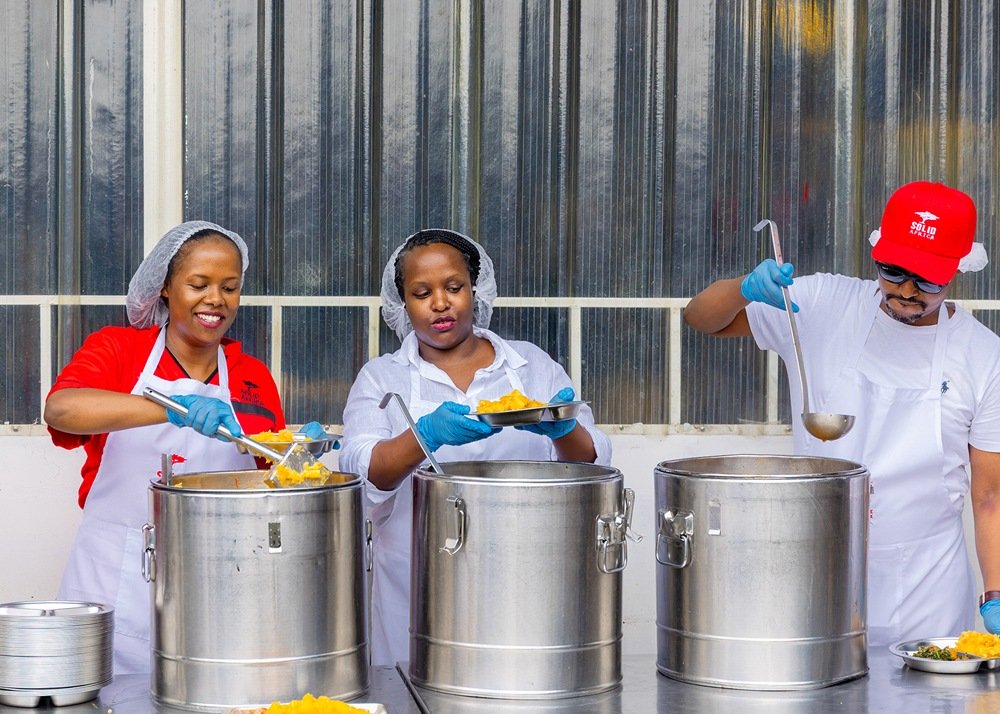
Meeting that need consistently required Solid’Africa to move beyond meals prepared in volunteers’ homes. A major step was the construction of a large industrial kitchen dedicated to hospital feeding.
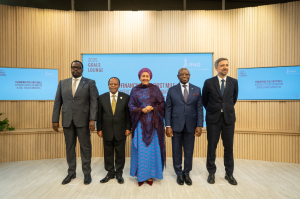
Developed with support from partners including Imbuto Foundation and Fondation Mohammed VI pour le Développement Durable, the facility opened in late 2023 and can prepare up to 15,000 meals a day.
The need extends far beyond the patients whose experiences are described here. Solid’Africa says it served 3.2 million meals in 2025, reaching 130,000 patients and caregivers across six public hospitals.
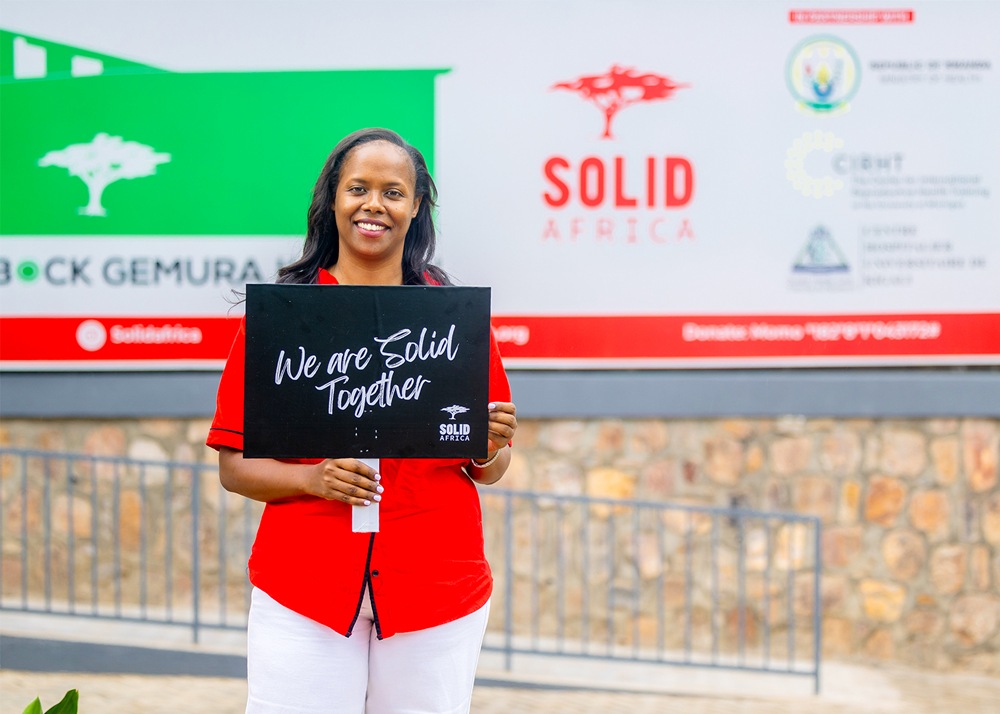
The organisation has established three on-site kitchens and is planning further expansion. “We aim to reach all 47 public hospitals,” Kamariza says.
That ambition would take the model from selected facilities towards nationwide nutrition support across Rwanda’s public hospital network. It also creates another challenge: supplying enough fresh food reliably.
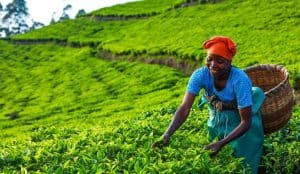
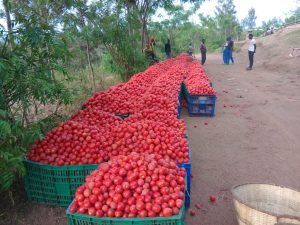
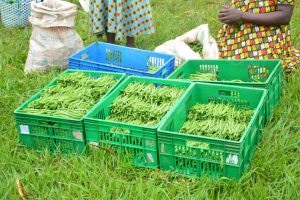
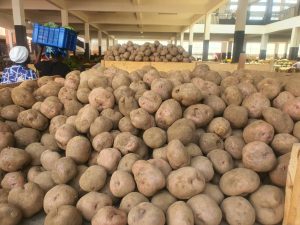
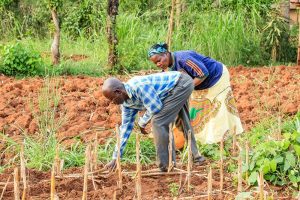
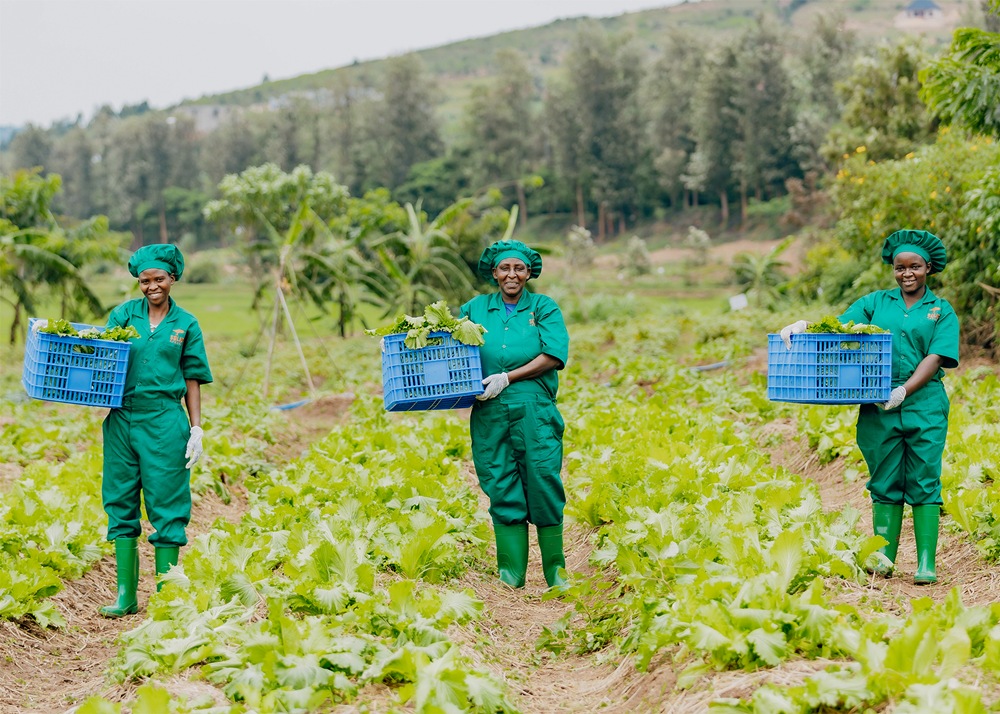
Solid’Africa’s response has been to link its feeding programmes more closely to local agriculture. Its farm-to-fork approach gives participating smallholder farmers a regular buyer while supplying kitchens with produce. The organisation has partnered with four cooperatives, offering training in farming practices, access to quality inputs and a more stable market. Many participating farmers are women.
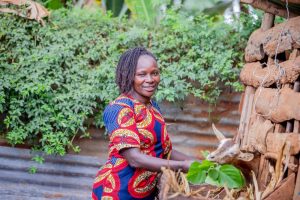
Mary Uwera, a farmer in Rugende in Gasabo District, has supplied Solid’Africa since 2019. She grows vegetables including spinach, carrots, beetroot and cabbage.
“Knowing that the crops we grow end up in hospital meals gives our work a deeper purpose beyond income,” Uwera says. “Solid’Africa gives us a reliable market while helping nourish patients who need healthy food to recover.”
Uwera says regenerative farming practices are also helping her improve soil health and protect the land for future generations.
The arrangement creates a reinforcing chain: hospitals gain a source of nutritious food, farmers gain a dependable market, cooperatives can strengthen production and more spending circulates through local food systems.
Solid’Africa is also testing how the model can support children before they reach a hospital. Through work with the Ministry of Education and other partners, it has contributed to Rwanda’s National School Feeding Programme, including pilot initiatives at two schools.
Kamariza’s work has attracted recognition, including the Forbes Woman Africa Social Impact Award in 2021 and Global Citizen’s Disruptor of the Year award in 2024.
The programme’s larger test is whether it can extend reliable nutrition across all public hospitals while deepening its connections with schools and farmers.
For families such as Zabulon’s, the effect is already immediate: caregivers can focus on treatment instead of searching for the next meal. For participating farmers, the same system turns crops into both income and a contribution to recovery.
What began with friends cooking in their homes has become a network spanning hospital wards, kitchens, schools, cooperatives and farms — an example of how addressing one basic need can create opportunity across a much wider system.
bird story agency
About The Author


SUBSCRIBE TO OUR NEWSLETTER