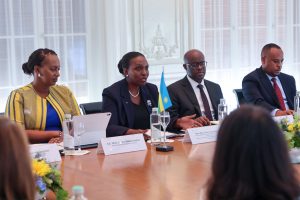
Seven African Countries Look to Rwanda for Health Data System Expertise
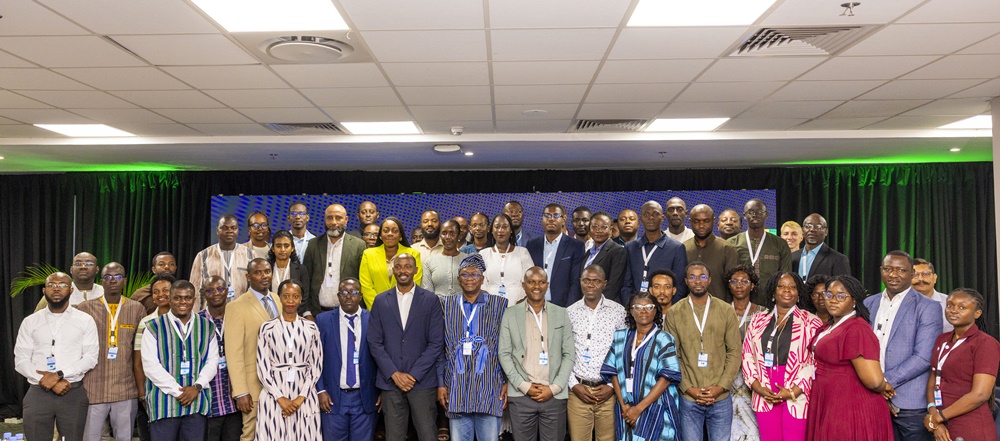
Rwanda has begun sharing its experience in building a national health intelligence system with seven African countries as part of a regional effort to strengthen data-driven healthcare and reduce reliance on externally managed health information systems.
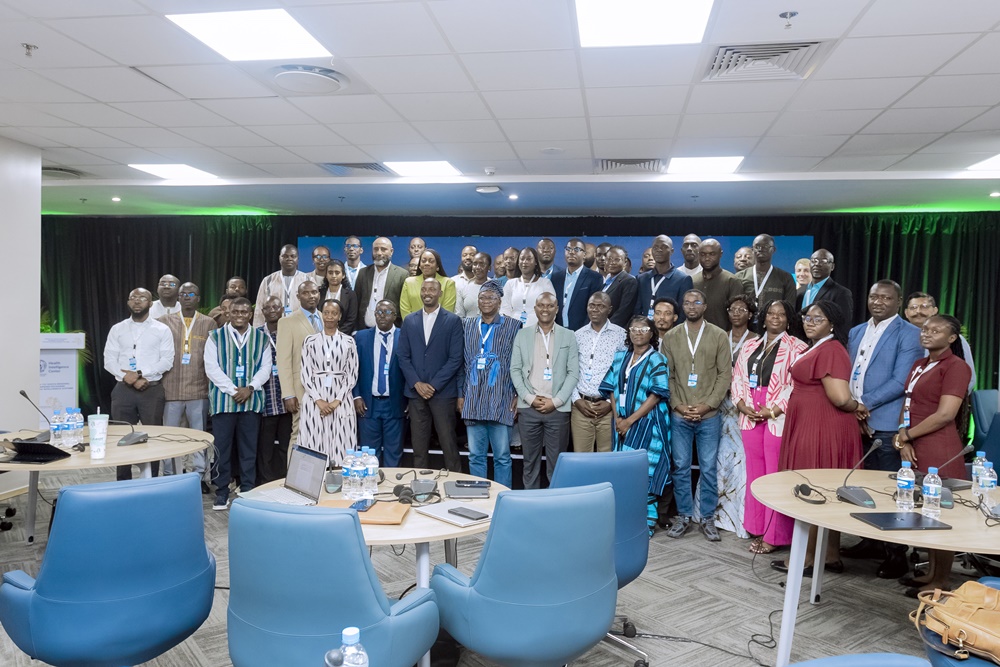
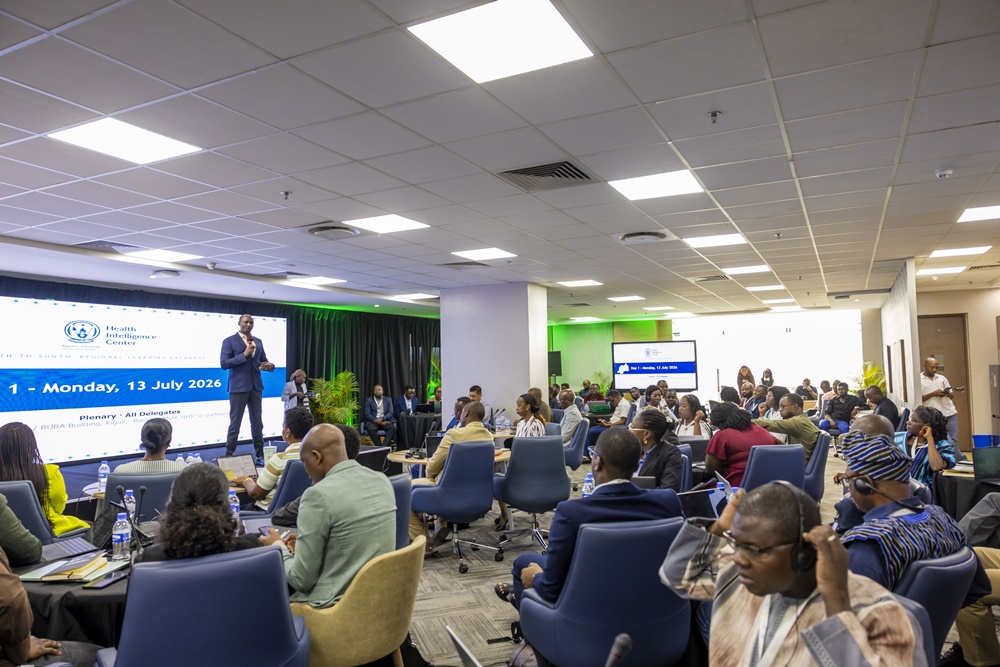
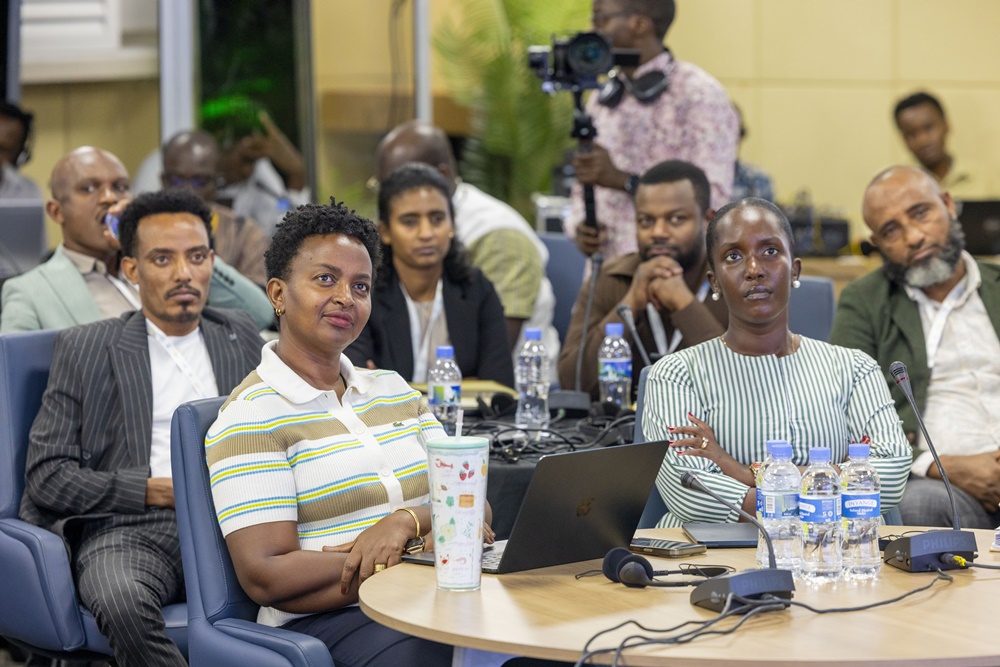
The two-week South-to-South Regional Learning Exchange Programme on National Health Intelligence Systems, which opened in Kigali on July 13, 2026, has brought together senior health officials and data scientists from Burkina Faso, Ethiopia, Liberia, Senegal, Sierra Leone, Togo and Zambia to learn from Rwanda’s National Health Intelligence Centre (NHIC).

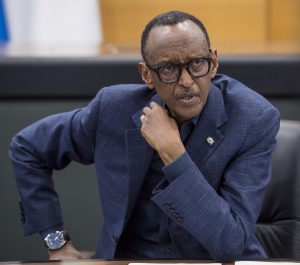
Opening the programme, Minister of Health Dr. Sabin Nsanzimana said African countries must take ownership of their health data and use it to guide policy decisions rather than relying heavily on externally managed systems.
“Our data is our currency. Data is the new gold. No one knows our problems better than ourselves,” Nsanzimana said.
He said the initiative was inspired by discussions among African health leaders following changes in international development support, which highlighted the need for countries to become more self-reliant in managing health information systems.
According to the minister, while external support remains important, it should build local capacity rather than create long-term dependence.
“We have people, we have brains, we have experts, we have computers. We should be able to collect, own and use our own data to solve our own problems,” he said.
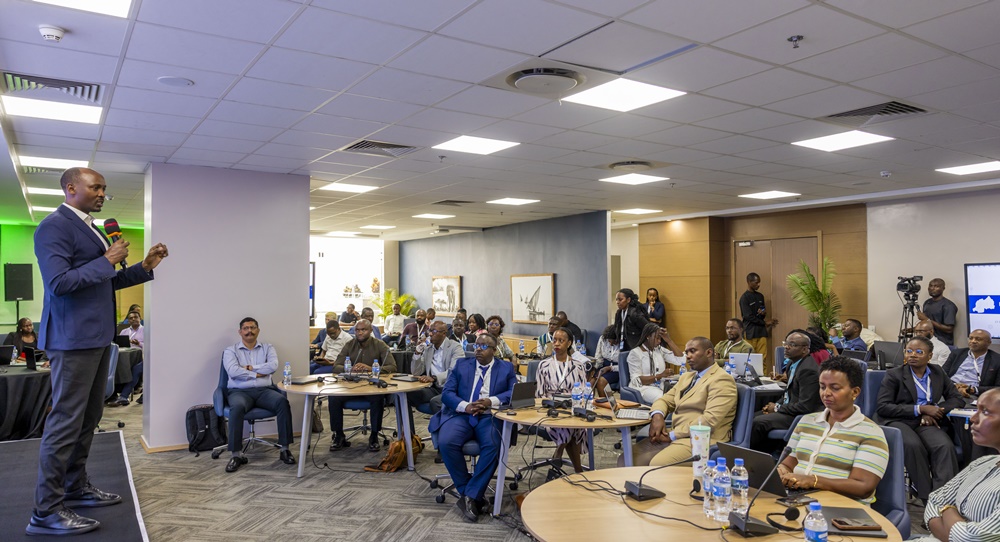
Nsanzimana said Rwanda established the National Health Intelligence Centre to integrate health information from multiple sources into a single platform capable of providing real-time evidence for policy-making, planning and service delivery.
The platform brings together data from community health workers, health facilities, disease surveillance systems, medicine supply chains and other health programmes, allowing decision-makers to monitor developments through digital dashboards instead of relying on delayed reports.
He said the government is also moving to eliminate paper-based health records, announcing that beginning August 1, all patient information and referrals in Rwanda’s health facilities will be managed digitally through the national e-Buzima system.
The minister said digital systems would improve the accuracy of health information while reducing administrative delays, citing electronic referrals and electronic prescriptions as examples of reforms already being introduced.
Nsanzimana also challenged the continued reliance on periodic health surveys as the primary source of national health statistics.
He argued that traditional surveys, including Demographic and Health Surveys (DHS), often provide outdated estimates based on relatively small samples collected every five years, whereas integrated digital systems can generate more timely and comprehensive data from routine health services.
“If you have good data systems in the health sector, you spend less money because you know exactly where you should invest,” he said.
He urged participating countries to focus on building systems that generate real-time information rather than waiting years for survey results, adding that even connecting a limited number of health facilities to a national intelligence centre could provide more representative evidence than periodic surveys.
The minister also encouraged governments to invest in young technology professionals, saying many of Rwanda’s digital health innovations had been developed by local data scientists and software engineers.
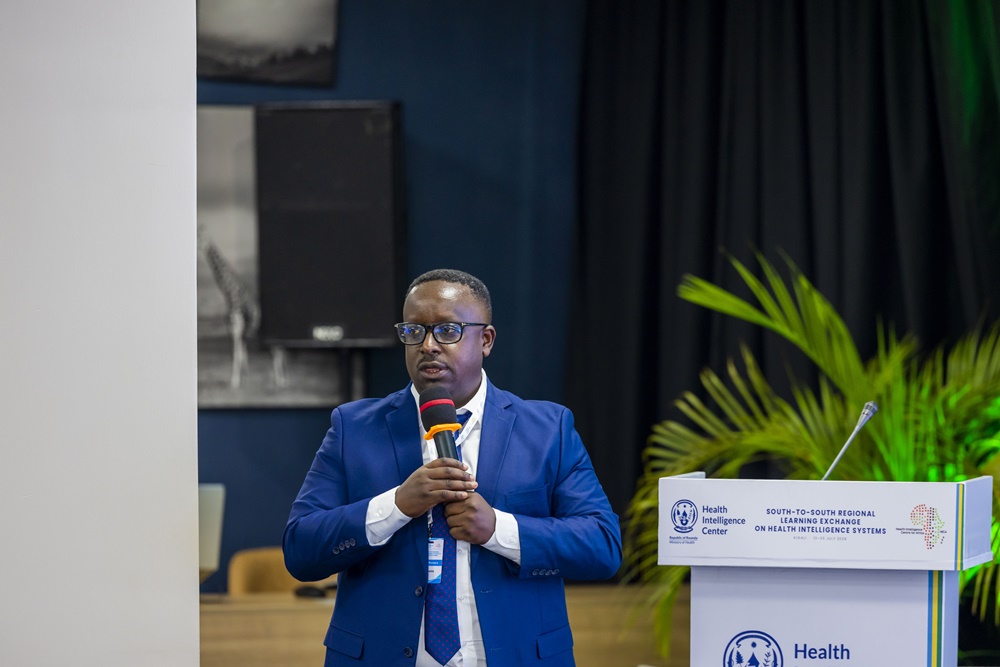
Director of the National Health Intelligence Centre, Dr. Eric Remera, said the learning exchange marks an important milestone for the centre, which was launched in April 2025 and is now serving as a regional reference point for digital health intelligence.
“Today our NHIC is one year old. We are now working with different countries to help them establish their own National Health Intelligence Centres,” Remera said.
He said participants will spend the next two weeks exchanging practical experience, working with real-world health data and harmonising methodologies for measuring maternal mortality, which has been selected as the programme’s primary use case.
“The goal is to develop comparable estimates across countries and generate policy recommendations that can help reduce maternal mortality,” he said.
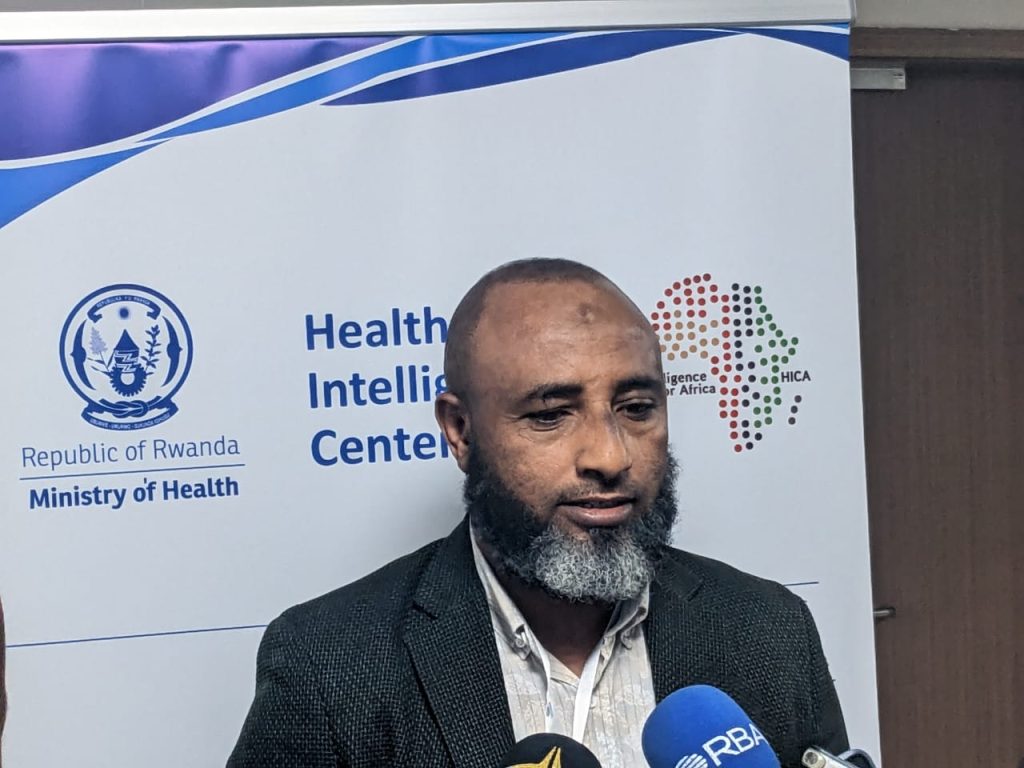
Among the delegates attending the programme is Mesoud Mohammed, Statistics and Information Lead at Ethiopia’s Ministry of Health, who said Rwanda’s experience offers valuable lessons as Ethiopia establishes its own national health intelligence centre.
He said Ethiopia has already invested heavily in digital health infrastructure under its Digital Ethiopia 2030 strategy and aims to digitally connect at least 80 percent of health facilities by 2030.
However, he noted that fragmented information systems, data quality challenges, infrastructure limitations and the country’s vast geographical size remain major obstacles.
Mohammed said Rwanda’s progress demonstrates what strong political leadership can achieve.
“The most impressive thing I heard this morning was Rwanda’s commitment to make all health facilities paperless. We can learn from their experience without repeating the challenges they have already overcome,” he said.
The regional learning exchange is organised by Rwanda’s Ministry of Health, through the National Health Intelligence Centre, in partnership with the Health Intelligence Center for Africa (HICA), with the aim of strengthening national health intelligence systems and promoting evidence-based decision-making across the continent.
About The Author


SUBSCRIBE TO OUR NEWSLETTER