A Humanitarian Lesson for All: The Mountain Did Not Ask Who Belonged
By Chen Ben-Meir
August 11, 2026 | Mount Kilimanjaro, Moshi, Tanzania: There is a point on Mount Kilimanjaro when almost everything unnecessary begins to disappear. The air thins, conversation grows shorter and each step requires intention. Titles, professions, nationalities, physical differences and the assumptions people carry about one another begin to matter less than the person walking, rolling, guiding, pulling, encouraging or breathing beside them.
At 19,341 feet above sea level, the mountain is remarkably indifferent to the categories by which the world below so often organizes human beings.
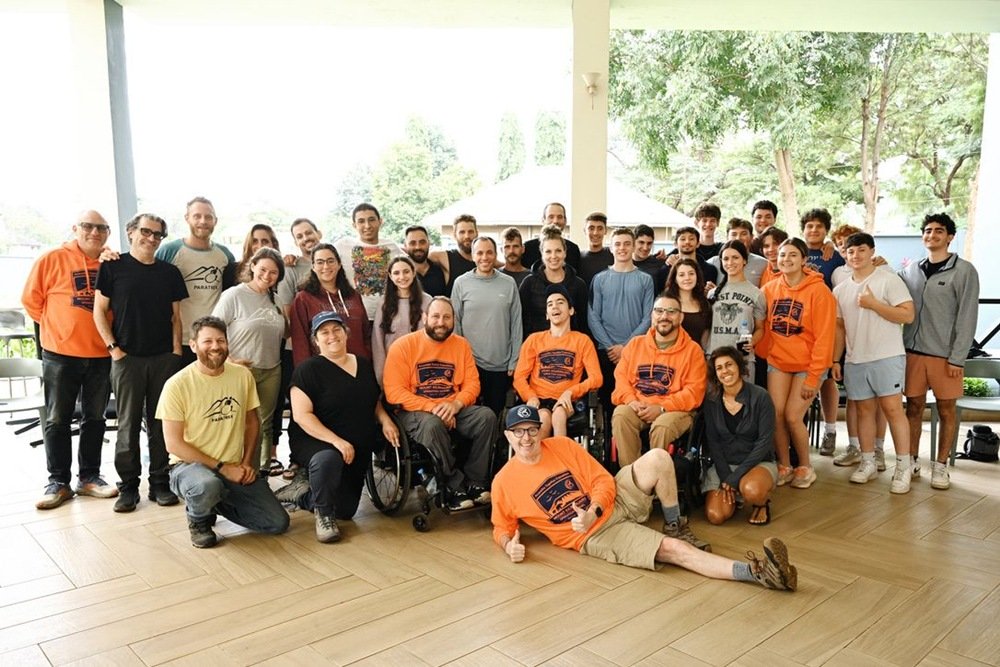
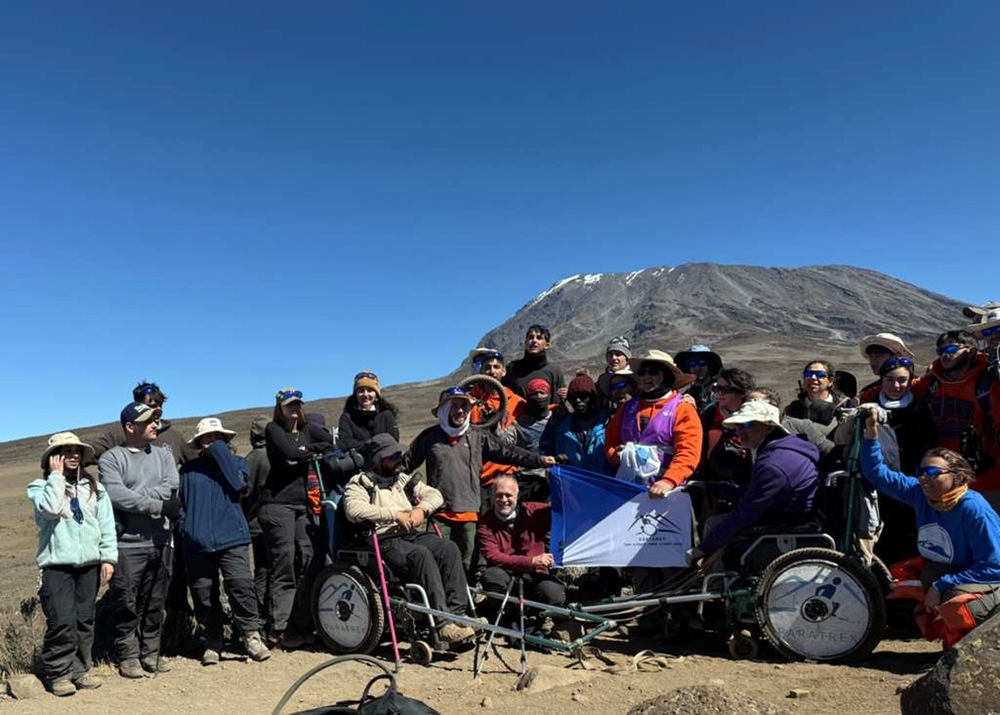
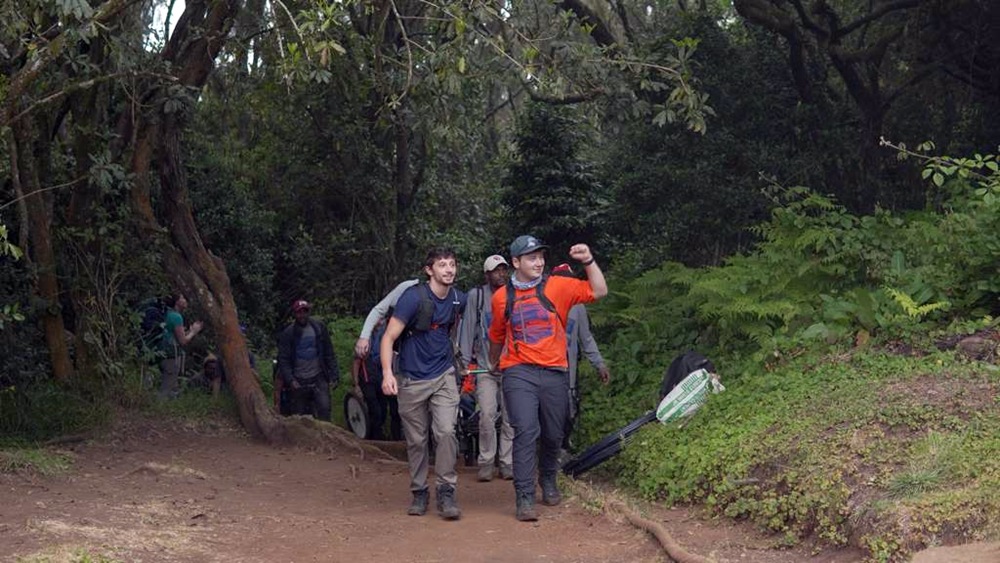
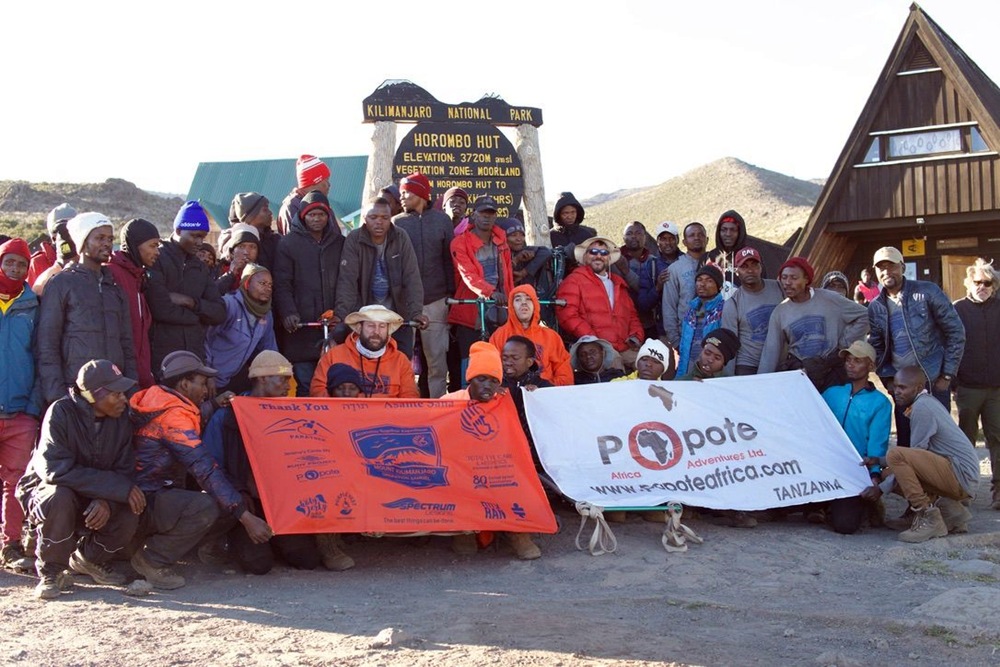
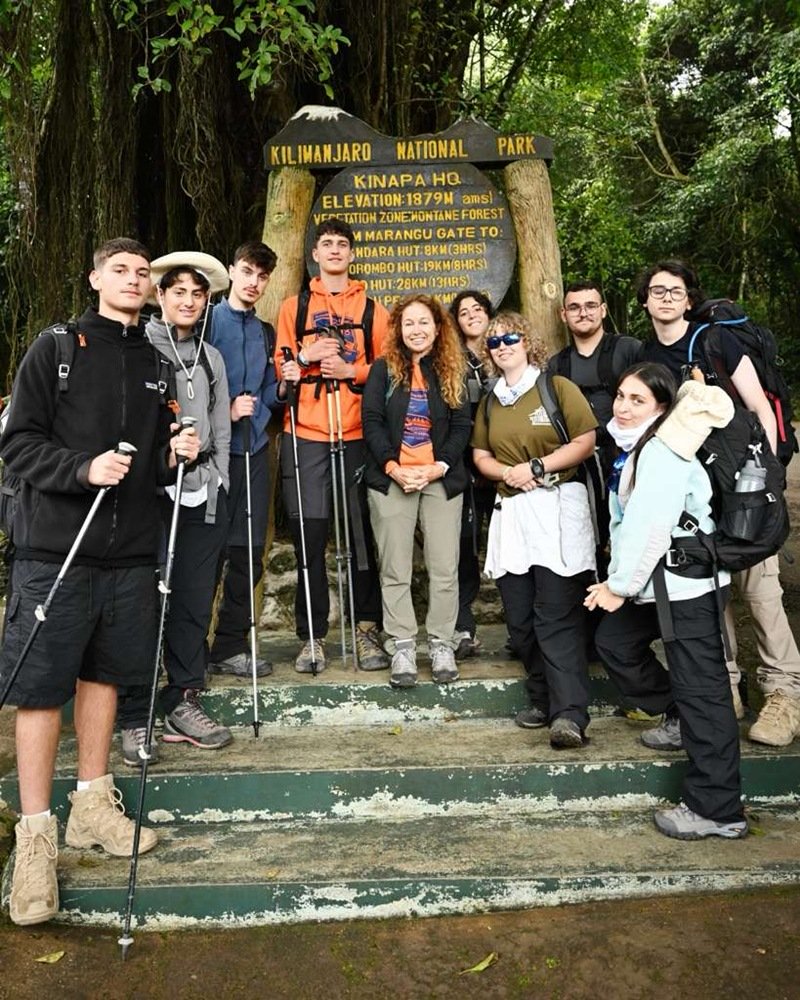
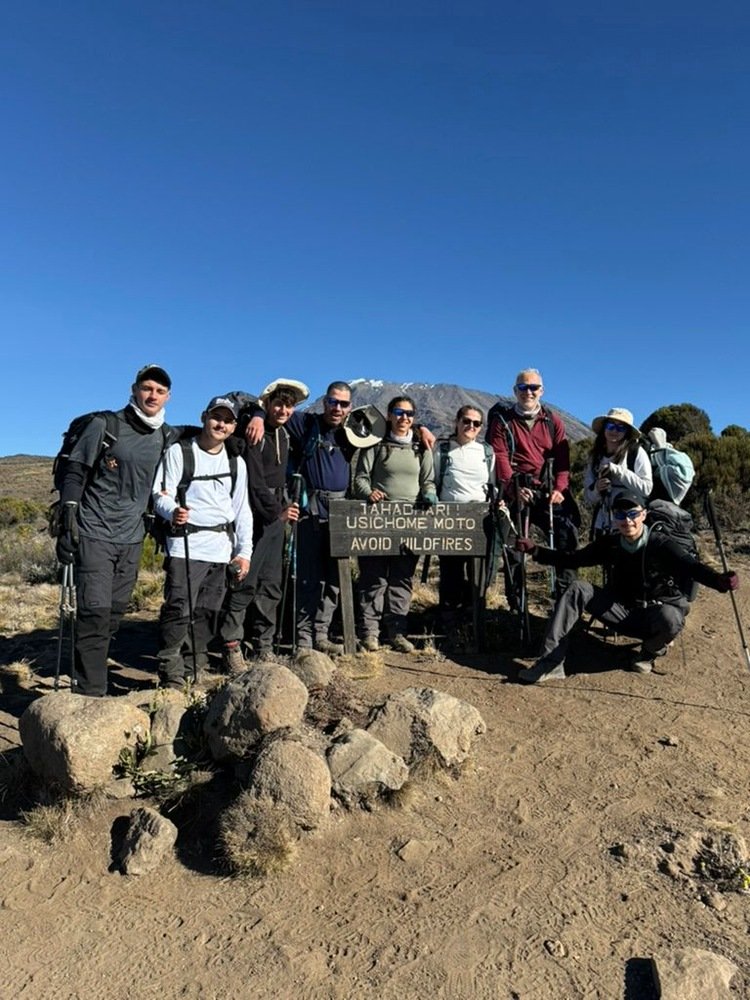
These past 2 weeks, 66 people came to Tanzania from all around the globe to challenge those categories. Across two consecutive #AccessibleTogether expeditions organized by Accessibility Accelerator in partnership with Paratrek, climbers with disabilities joined injured soldiers, students, educators, physicians, first responders, military veterans, families, advocates and community leaders on Africa’s highest mountain. They arrived carrying different histories, abilities, limitations and ambitions. On Kilimanjaro, however, they did not climb as separate groups. They climbed as one team.
“This expedition is more than a climb. It is a statement,” said Jamie Lassner, Executive Director of Accessibility Accelerator. “Every climber earned the right to celebrate an extraordinary personal achievement. But #AccessibleTogether asks a much bigger question: What happens when we stop deciding who belongs in extraordinary places and start designing opportunities so more people can pursue extraordinary goals together?”
It is a question that extends well beyond a mountain.
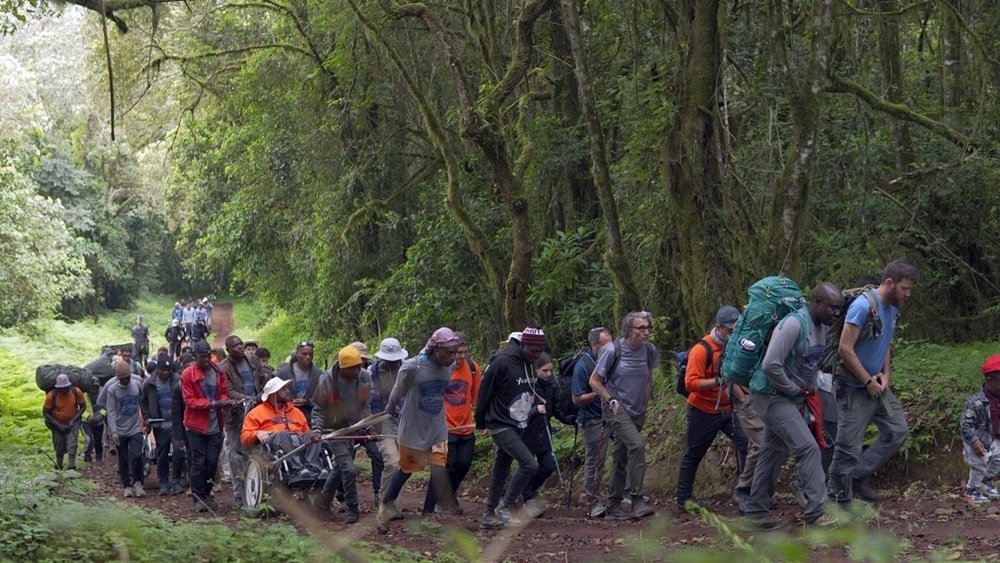
Accessibility is still too often treated as an accommodation, something considered after a building, program, workplace or experience has already been designed. Kilimanjaro offered a different proposition. Accessibility was considered before anyone stepped onto the mountain, woven into preparation, equipment, staffing, medical planning, logistics and leadership. The objective was never to make Kilimanjaro easier. It was to make the opportunity to attempt Kilimanjaro broader.
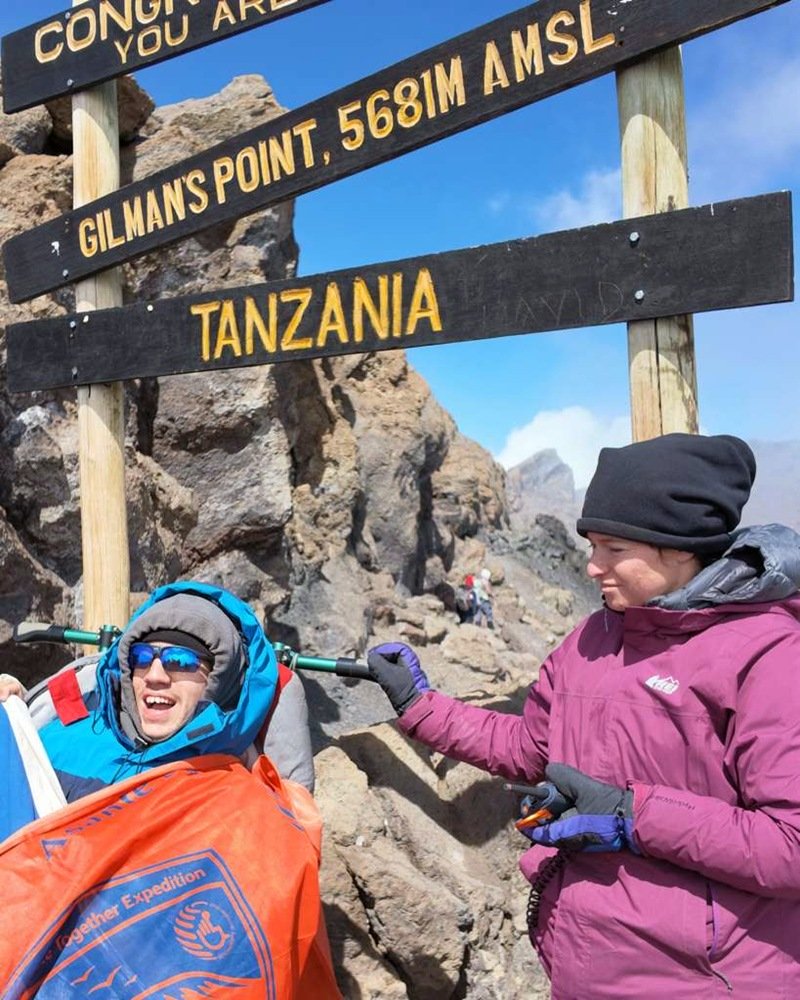
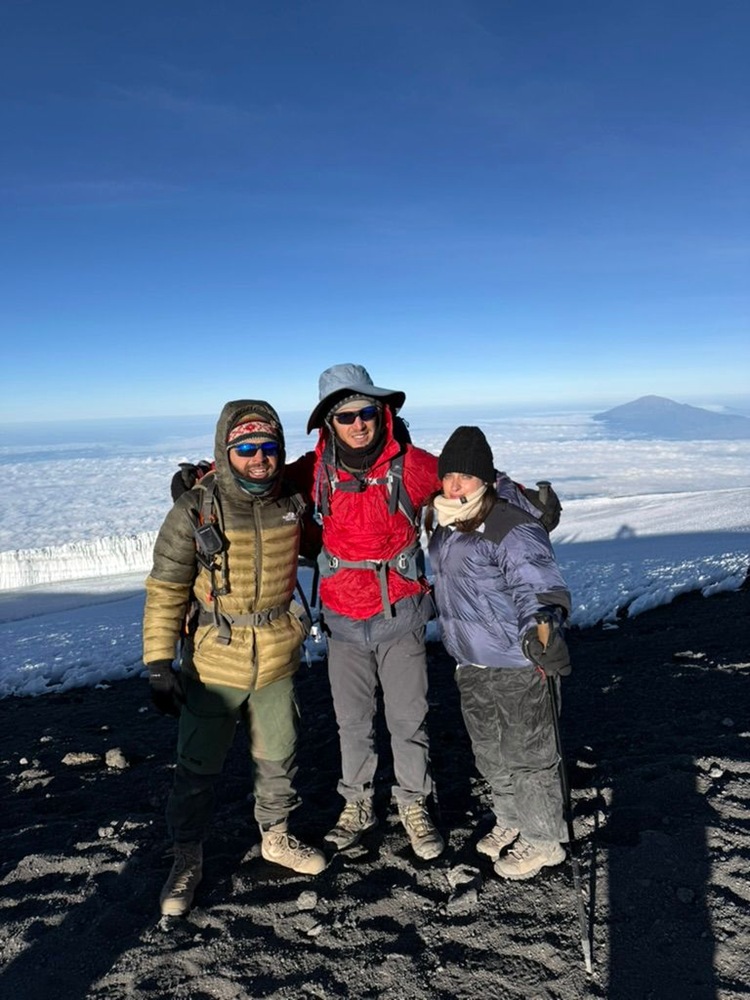
And the mountain remained unforgiving. There was altitude, cold, exhaustion and difficult terrain. Some climbers moved faster than others. Some required equipment or physical assistance that others did not. Participants reached Kilimanjaro’s outer summit rim, while others continued toward its highest points. Yet success gradually became something larger than where any individual stopped. It became the opportunity for each person to discover how far he or she could go.
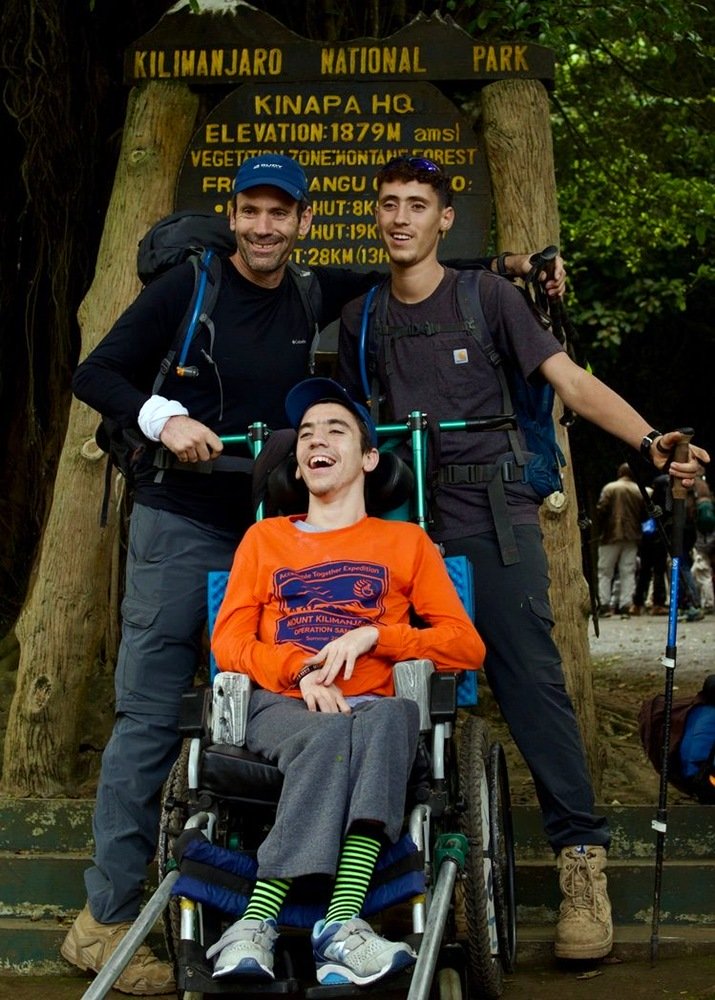
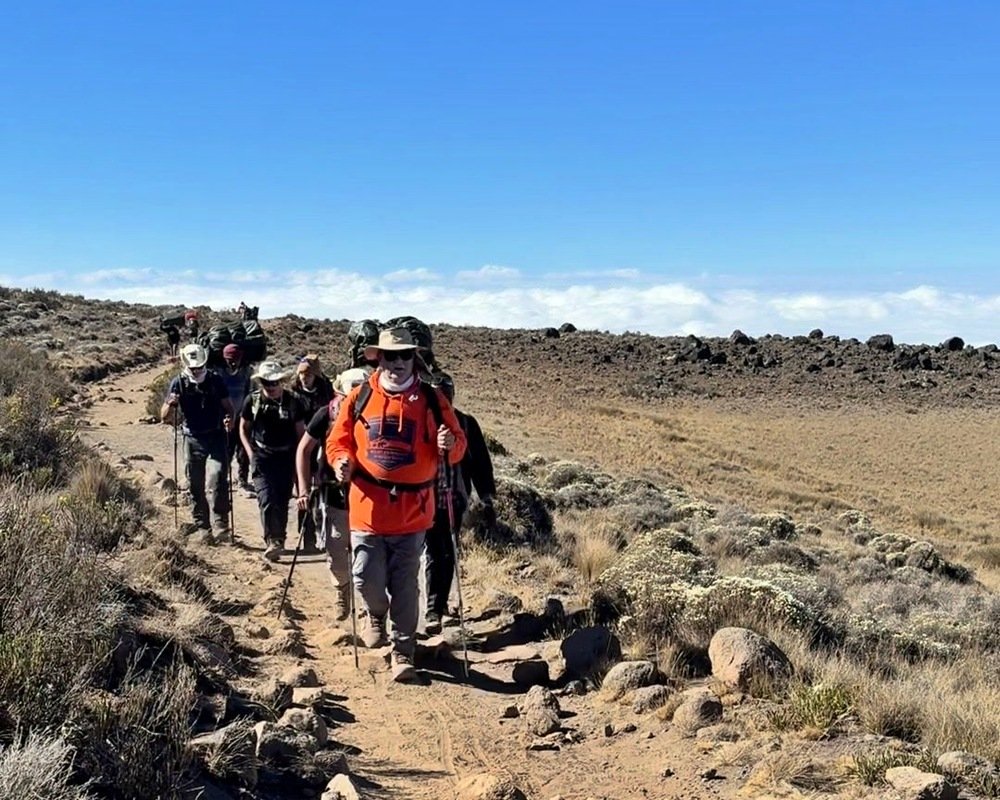
Along the trail, the familiar distinction between the person helping and the person being helped became increasingly difficult to identify. A guide steadied a climber. A porter carried weight. A physician watched for signs of illness. Someone struggling physically provided encouragement to someone struggling emotionally. A person receiving assistance in one moment became the source of another person’s strength in the next.
“No one climbs Kilimanjaro alone,” said Omer Zur, founder of Paratrek. “Every guide, porter, and climber becomes part of one team. Every person contributes something that helps another person move forward. That spirit transforms an expedition from simply reaching a summit into something capable of changing perceptions.”
Perhaps that was the expedition’s most important revelation. Independence is often celebrated as the ultimate expression of strength. On Kilimanjaro, interdependence proved even more powerful.
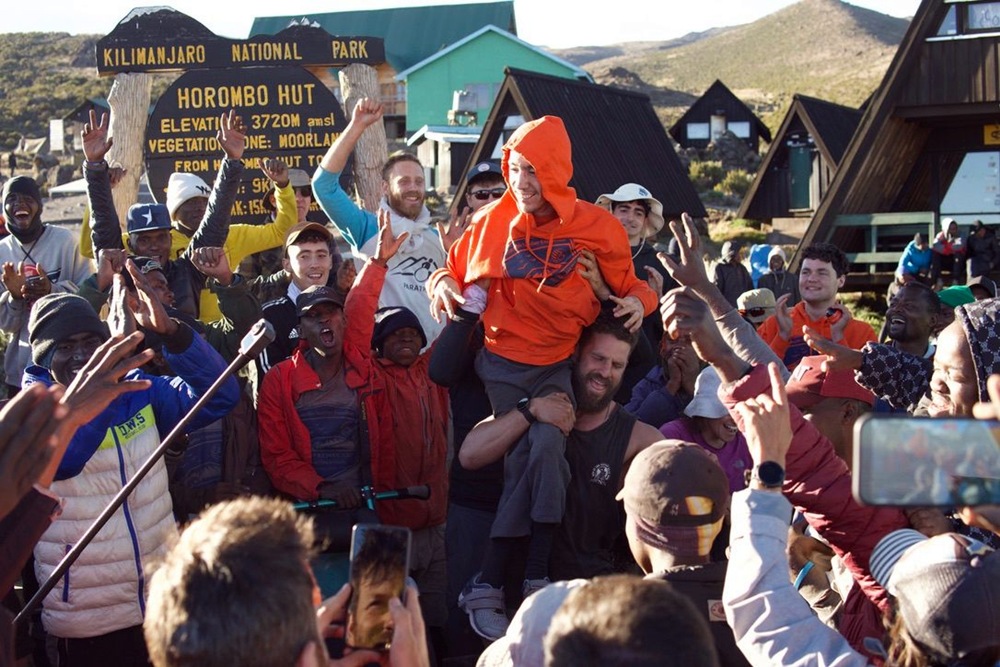
People accomplished extraordinary things because they relied on one another, accepted help when they needed it, and often found that the person offering a hand had only days earlier been a stranger and was now a friend. That is not simply a lesson about disability. It is a lesson about being human.
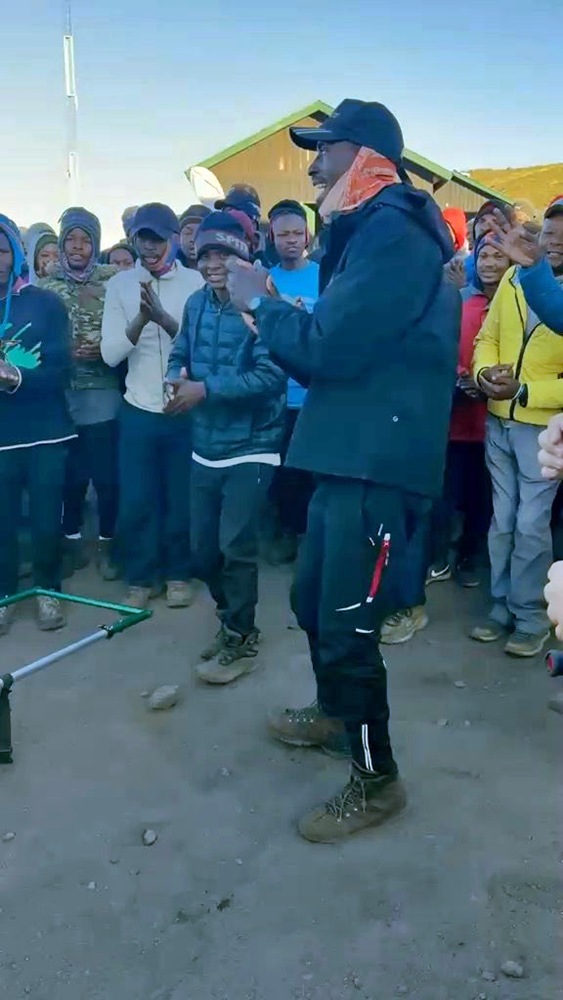
Tanzania itself became more than the setting for the journey. The guides and porters on the mountain, along with drivers, hotel staff, local partners and Tanzanians encountered throughout the expedition, welcomed the group with a warmth that became inseparable from the experience. There were conversations, laughter, patience, encouragement and acts of generosity that required no common nationality or physical ability to understand. Kilimanjaro may have drawn the climbers to Tanzania, but the hospitality of its people became one of the memories they carried away.
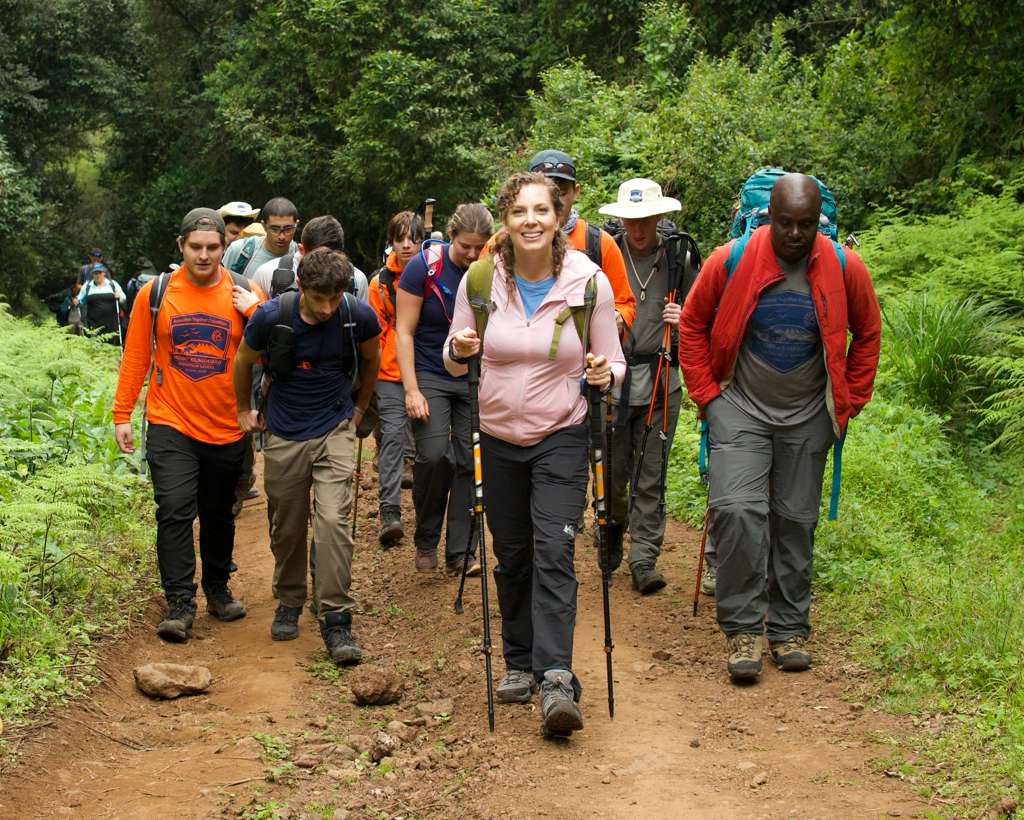
The 66 climbers never became alike. They remained people of different abilities, backgrounds, strengths, beliefs, experiences and definitions of success. Unity did not require erasing those differences. It required finding something important enough to pursue together.
That lesson feels particularly urgent in a world increasingly proficient at identifying what separates us. Kilimanjaro suggested that a common cause can hold profound difference without demanding its disappearance. When people share responsibility for reaching somewhere together, labels begin to lose some of their power.
Eventually, everyone comes down from a mountain. Photographs are taken, equipment is packed away, aching bodies recover and people return to ordinary life. The challenge is making certain the lesson descends with them, because most barriers in our world are not 19,341 feet high. They are a flight of stairs. A classroom designed without considering a particular student. An emergency plan that assumes everyone can run. A workplace that views accessibility as an inconvenience. An invitation never extended because somebody quietly decided, on another person’s behalf, that the answer would probably be no.
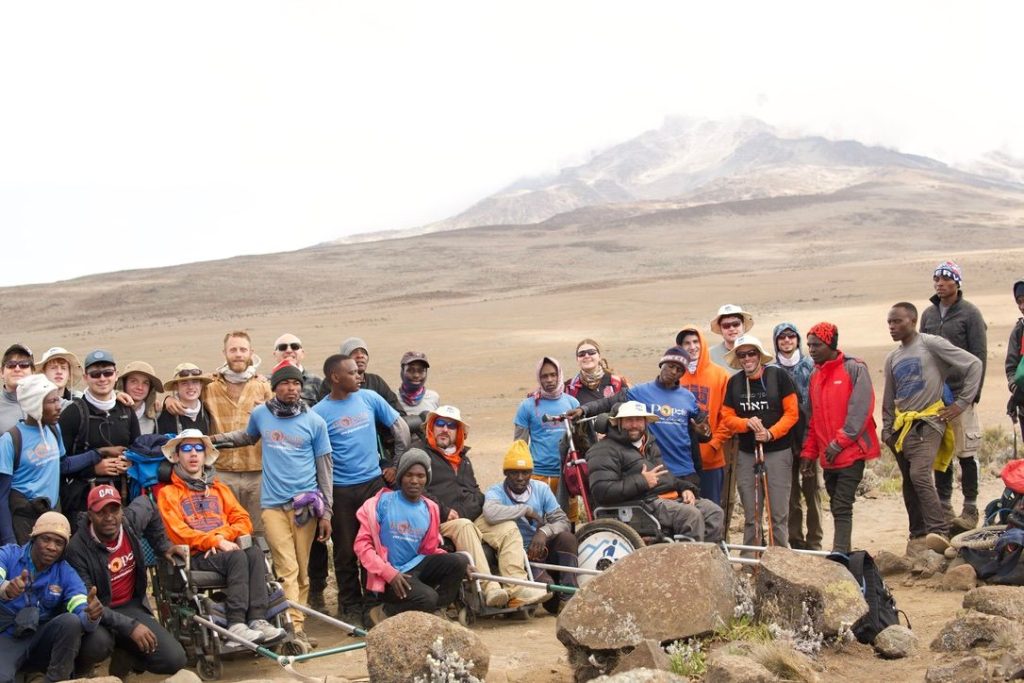
The 66 climbers did not prove that every person can climb every mountain. That would miss the point entirely. They demonstrated something more consequential: we should be extraordinarily careful about deciding another person’s mountain before giving that person the opportunity to approach it.
Kilimanjaro remained exactly as high as it had always been. The rocks did not move. The air did not become thicker and the trail did not become shorter. The mountain lowered nothing.
What changed was who was given the opportunity to challenge it.
Perhaps that is the message worth carrying down from the Roof of Africa. Accessibility is not about making the world less demanding. It is about making sure its opportunities are not unnecessarily denied. Inclusion is not about pretending that everyone is the same. It is about recognizing the value of what each person brings precisely because we are not.
And unity is not achieved when our differences disappear.
It is achieved when, despite those differences, we decide there is something worth climbing toward together.
More Photos
About The Author


SUBSCRIBE TO OUR NEWSLETTER