El Niño’s Double Blow: Drought and Flood Risks Deepen Water and Food Crises Across East Africa
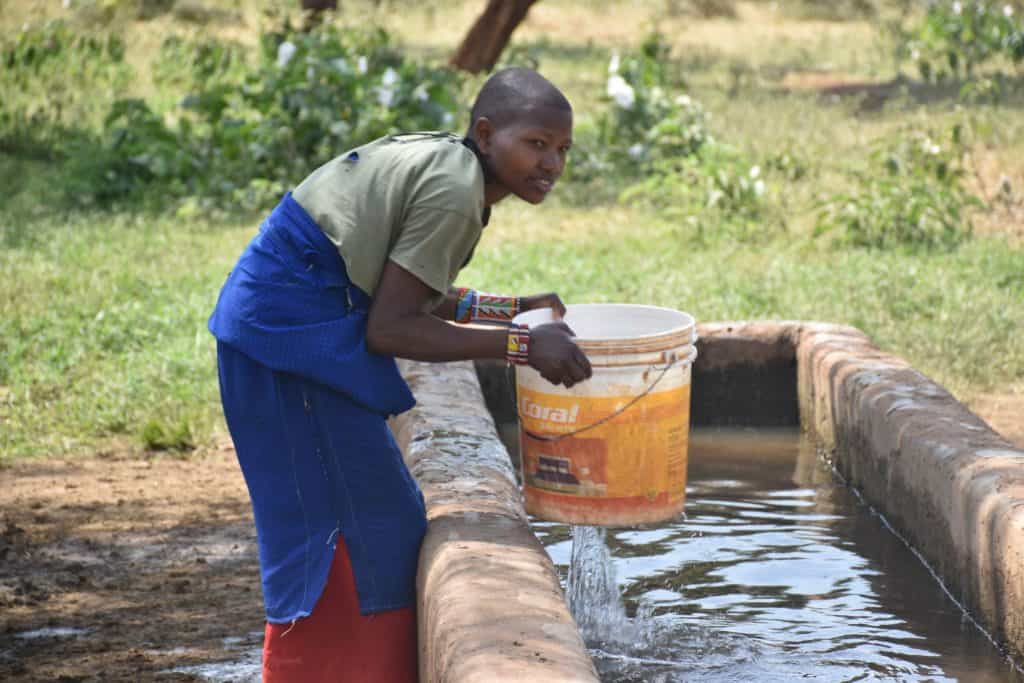
NAIROBI / ADDIS ABABA / MOGADISHU — A rapidly strengthening El Niño is splitting East Africa’s water and food outlook into two extremes: punishing drought across the northern and unimodal zones, and elevated flood risks across the equatorial Horn. With the event already among the strongest on record and projected to persist into early 2027, the region’s fragile water systems, conflict zones, and underfunded humanitarian responses face a compounding crisis that is drawing urgent international appeals.
The World Meteorological Organization has described the 2026–27 El Niño as potentially unprecedented in strength, with Pacific sea-surface temperature anomalies possibly reaching 3.8°C above average. Across Eastern Africa the pattern is classic but severe: suppressed rains in the north during the recent June–September season, followed by enhanced October–December rainfall in southern Ethiopia, Somalia, and northeastern Kenya.
Drought Tightens Its Grip
In war-torn Sudan, the combination of conflict and El Niño-driven dryness has reversed hopes of a better harvest. Data show July–September rainfall as the lowest in more than three decades nationally, and the lowest since the devastating 1984 famine year in North Darfur. Parched conditions are damaging rain-fed crops and livestock that supply much of the country’s food. Projections indicate an additional 350,000 people facing severe hunger by the end of 2026, rising to 1.2 million more by August 2027. Falling Nile levels are further complicating irrigation for Sudanese farmers already squeezed by war and rising costs.
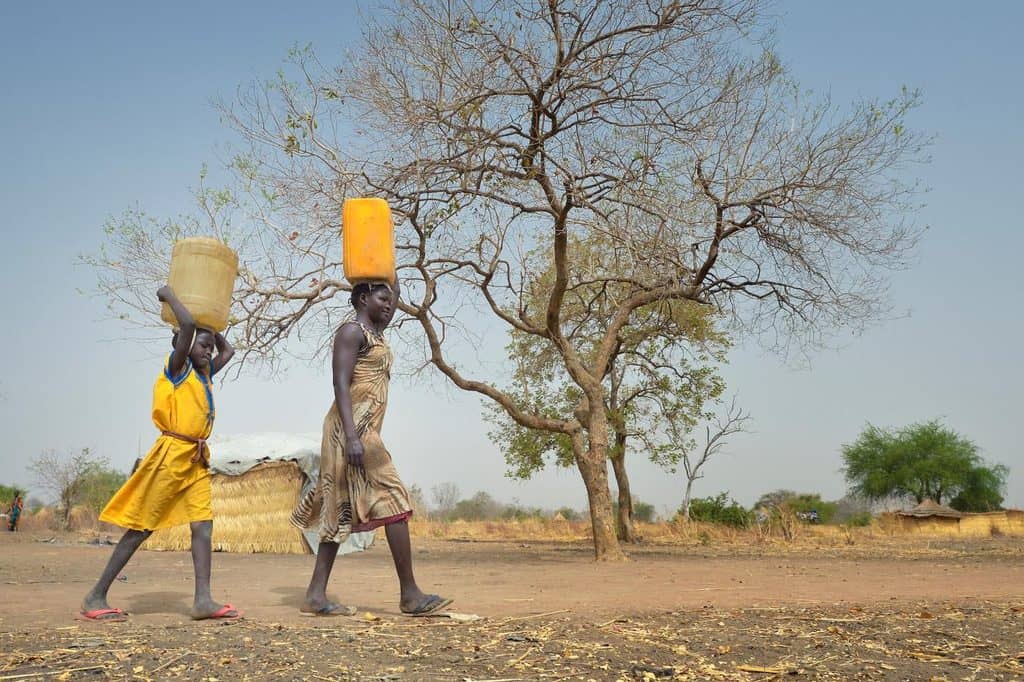
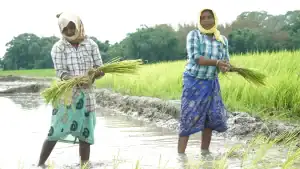
Photo Source: Paul Jeffrey/Life on Earth Pictures
Ethiopia is reporting that an El Niño-linked drought has affected 3.5 million people across six regions after successive failures of the Belg and Kiremt rains. Assessments cite hundreds of thousands of hectares of damaged cropland, dried water points, livestock deaths, and critical shortages in schools and health facilities. In some areas, most community ponds retained no water. A resident of Alitena in Tigray told aid workers, “We have never experienced a drought like this.” Analysis indicates Ethiopia’s June–September rains ranked among the driest on record in many areas, with deficits exceeding 50 percent in places.
Similar rainfall shortfalls have stressed South Sudan’s Sudd wetlands and Uganda’s Karamoja region, where crop losses of 50–70 percent have been reported. Regional figures place more than 40 million people facing high acute food insecurity across several member states—nearly three times the number in 2016—excluding Ethiopia.
From Drought to Deluge in the Horn
The same climate driver is now raising flood alarms farther south. Somalia, which narrowly avoided famine after years of drought, faces a Deyr rainy season that forecasts suggest could be far wetter than normal. Disaster authorities estimate 2.5–3.5 million people could be exposed to flooding, with up to 1 million at risk of further displacement. In 2023 a strong El Niño displaced 1.2 million in Somalia alone. Between October and December, 5.4 million people are projected to face Crisis-level hunger or worse, including nearly 1.5 million at Emergency levels; tens of thousands in places such as Baidoa are already in Catastrophe conditions. Agencies warn that severe flooding, combined with closed nutrition centers (more than 230 shuttered amid funding cuts) and collapsed services, could push vulnerable communities toward famine. One official noted that facilities are closing “not because the need has disappeared, but because the funding has.”
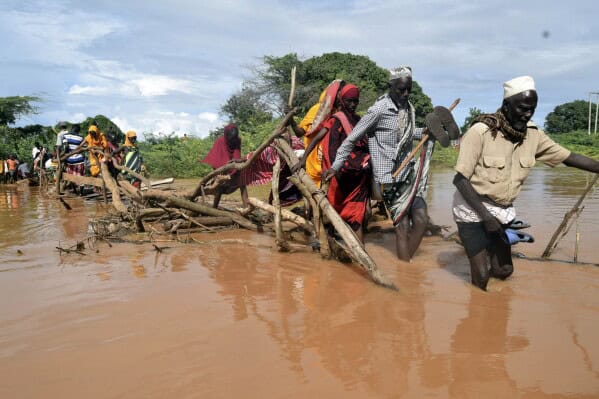
Southern Ethiopia and parts of Kenya are also in the high-probability zone for above-normal October–December rains, which could replenish pastures and reservoirs after drought but also trigger riverine and flash flooding, damage infrastructure, and spread waterborne disease. Kenya has flagged high-risk counties and is preparing its position for the upcoming UN Water Conference, including proposals for increased financing, climate-resilient infrastructure, and the use of AI to improve water management. Non-revenue water losses remain high across the region.
Children and the Wider Global Picture
Estimates indicate that more than 40 million children across Eastern and Southern Africa live in areas expected to experience unusually wet or dry conditions between October and December. Agencies have prioritized Somalia, Ethiopia, and South Sudan for intensified early action and are seeking substantial additional funding to pre-position supplies, support anticipatory cash, and protect water and health systems. Officials have warned that Somalia, Ethiopia, and Kenya need supplies in place before the heaviest rains arrive.
These East African shocks form part of a larger continental and global pattern. Monitoring reports have documented accelerated freshwater decline across arid and semi-arid zones. Analysts have warned that a “super” El Niño could shave 1–2 percent off GDP in the hardest-hit countries—roughly $10–20 billion—while driving higher food prices, migration, and fiscal strain. The dual drought-flood dynamic also complicates regional food markets and hydropower generation, with knock-on effects for neighboring economies and international aid systems already stretched by multiple crises.

Early-warning systems, seasonal forecasts, and calls for anticipatory action give governments and agencies a narrow window. Whether that window is used depends on funding, coordination, and the capacity of water infrastructure that in many places already loses large volumes to leaks and poor maintenance. The shift from drought to deluge is not abstract meteorology—it is a lived sequence for communities that have already exhausted their reserves.
With El Niño expected to peak toward the end of 2026 and its impacts lingering well into 2027, East Africa’s water and food security will remain a central test of both regional resilience and the international response to a climate pattern that is arriving earlier and stronger than many systems were prepared to handle.
About The Author


SUBSCRIBE TO OUR NEWSLETTER