Rwanda calls for affordable, climate-friendly cooling across Africa
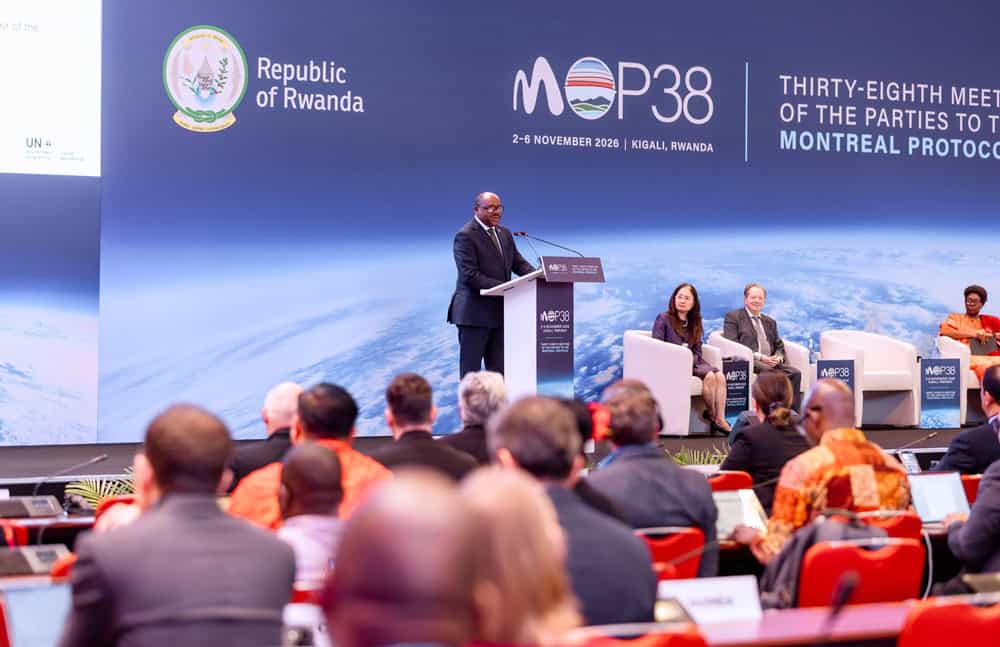
Rwanda has called for greater investment in sustainable cooling infrastructure, skills and technology to make cooling services more accessible and affordable in Africa, as countries mark 10 years since adopting the Kigali Amendment to the Montreal Protocol.
Prime Minister Dr Justin Nsengiyumva said the transition to climate-friendly cooling should go beyond replacing harmful refrigerants with alternatives, arguing that countries must also invest in electricity infrastructure, technical skills and local industries to ensure more people benefit from modern cooling technologies.
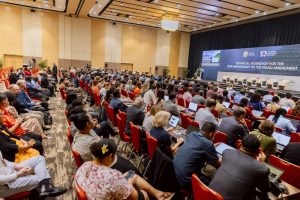
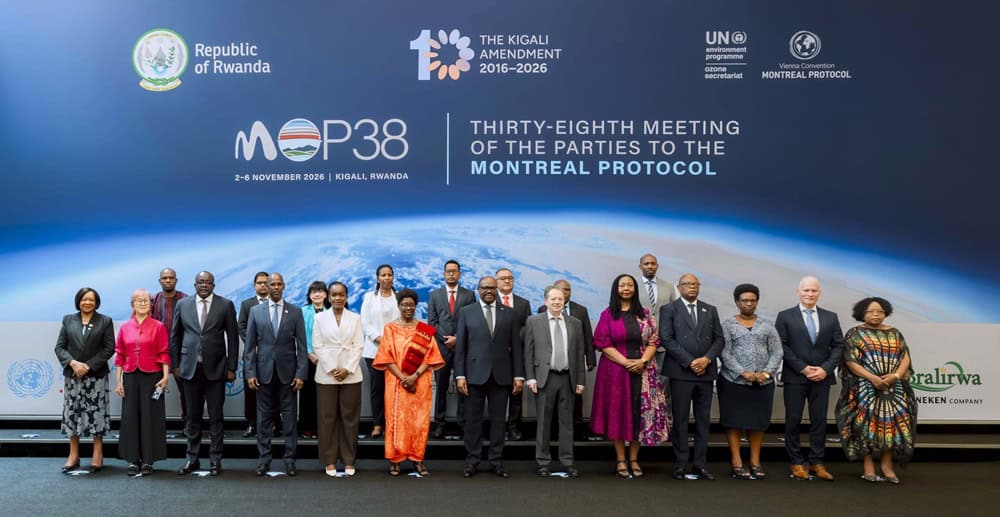
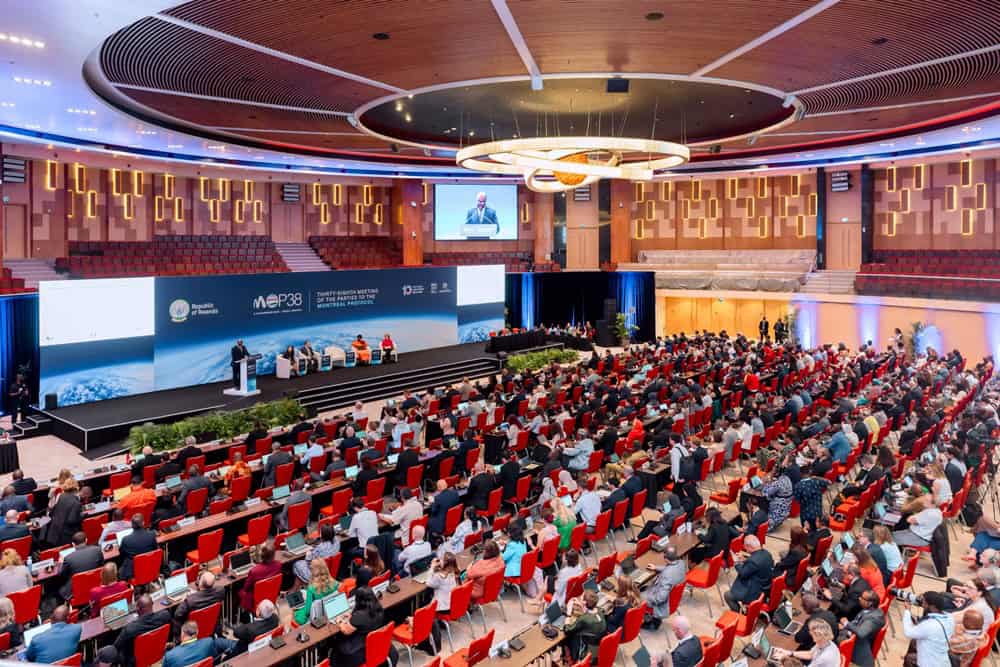
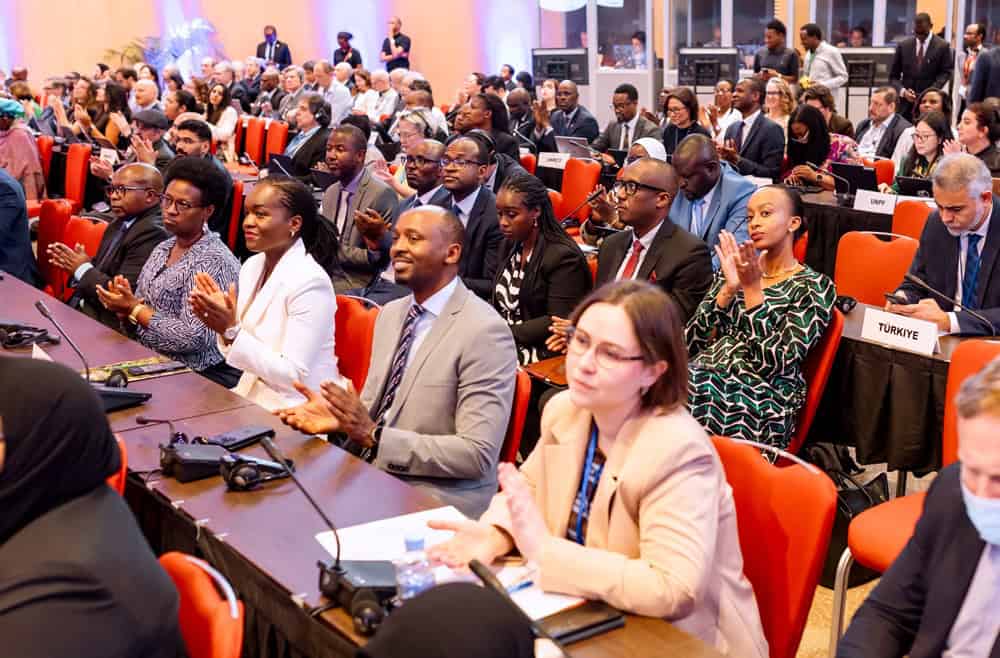
He made the remarks on November 5, while officially opening the High-Level Segment of the 38th Meeting of the Parties to the Montreal Protocol (MOP38) in Kigali.
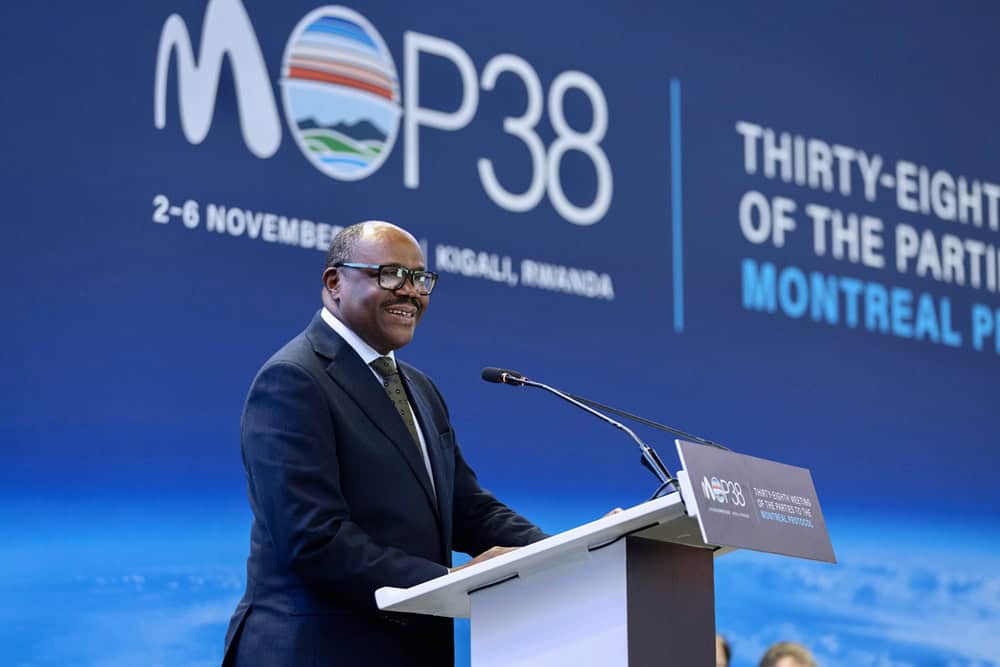
The meeting comes a decade after the adoption of the Kigali Amendment in October 2016, when countries agreed to gradually phase down hydrofluorocarbons (HFCs), powerful greenhouse gases commonly used in refrigeration and air-conditioning systems.
Nsengiyumva said access to cooling has implications beyond comfort, particularly for African countries where electricity access remains limited or unreliable.
“Cooling is not merely a matter of comfort. It is a matter of health, human dignity, economic opportunity, and social resilience,” he said.
He explained that reliable cold storage could help farmers preserve their produce and reach markets instead of losing harvests, while proper cooling systems are essential for keeping vaccines and medicines safe, particularly in remote communities.
He also pointed to the growing threat of extreme heat, saying access to cooling could become a matter of life and death for vulnerable populations.
As demand for cooling increases, the Prime Minister said countries must find ways to expand access without increasing environmental pressure.
“That means this transition must go beyond replacing one technology with another. It must also build the infrastructure. It must develop the skills and nurture the industries that enable countries to fully benefit from sustainable cooling while creating an environment in which innovation can flourish,” he said.
Rwanda is seeking to contribute to this transition through the Africa Centre of Excellence for Sustainable Cooling and Cold Chain, established in the country with a pan-African vision.
The centre brings together research, training, technology development and practical applications aimed at advancing sustainable cooling and cold-chain systems.
Nsengiyumva also called for stronger international partnerships, particularly South-South cooperation, saying developing countries need access to expertise, resources and experience to participate fully in the transition.
His remarks came as the United Nations Environment Programme (UNEP) highlighted progress made since the Kigali Amendment was adopted.
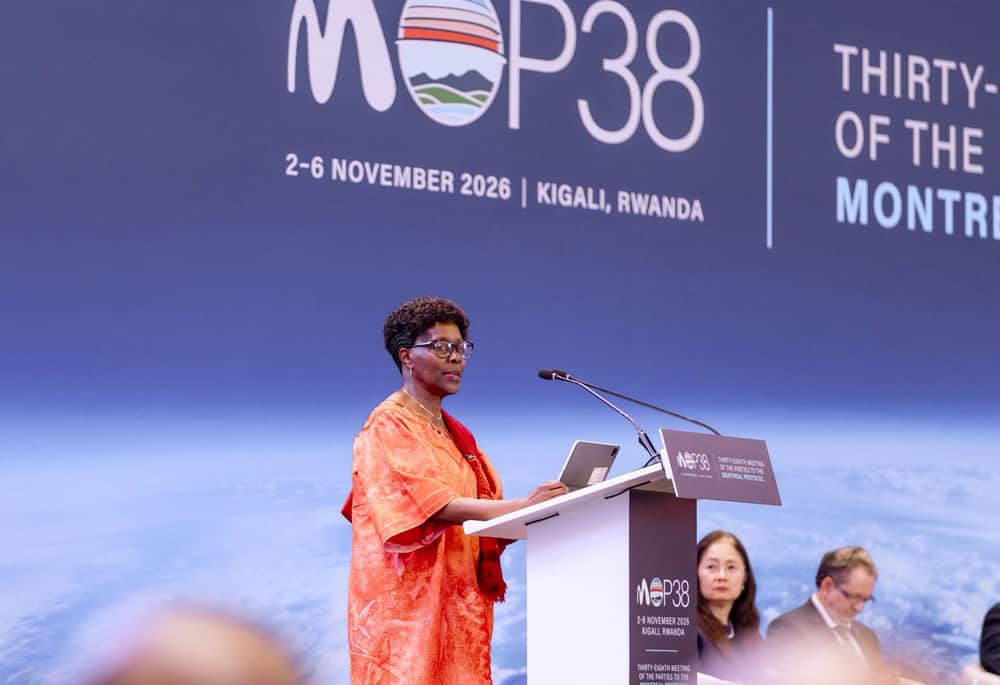
Elizabeth Maruma Mrema, UNEP’s Deputy Executive Director, said the Multilateral Fund established under the Montreal Protocol had supported countries in preparing for the implementation of the amendment through investments in institutional capacity, regulatory frameworks and reporting systems.
She said the fund had approved at least 91 Stage 1 Kigali HFC implementation plans, with the investments already contributing to avoiding more than 78 million tonnes of carbon dioxide-equivalent emissions.
The fund has also supported 127 developing countries in strengthening their capacity to collect, transport and manage used and unwanted controlled substances in an environmentally sound manner.
According to Mrema, the Kigali Amendment had attracted 176 parties and was approaching universal ratification.
She said the agreement demonstrated that environmental protection and economic development could advance together, particularly through investments in climate-friendly technologies and technical capacity.
However, she cautioned that progress would depend on strengthening implementation and ensuring developing countries receive the support required to meet their obligations.
“Cooling is an emerging issue and the Montreal Protocol should be at the centre of that response as it links to the legal commitments with the funding,” she said.
Mrema also called on parties to reach agreement on the replenishment of the Multilateral Fund for the 2027–2029 period, which is expected to support the next phase of implementation.
The negotiations were among the key issues facing delegates at MOP38, alongside discussions on atmospheric monitoring of controlled substances and the future operations of institutions supporting the Montreal Protocol.
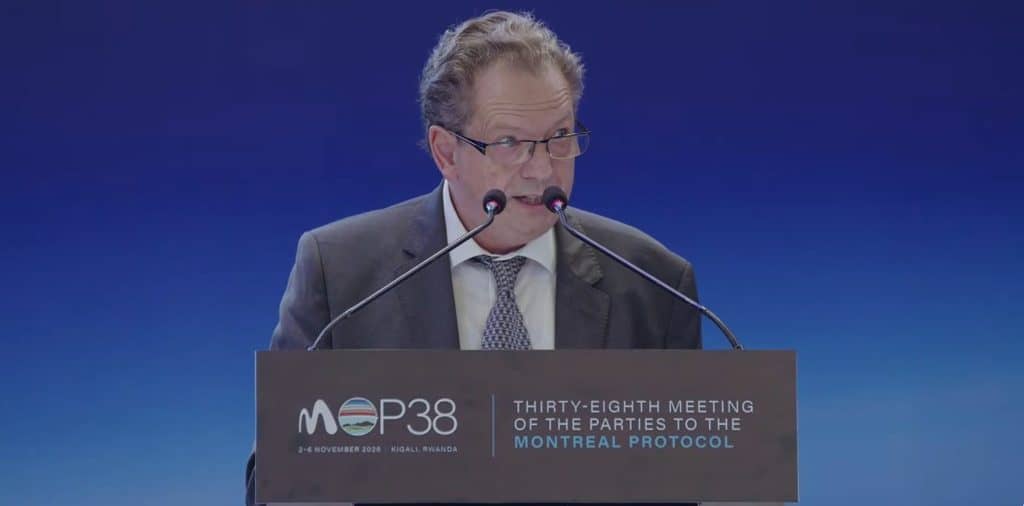
Paul Krajnik, President of MOP37, said parties still had difficult discussions ahead, including negotiations on the funding required for the next three-year period.
He expressed hope that countries would reach agreement through the spirit of trust and mutual understanding that has supported the Montreal Protocol’s work over the years.
The Montreal Protocol, adopted in 1987, is an international agreement designed to protect the ozone layer by phasing out ozone-depleting substances. The Kigali Amendment expanded its climate-related contribution by introducing a gradual phase-down of HFCs.
About The Author


SUBSCRIBE TO OUR NEWSLETTER