The Path to Peace in the Great Lakes Region: A Call for Historical Understanding and Collaborative Solutions

By TOP AFRICA NEWS Editorial Team
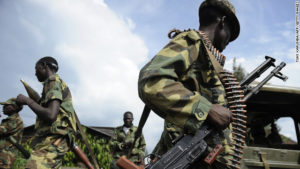
The ongoing conflict in the Great Lakes region of Africa, particularly involving the M23 movement in the Democratic Republic of Congo (DRC), serves as a stark reminder of the intricate web of historical, social, and political factors that continue to fuel discord. The M23, primarily composed of Congolese-speaking Kinyarwanda individuals, has been engaged in a protracted struggle against the Kinshasa government. At the heart of their struggle lies the aspiration for recognition and the right of return for many Banyamulenge families who have languished in refugee camps across Rwanda, Burundi, Uganda, Sudan, and beyond for far too long. To comprehend the present conflict, one must delve into the historical realities shaping the lives of the Regional communities: Banyarwanda, Barundi, Baganda, Banyamulenge, BaCongoman and the systems of exclusion that have persisted in some part of the countries in this Region.
As the dust of liberation settles in the DRC, allegations against Rwanda have quickly emerged, with foreign nations hastily pointing fingers without fully grasping the complex realities of the situation. Rwanda, despite its modest geographic size, demonstrates an unwavering resolve in safeguarding its sovereignty and security. This comes in the wake of its own painful history, marked by discrimination and exclusion, where segments of the population were rendered invisible and denied their fundamental rights. Understanding Rwanda’s historical trajectory is crucial, as it sheds light on how experiences of marginalization can shape national policies and collective memory, eventually spilling over into regional dynamics.
The plight of the Banyamulenge and their longing for a return to their ancestral lands in the DRC underscores the urgent need for nuanced dialogue and understanding. Rather than simply attributing blame, it is essential to address the root causes of the conflict by revisiting the colonial legacies that facilitated divisions among communities. Historical injustices and the policies instituted by colonial powers, particularly Belgium, have left scars that continue to hinder reconciliation efforts in the region. Recognizing this past is vital not only for healing but also for realigning international responses to the ongoing issues.
Belgium’s historical role in the region cannot be understated; its colonial policies contributed significantly to the fragmentation of communities and fostered hostilities that persist to this day. However, Belgium’s current posture, often characterized by a reluctance to confront its past misdeeds and a tendency to favor the mineral-rich interests of the DRC, has further alienated it from being seen as a potential problem solver. This sideline approach stands in stark contrast to the proactive regional collaboration necessary for sustainable peace, emphasizing the need for a paradigm shift in Belgium’s engagement with the Great Lakes region.
In this context, Rwanda and African Union (AU) countries emerge as pivotal players in addressing the challenges facing the region. These nations are well-positioned to champion policies that promote free movement and economic collaboration, unencumbered by the meddling of external powers. Their collective experiences and strategic interests align in fostering a regional framework that emphasizes unity, security, and development—core tenets that underpin lasting peace. By prioritizing African-led initiatives, the region can nurture a holistic approach to resolving conflicts while enhancing cooperation among neighboring countries.
The time has come for all stakeholders, including Belgium, to recognize that maintaining a passive role will only perpetuate divisions and hinder progress. Instead of dictating terms or imposing solutions, it is essential for external actors to support the agency and aspirations of African nations. Acknowledging the need for self-determination and regional autonomy is critical for cultivating a future where dignity, rights, and opportunities are accessible to all across the continent.
As we look toward a collaborative future, initiatives like the African Continental Free Trade Area (AfCFTA) provide platforms for economic cooperation, while tourism and cultural exchanges can strengthen ties among nations. By championing free movement and mutual respect among neighboring countries, policymakers can work towards creating an integrated region that emphasizes common interests and shared prosperity.
In conclusion, the road to peace and stability in the Great Lakes region begins with an earnest reflection on historical injustices, a resolute commitment to regional leadership, and an inclusive dialogue that empowers communities. Both the DRC, its neighbors, Westerners must prioritize diplomacy over suppremacy. The future of the Great Lakes region rests not only in the hands of its peoples but also in the recognition that their fates are best dictated by themselves. A brighter future awaits if we collectively resolve to embrace collaboration, understanding, and the dignity of every individual.
About The Author


SUBSCRIBE TO OUR NEWSLETTER