Global Push to Make Streets Safer for Walkers and Cyclists as Deaths Climb

As the 8th United Nations Global Road Safety Week kicks off under the theme “Make walking and cycling safe,” the World Health Organization (WHO) is calling for urgent action to improve safety for the world’s most vulnerable road users. The campaign aims to reduce the annual death toll on roads by making walking and cycling viable, safe options for all.
Each year, nearly 1.2 million people are killed in road traffic crashes — and more than a quarter of those deaths involve pedestrians and cyclists. Despite this, only 0.2% of global roads are equipped with cycle lanes, and many communities still lack basic pedestrian infrastructure such as sidewalks or safe crossings.
“Walking and cycling improve health and make cities more sustainable. Every step and every ride help to cut congestion, air pollution and disease,” said Dr. Tedros Adhanom Ghebreyesus, WHO Director-General. “But we must make walking and cycling safe, so more people choose these healthier, greener options.”
To support governments in this effort, WHO has launched a new toolkit offering practical, evidence-based guidance for promoting active mobility. The resource is intended for policymakers, urban planners, public health officials, and civil society organizations, providing a roadmap to build safer, more accessible transport systems.
Key recommendations from the toolkit include:
- Integrating walking and cycling into national transport, health, environmental, and education policies;
- Building safe infrastructure such as sidewalks, pedestrian crossings, and protected bike lanes;
- Setting and enforcing lower speed limits in line with global best practices;
- Running public awareness campaigns to encourage safe road use; and
- Using financial incentives to promote active mobility.
While global data shows a slight decline in pedestrian deaths and a plateau in cyclist fatalities between 2011 and 2021, regional trends are cause for alarm:
- In the WHO South-East Asia Region, pedestrian deaths rose by 42%.
- In the European Region, cyclist deaths surged by 50%.
- In the Western Pacific Region, cyclist deaths increased by a staggering 88%.
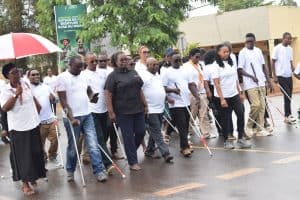
WHO is collaborating with governments and civil society groups around the world this week to push for systemic changes. The Global Alliance of NGOs for Road Safety, representing over 400 organizations in 100 countries, is leading grassroots efforts to advocate for safer roads.
“It is urgent to make, what should be our most natural means of transport, safer,” said Etienne Krug, Director of WHO’s Department for the Social Determinants of Health. “This is paramount not only for road safety but also for health, equity, and the climate. We’re calling on all sectors — transport, health, education, and beyond — to make walking and cycling safe and accessible for everyone.”
As cities grow and climate concerns intensify, the need for active, low-emission transport options is greater than ever. WHO’s message is clear: safer streets can save lives — and build healthier, more sustainable communities for all.
About The Author


SUBSCRIBE TO OUR NEWSLETTER