Inside Solid Africa’s Conservation Agriculture, Green Transport, and Clean Cooking
Low-income patients in Kigali hospitals no longer rely on their families to bring them meals–Solid Africa now provides them through its charitable work. All of the organization’s activities are environmentally friendly through their approach known as “From Farm to Plate.”
Solid Africa began delivering meals to hospital patients in 2010, initially preparing food at home and transporting it in plastic containers. Over time, the organization expanded its operations and now runs professional kitchens. Today, its work extends beyond hospitals, supplying nutritious meals to schools through the School Feeding Program.
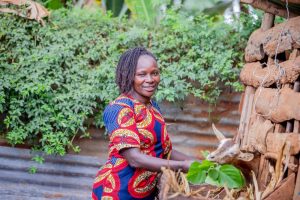
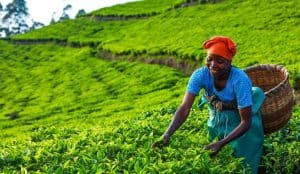
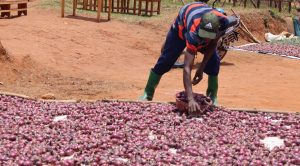
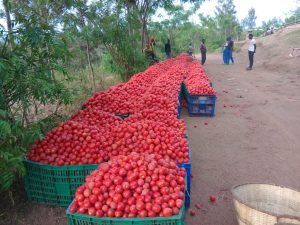
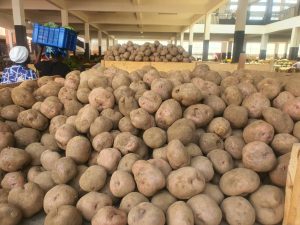
To ensure food quality, Solid Africa has ventured into farming. Since it cannot meet demand alone, it partners with more than 4,500 farmer cooperatives nationwide, particularly in Nyagatare, Rulindo, and Rubavu districts.
“The people we feed are children and hospital patients–vulnerable groups. You can’t just give them any kind of food. Our leadership insists on growing what we serve them. For example, we avoid industrial fertilizers because of their harmful health effects,” explained Dr. Fred Kwizera, Program Manager for Sustainable Agriculture at Solid Africa.
Conservation Agriculture
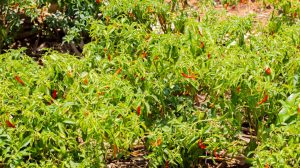
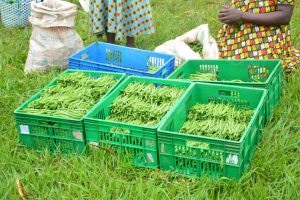
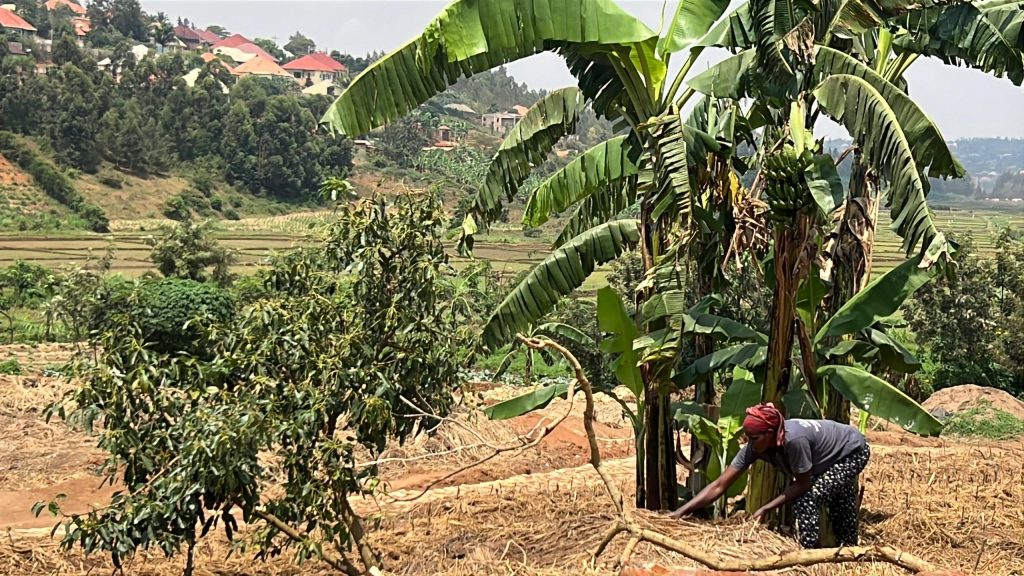
At Rugende Farm in Rwamagana District, where Solid Africa cultivates nine hectares of rice and vegetables, farm manager Dusabimana Jean Baptiste emphasizes the use of natural methods.
“Chemical fertilizers and pesticides harm human health and future generations. That’s why we rely on organic manure and natural pest control,” he said.

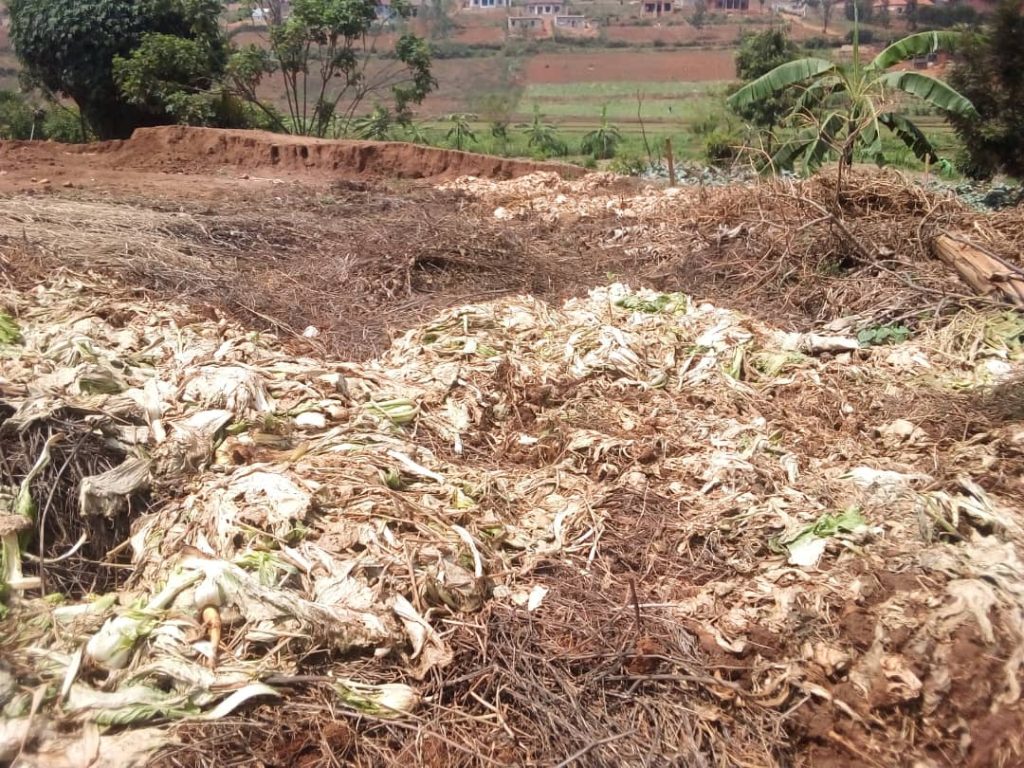
Through the Zero Waste program, leftover food from hospital meals is collected, composted with grass, and transformed into organic fertilizer within three months, then reused on the farm. “Organic manure enriches the soil and lasts longer, while chemical fertilizers only benefit crops for one season,” Dusabimana added.
The farm also practices minimum tillage, a conservation method that reduces soil disturbance by limiting cultivation to planting stations while leaving crop residues on the surface. This improves soil structure, retains water, lowers fuel and labor costs, and gradually increases yields.
Solid Africa also plants mixed crops, fruit trees, and lemongrass along field boundaries, which naturally repels pests.
Highlighting broader challenges, Dr. Kwizera noted: “One of the biggest global threats to agriculture is soil erosion, which damages arable land and rising temperature that undermine food security.”
To adapt, the farm channels runoff water to irrigate fields, plants shade trees to protect crops, and diversifies production with intercropping to increase yields.
Lessons for Other Farmers
According to Dr. Kwizera, Solid Africa’s practices are not only effective but also replicable:
“Since we work with cooperatives, these techniques can be adopted elsewhere. We work with over 4,500 farmers, and last season their yields increased by 40% thanks to our training. We aim to become a center of excellence, showing that organic farming without synthetic fertilizers is possible and productive.”
Green Transport and Clean Cooking
Solid Africa’s commitment to sustainability extends beyond farming. In Rusororo Sector, its central kitchen prepares 20,000–25,000 meals daily for patients and students.
Operations Manager Alex Rusagara explained that produce is transported from farms to kitchens using electric vehicles, reducing emissions.
“In our kitchens, we rely exclusively on LPG gas–never electricity, firewood, or charcoal. This means no smoke and no air pollution,” Rusagara said.
Looking ahead, the organization plans to launch a solar-powered school feeding kitchen in Rwamagana District, marking another step toward providing healthy meals while protecting the environment.




About The Author


SUBSCRIBE TO OUR NEWSLETTER